

Top Highlights
-
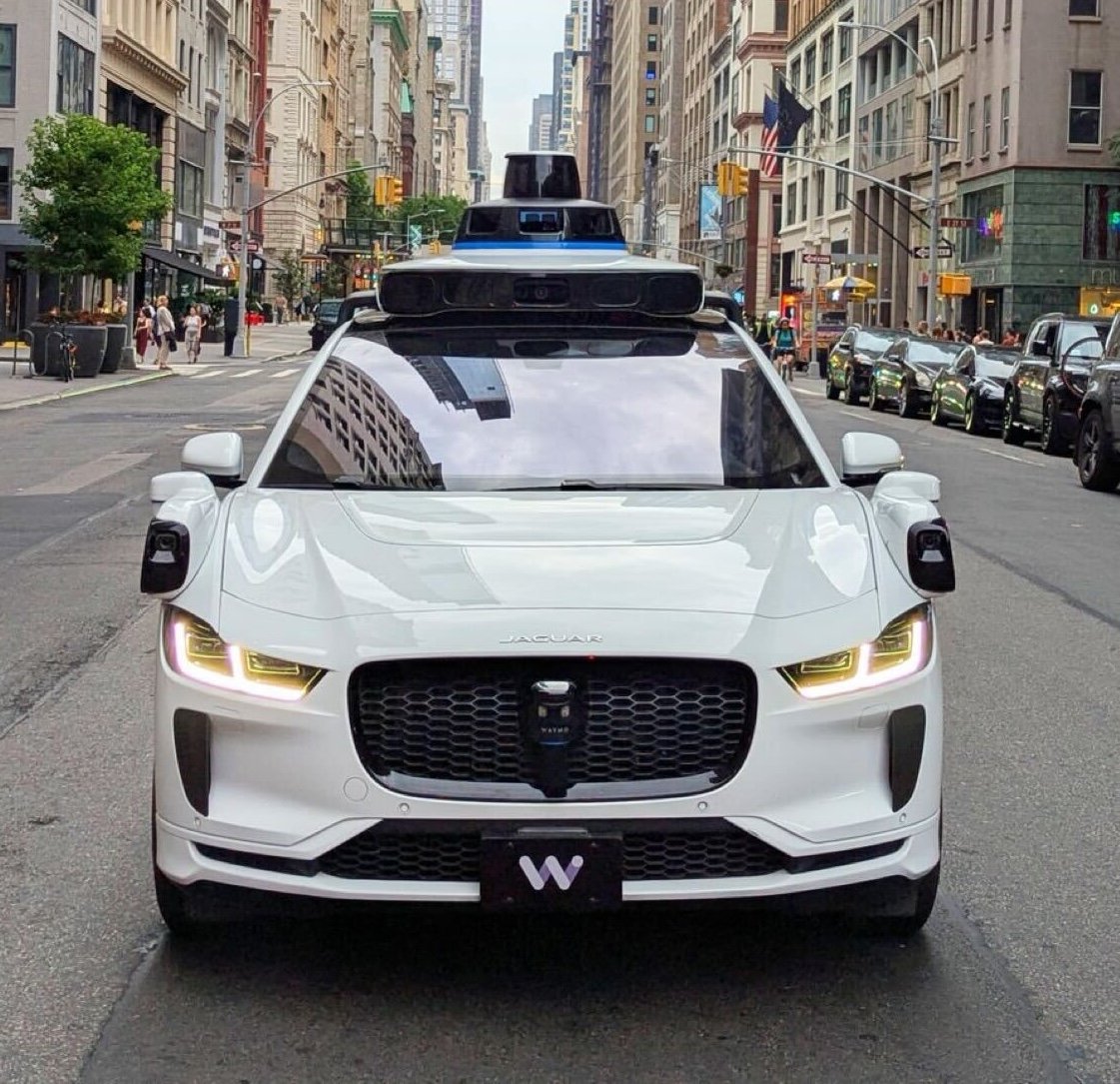
Permit Extension: NYC regulators have extended Waymo’s autonomous vehicle testing permit through the end of the year, allowing tests with human safety operators in Manhattan and Downtown Brooklyn.
-
Limited Operations: Waymo can deploy up to eight Jaguar I-Pace vehicles, with drivers exempt from New York’s one-hand-on-the-wheel rule, but still cannot carry passengers or provide commercial services without further licensing.
-
Expansion Plans: Waymo aims to become the first AV company to launch a robotaxi service in NYC, building on its existing commercial operations in other cities like San Francisco and Los Angeles.
-
Regulatory Hurdles: Testing in NYC faces challenges, including the lack of a permitting structure for fully driverless operations and ongoing efforts to legislate a framework for autonomous vehicle deployment.
Waymo’s Extended Journey in NYC
Waymo’s recent permit extension allows the company to continue testing its autonomous vehicles in New York City until the end of 2025. Initially granted in August, this extension keeps the same terms. Waymo can deploy up to eight Jaguar I-Pace vehicles in Manhattan and Downtown Brooklyn. Importantly, a human safety operator will sit behind the wheel during these tests. This flexibility permits the operator to focus on overseeing the vehicle without adhering to New York’s strict rules about keeping one hand on the steering wheel at all times.
Moreover, this extension signals a significant milestone for both Waymo and New Yorkers. Many view this testing as a step toward a potential future where robotaxis could become a common mode of transport. Officials emphasize the advantages of autonomous vehicles. They point to improved safety, reduced congestion, and expanded mobility as primary benefits. New York City serves as an ideal testing ground, given its chaotic streets that challenge even the most skilled drivers.
Challenges Ahead for Widespread Adoption
Despite the progress, significant hurdles still remain. Waymo cannot carry passengers or operate as a commercial service without additional permits from the city’s Taxi and Limousine Commission. Furthermore, current regulations mandate that a human safety driver must always supervise testing. While legislation for fully driverless operations is under consideration, it has not yet been passed into law.
These obstacles highlight the delicate balance between innovation and regulation. While the promise of driverless technology is exciting, the need for comprehensive safety measures remains paramount. As Waymo navigates its challenges, the future of robotaxis in NYC will depend on collaboration between tech companies and city regulators. Only time will tell how this technology can contribute meaningfully to our urban landscape.
Continue Your Tech Journey
Learn how the Internet of Things (IoT) is transforming everyday life.
Explore past and present digital transformations on the Internet Archive.
TechV1
