

Quick Takeaways
-
Launch Scrubbed: Blue Origin postponed the New Glenn rocket launch carrying NASA’s Mars ESCAPADE probes due to adverse weather conditions, with the next attempt scheduled for November 12.
-
FAA Restrictions: An upcoming federal restriction on commercial spaceflights, due to a government shutdown, adds complexity to launch scheduling, requiring collaboration with the FAA.
-
Mission Details: The ESCAPADE mission, designed to study Mars’ atmospheric loss, is NASA’s first Red Planet mission in five years, with costs under $80 million and involvement from UC Berkeley.
-
Reusable Rocket Goals: Blue Origin aims to successfully land the New Glenn’s first stage on a barge in the Atlantic, reinforcing its objectives for commercial satellite launches and future lunar missions.
Blue Origin Launch of NASA Mars Probes Delayed by Weather; Next Try Set for Nov. 12
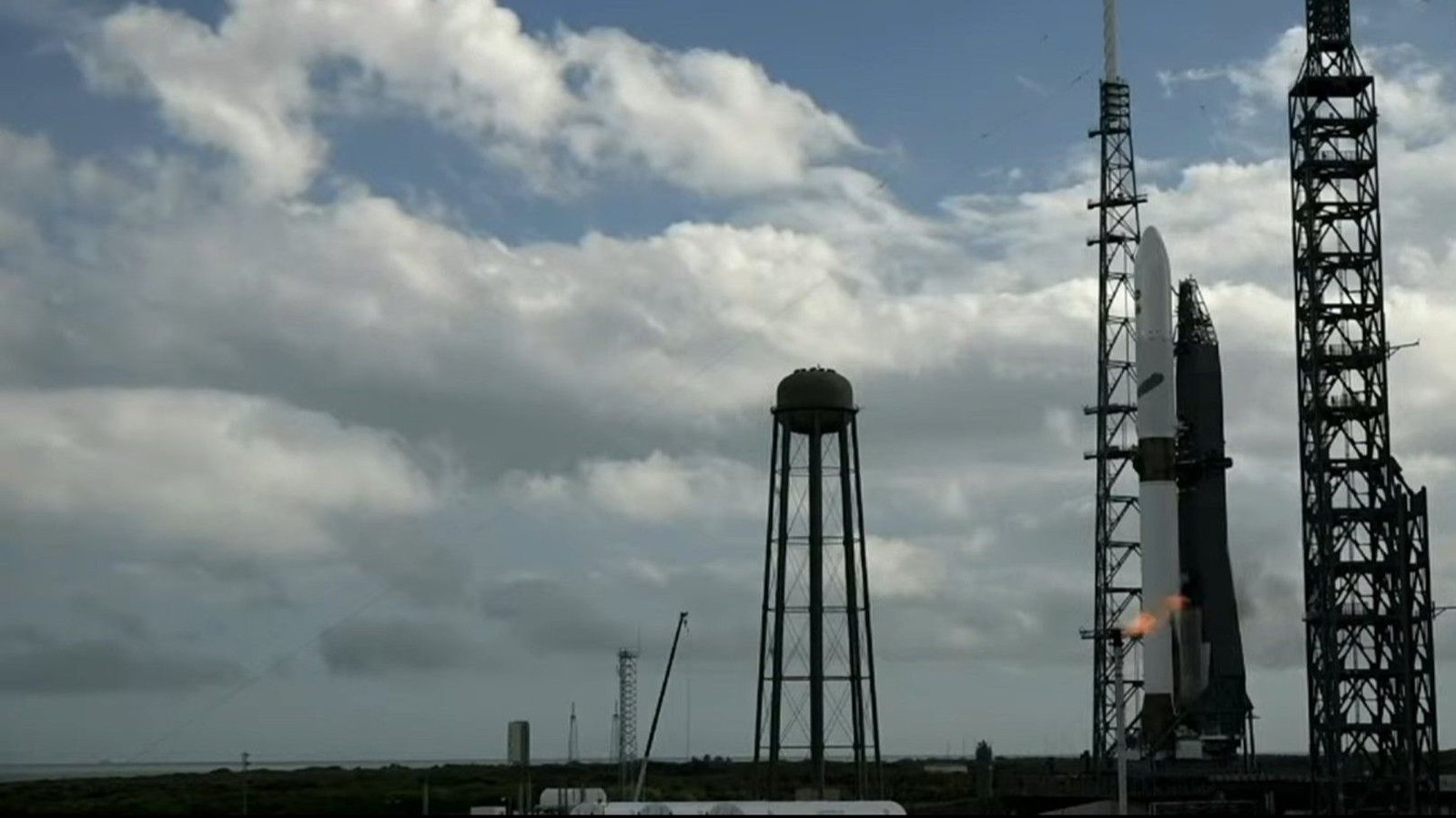
CAPE CANAVERAL, Fla. — Blue Origin has postponed the launch of its New Glenn rocket, which carries twin NASA Mars probes. The launch was scheduled for Nov. 9 but faced challenges due to adverse weather conditions. Specifically, thick clouds and stormy weather prevented a launch attempt at the Cape Canaveral Space Force Station.
Blue Origin spokesperson Tabitha Lipkin stated, “Today’s NG-2 launch is scrubbed due to weather, specifically the cumulus cloud rule.” The rocket was set to carry NASA’s ESCAPADE orbiters, a mission designed to study the Martian environment.
Despite the setback, Blue Origin remains optimistic. The company plans the next attempt on Wednesday, Nov. 12. The window for this launch will be from 2:50 PM to 4:17 PM EST. Viewers can watch the livestream approximately 20 minutes before liftoff on Space.com.
As the launch was delayed, Blue Origin worked closely with the Federal Aviation Administration (FAA) to navigate new federal restrictions on commercial spaceflights. These measures, linked to a government shutdown, are aimed at easing workloads for air traffic controllers. Blue Origin plans to adhere to all safety requirements while pursuing its mission goals.
The ESCAPADE mission, which stands for Escape and Plasma Acceleration and Dynamics Explorers, aims to uncover how solar winds have impacted Mars’ atmosphere. The project comes at a relatively low cost of under $80 million, showcasing advancements in efficient space exploration.
The New Glenn rocket, at 321 feet tall, features a reusable first stage intended for multiple missions. This innovative approach represents a significant improvement in launch technology. Blue Origin aspires to use New Glenn for both commercial satellite launches and future crewed missions to the moon.
As anticipation builds for the rescheduled launch, innovations in space technology continue to enhance understanding of our solar system. Each mission brings humanity one step closer to unraveling the mysteries of Mars and beyond.
Expand Your Tech Knowledge
Learn how the Internet of Things (IoT) is transforming everyday life.
Explore past and present digital transformations on the Internet Archive.
SciV1
