

Essential Insights
- Last summer in the U.S. was the hottest in 132 years recorded.
- Temperatures rose 3°F above average, breaking previous records significantly.
- The summer was also extremely dry, with over half the country in drought.
- Climate change amplifies these extreme weather events, worsening natural disasters.
The Record Breaker: A Summer of Unprecedented Heat
If this past summer felt oppressively hot, you’re not alone. It has been confirmed: 2026 was the hottest summer on record in the United States. This marks the first time in at least 132 years that summer temperatures reached such levels. Overall, temperatures soared to approximately 3°F (1.67°C) above the long-term average. This surpasses the previous record, set in 2021, which was only 0.4°F (0.22°C) above average, according to the National Oceanic and Atmospheric Administration (NOAA). August, specifically, set new highs for heat — the hottest August ever recorded in the U.S.
This seasonal heatwave blanketed nearly the entire contiguous U.S. from June through August. Temperatures hit record highs in many regions, especially the Southwest, southern Rockies, and parts of Florida and California. The summer’s extreme heat wasn’t just a matter of numbers; it had significant impacts across the country. Most notably, it was also one of the driest summers in decades, with more than half of the country experiencing drought conditions by September. Adding to the unpredictability, the season experienced both extreme dryness and heavy rainfall in different areas, demonstrating how volatile U.S. weather patterns can be during such periods.
Extreme Weather and Its Widespread Effects
Digging deeper, the full summer averaged 74.4°F (23.5°C), which is notably higher than normal. August’s average was 75.6°F (24.2°C), or about 3.5°F (1.94°C) above typical. Some states felt the heat more intensely; California, Nevada, Colorado, Florida, New Mexico, and the southern Plains experienced particularly high temperatures in August.
The precipitation story was equally striking. Overall, the summer had about 0.32 inches (0.8 cm) less rain than usual, making it the third-driest summer since 2000. By September 1, over 59% of the U.S. land mass was in drought. The West, Midwest, and Deep South saw significant dry spells, with Puerto Rico also heavily affected—over 75% was in drought, with some areas in “extreme drought.” Projections suggest that many drought conditions will persist, increasing the risk of wildfires and other natural disasters.
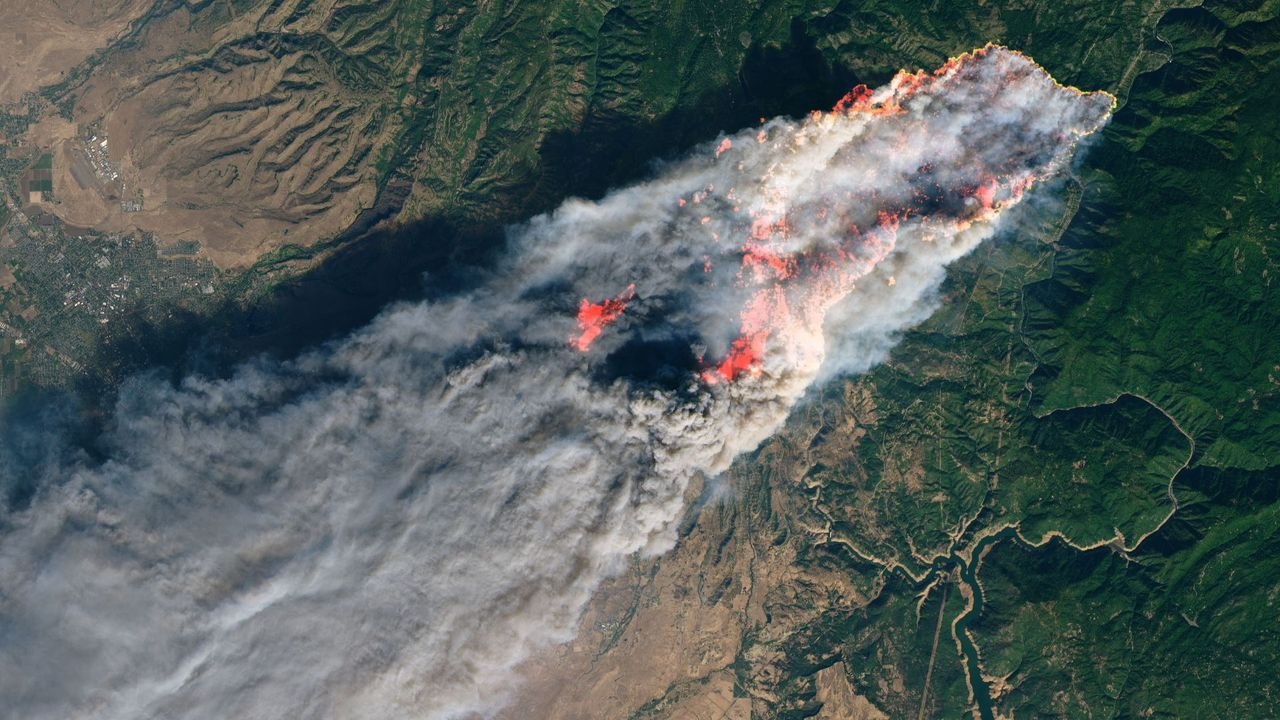
This extreme weather came with serious consequences. Fires burned across more than 10,000 acres in eastern Washington, spreading into Oregon. Nevada and Alaska also suffered wildfires. Winds up to 111 mph (178.6 km/h) tore through South Dakota, causing damage and raising fire risk. South Florida experienced a brutal heatwave, while Hurricane Lala brought heavy rain, flooding, and strong winds to Hawaii. These events highlight how climate change is fueling more intense and unpredictable weather.
The ongoing rise in temperatures and extreme weather patterns reflect a broader reality. Human activities—mainly burning fossil fuels—are accelerating climate change, leading to higher global and regional temperatures. This trend is not just about hot summers; it influences sea levels, glaciers, and ecosystems worldwide. Extreme events like hurricanes, wildfires, and flooding are becoming more severe and more frequent.
While technology and policy can help mitigate some impacts, the challenge remains vast. Understanding the reality of a record-breaking summer like 2026 emphasizes the urgent need for resilience, adaptation, and action to address the causes of climate change and its consequences.
Stay Ahead with the Latest Tech Trends
Stay informed on the revolutionary breakthroughs in Quantum Computing research.
Access comprehensive resources on technology by visiting Wikipedia.
Space
