

Summary Points
-
Advanced Simulation Capabilities: The Lunar Environment Structural Test Rig (LESTR) simulates lunar night conditions with temperatures from 40 K to 125 K in a vacuum, providing essential testing for materials and hardware for Moon and Mars missions.
-
Innovative Testing Methodology: LESTR departs from traditional fluid-immersion methods, utilizing a cryocooler to maintain precise thermal control without liquid cryogens, ensuring accurate environmental replication.
-
Comprehensive Support for Diverse Applications: With capabilities for static and dynamic testing of various components (from rover wheels to spacesuits), LESTR is key for assessing materials and technologies for NASA’s Artemis missions and beyond.
-
High-Precision Features: LESTR offers a dry cryogenic testing environment, integrated strain measurement, and supports high-frequency cycling, making it ideal for rigorous evaluations of materials under lunar-like conditions.
NASA’s Lunar Environment Test Rig Enhances Space Exploration
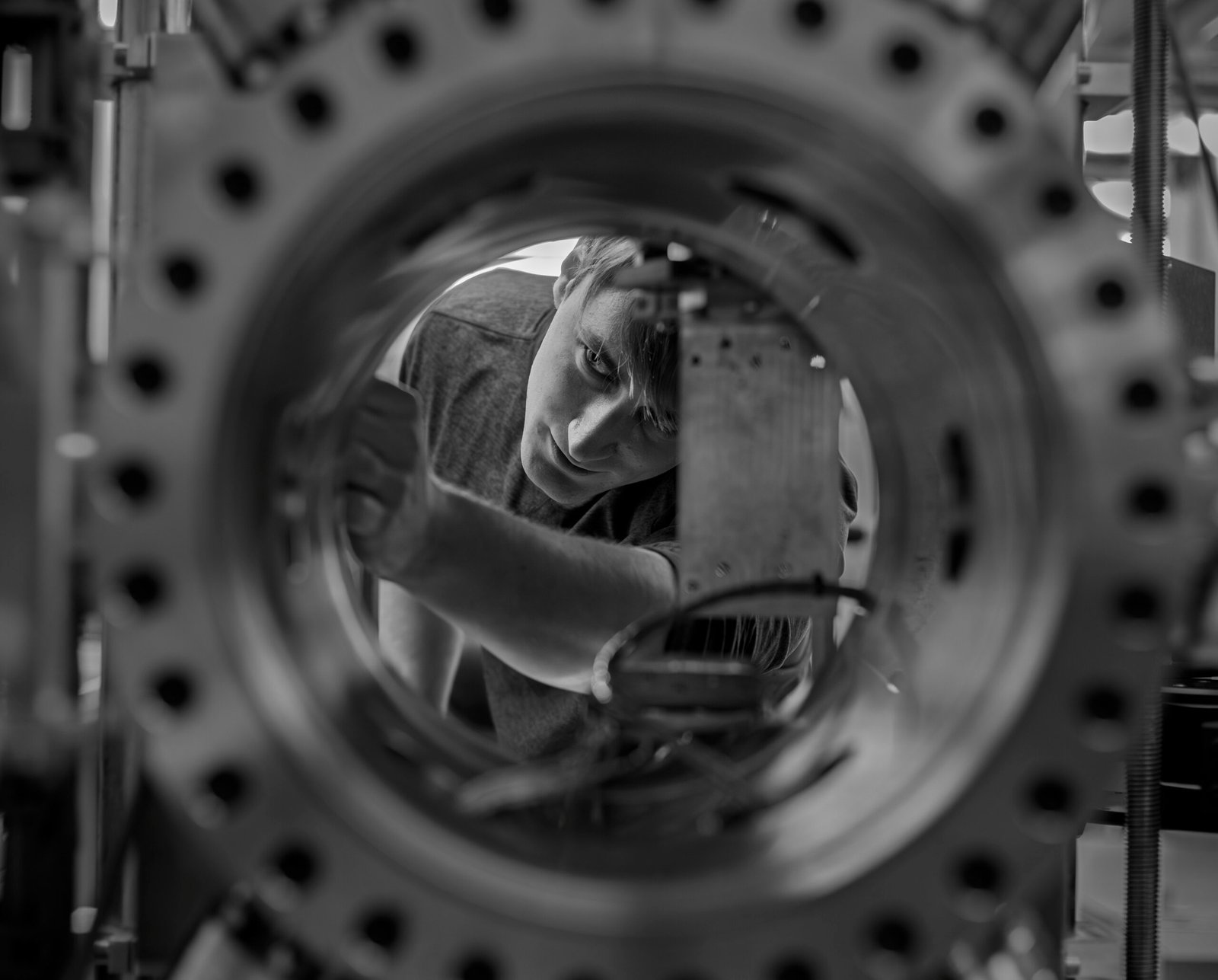
NASA recently unveiled the Lunar Environment Structural Test Rig (LESTR), a groundbreaking tool for simulating the lunar night’s extreme conditions. As temperatures on the Moon can plunge to as low as 40 Kelvin (K), LESTR enables engineers to test materials and hardware under these harsh circumstances.
This innovative rig operates within a vacuum environment, rejecting heat through a cryocooler. Consequently, it avoids traditional methods that rely on liquid cryogens. By using a high vacuum system, LESTR provides a cost-effective and efficient testing solution. Moreover, it supports a range of components, from electronics to rover wheels, ensuring thorough preparation for future missions to the Moon and Mars.
LESTR’s modular design allows for diverse testing applications. Engineers can evaluate the durability of spacesuits or assess the performance of shock absorbers in rover systems. The rig features a precision “dial-a-temperature” control, facilitating exact thermal settings. Therefore, scientists can conduct accurate assessments of how various materials behave in conditions similar to those on the lunar surface.
Additionally, LESTR’s capabilities extend to fatigue and fracture testing, helping ensure reliability in mission-critical components. With a load capacity of approximately 10 kN, it accommodates extensive testing scenarios, including static and dynamic evaluations.
Located at NASA’s Glenn Research Center in Cleveland, LESTR stands as a key asset in advancing technology for upcoming Artemis missions. By fostering innovations in materials and systems, this testing rig not only propels space exploration forward but also enhances our understanding of engineering principles in extreme environments.
As humanity sets its sights on the Moon and Mars, tools like LESTR prove essential. They provide engineers with the necessary resources to ensure that the technology we send beyond Earth is capable of thriving in the challenges that await. This advancement speaks to the bright future of space exploration, where scientific and engineering excellence will pave the way for new discoveries.
Continue Your Tech Journey
Explore the future of technology with our detailed insights on Artificial Intelligence.
Discover archived knowledge and digital history on the Internet Archive.
SciV1
