

Essential Insights
-
Telehealth Offers Convenience: Quick access to medical care from home is a major advantage, especially for straightforward conditions like erectile dysfunction or hair loss.
-
Limitations Exist: Telehealth cannot replace in-person exams for physical conditions or complicated cases, where a doctor’s assessment is crucial.
-
Specialized Care Comes with Trade-offs: While telehealth provides specialist access, it often lacks comprehensive care, necessitating follow-ups with a primary care provider for other health issues.
-
Cost Considerations Are Key: Telehealth can save money but may lead to higher costs if initial visits don’t utilize existing patient-doctor relationships and if platforms don’t accept insurance.
Assessing Telehealth: Convenience vs. Connection
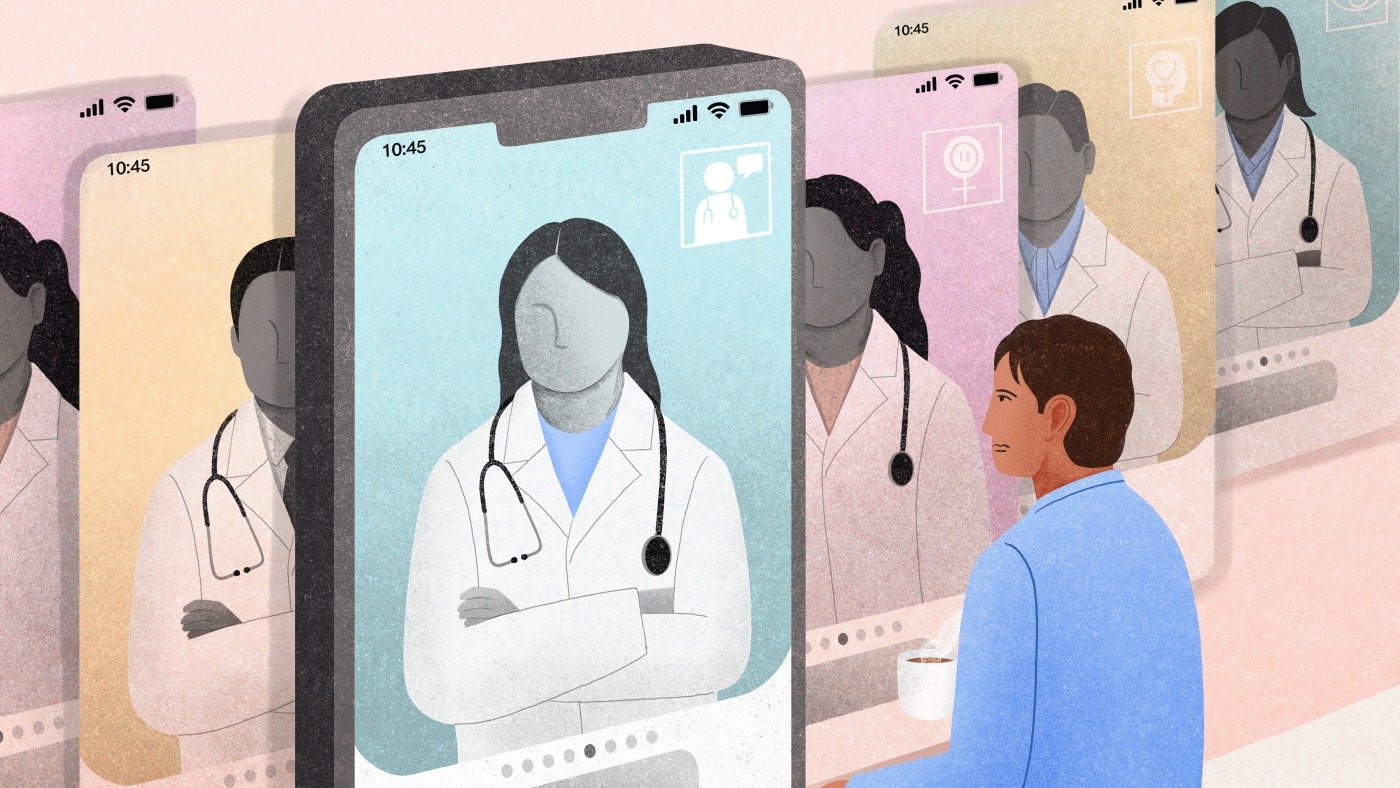
Telehealth offers undeniable convenience. You can schedule a visit within minutes from the comfort of your home, even in pajamas. This service, especially popular since the pandemic, provides rapid access to healthcare. For straightforward conditions like erectile dysfunction or hair loss, telehealth shines. You fill out a form and receive medication without an extensive dialogue. However, caution is necessary. Unpredictable costs can arise, and not all conditions suit remote evaluation. Real-life visits facilitate deeper understanding through personal interaction, especially for complex issues or those needing physical examination.
While telehealth serves as a lifeline for rural patients, it might not replace the nuanced care your regular doctor offers. Studies suggest that a familiar physician may prevent unnecessary emergencies. A doctor who knows your history can make informed decisions quickly. Therefore, instead of choosing between telehealth and traditional visits, think about how to integrate both. Leverage telehealth for quick questions while maintaining a relationship with your primary care provider. This balance enhances your overall healthcare experience.
Understanding the Balance: Care Quality and Costs
Telehealth’s promise includes potential cost savings. Quick virtual appointments can reduce trips to the emergency room, leading to less overall expense. However, navigating hidden fees and understanding insurance coverage remains crucial. Some telehealth services charge directly without accepting insurance, complicating the financial landscape.
Moreover, telehealth may isolate specific healthcare issues. While obtaining specialized care online can be beneficial, it often lacks continuity. Follow-up and addressing other health concerns can be tricky. The best approach involves open communication with your regular doctor. They can guide you on when to leverage telehealth effectively. Ultimately, the goal is to cultivate a healthcare journey that blends convenience with thorough care. By focusing on building relationships, you enhance your health outcomes.
Discover More Technology Insights
Dive deeper into the world of Cryptocurrency and its impact on global finance.
Discover archived knowledge and digital history on the Internet Archive.
TechV1
