

Summary Points
- Researchers identified NFIL3 protein as a key factor in CAR T-cell exhaustion.
- Disabling NFIL3 enhances CAR T-cell longevity and tumor-fighting ability.
- The study used CRISPR technology to edit NFIL3 in treatments.
- Findings may improve CAR T therapy effectiveness against challenging solid tumors.
Unlocking CAR T-Cell Therapy Potential
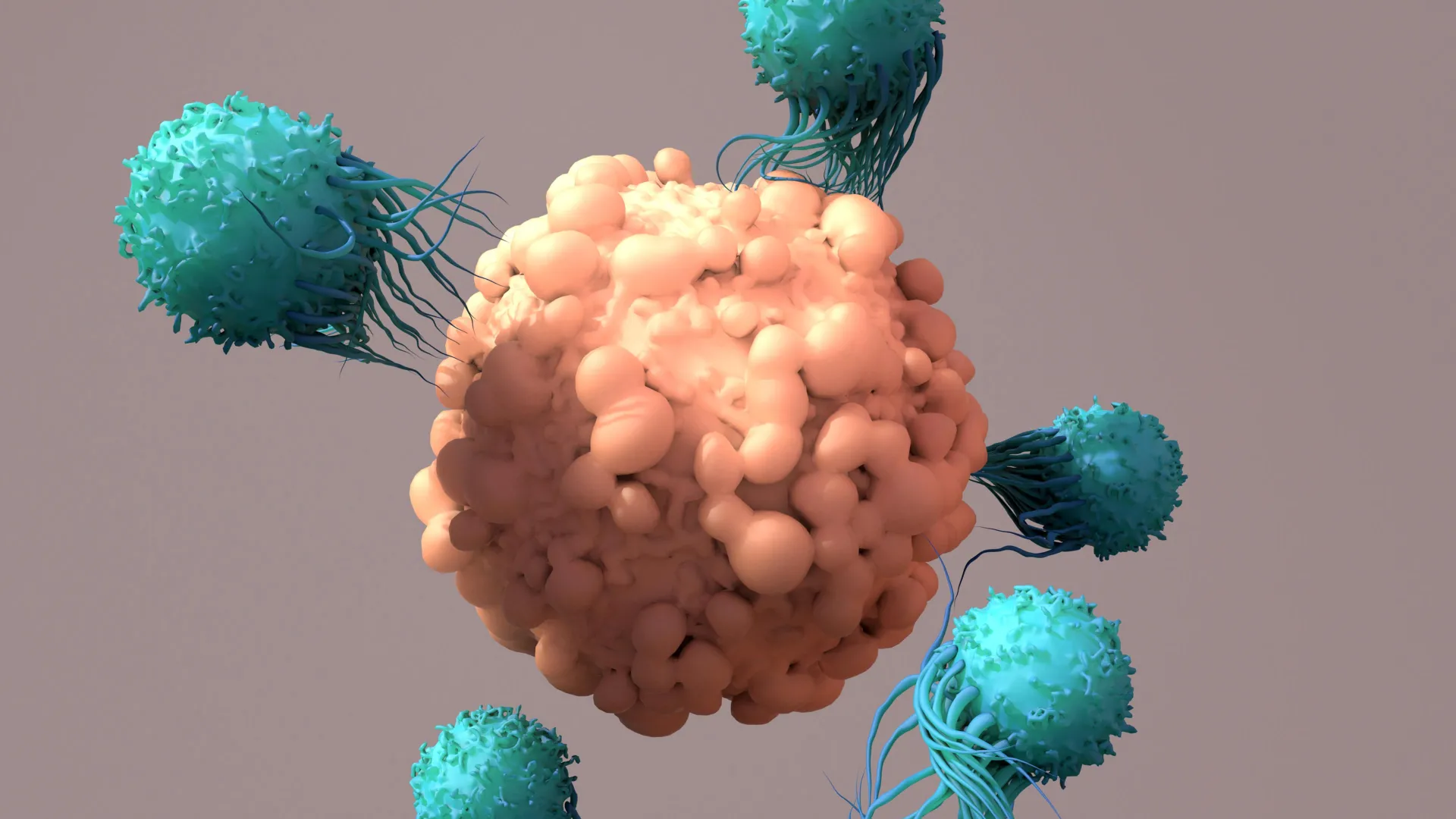
CAR T-cell therapy stands as a beacon of hope in personalized cancer treatment. This innovative approach relies on a patient’s own immune cells, modifying them to identify and attack cancer cells. It has shown remarkable success in treating certain blood cancers, but solid tumors remain a significant hurdle. Recent research from Columbia University and University Hospital Tübingen shines a light on a key factor that may be holding back this promising therapy: the NFIL3 protein.
Researchers conducted an extensive analysis of around 400 transcription factors. Their findings reveal that NFIL3 plays a pivotal role in diminishing CAR T-cell efficacy over time. As these modified immune cells fight, they can become exhausted due to the presence of NFIL3. By disabling this protein, researchers observed that the CAR T cells remained active longer, multiplied more effectively, and displayed improved anti-tumor capabilities. The study, published in Cancer Discovery, highlights how CRISPR technology allows scientists to make precise genetic edits, providing a pathway to potentially enhance the durability of CAR T cells.
Hope for Solid Tumor Treatment
Animal studies demonstrate the promise of this approach. CAR T cells engineered without NFIL3 managed to control tumors more effectively, improving survival rates in mouse models. These findings indicate a new direction for CAR T-cell therapy, especially for solid tumors that currently resist other treatments. The goal now shifts to translating this laboratory success into clinical applications that benefit patients facing these challenging cancers.
The enhanced understanding of CAR T-cell dynamics opens exciting avenues in oncology. Research that bridges benchwork with bedside application could redefine outcomes for many patients. However, additional studies are essential before these findings reach clinical practice. Targeting NFIL3 may not just strengthen CAR T-cell therapy but could also pave the way for new strategies in cancer treatment, emphasizing the critical need for innovation in this field. The fight against cancer requires continuous exploration, and understanding the intricacies of our immune response marks a significant step forward.
Expand Your Tech Knowledge
Explore the future of technology with our detailed insights on Artificial Intelligence.
Discover archived knowledge and digital history on the Internet Archive.
TechV1
