

Top Highlights
-
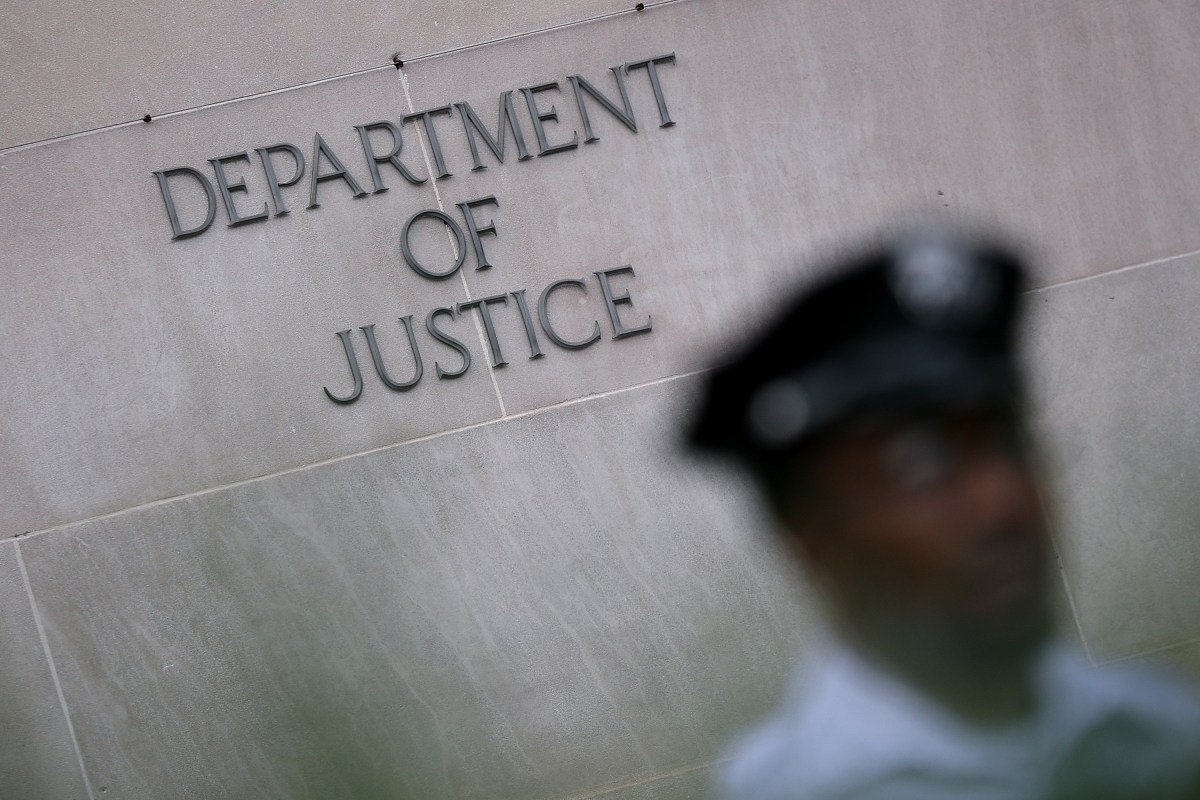
Major Cybercrime Charges: The U.S. Department of Justice has charged British teenager Thalha Jubair for involvement in 120 cyberattacks, including extortion of U.S. companies yielding over $115 million in ransom payments.
-
Impact on Infrastructure: Jubair and another teen, Owen Flowers, are linked to a significant cyberattack on Transport for London, resulting in a major data breach and extensive recovery efforts.
-
Hacking Tactics: The alleged hacks involved social engineering techniques, allowing Jubair to infiltrate networks, steal sensitive data, and manipulate company personnel into granting access.
-
Assets Seized: Authorities seized a server connected to Jubair containing a cryptocurrency wallet with $36 million, most of which is tied to ransom payments, and evidence of plans involving the U.S. Courts system.
Federal Charges Highlight Growing Cyber Threats
The recent federal charges against a British teenager reveal the alarming rise in cybercrime. Authorities accuse Thalha Jubair of participating in over 120 cyberattacks, specifically targeting the U.S. Courts system and numerous American companies. This incident underscores a significant trend: young hackers are increasingly exploiting vulnerabilities in technology. Jubair, only 19 years old, exemplifies a new wave of “advanced persistent teenagers” who utilize simple social engineering techniques to infiltrate large organizations. By impersonating employees to reset passwords, they create chaos and financial losses.
Moreover, Jubair’s alleged connection to Scattered Spider, a group notorious for financial extortion, showcases a concerning evolution in cybercriminal behavior. Arrested with fellow teenager Owen Flowers, Jubair’s actions have implications beyond borders. Prosecutors emphasize that the group’s tactics often lead to millions in ransom payments. These numbers highlight not just individual accountability but broader issues of cybersecurity for governments and corporations alike.
The Need for Robust Cybersecurity Measures
The scale of Jubair’s alleged crimes calls for urgent discussions about cybersecurity practices. Hackers are not simply tech-savvy; they represent a strategic threat to critical infrastructure, including the recent breach of a New Jersey firm. By gaining unauthorized access to sensitive data, Jubair and his associates could endanger national security. The FBI’s findings further indicate that he exploited a significant vulnerability within the U.S. Courts system, prompting concerns about legal and administrative integrity.
Thus, businesses and government agencies must prioritize robust cybersecurity measures. Security awareness training and resilience against social engineering might have prevented such attacks. Investing in technology and reinforcing protocols can mitigate risks. Ultimately, the story of Jubair serves as a stark reminder. It emphasizes the need for vigilance as technology progresses, and cyber threats continue to evolve alongside it.
Discover More Technology Insights
Stay informed on the revolutionary breakthroughs in Quantum Computing research.
Stay inspired by the vast knowledge available on Wikipedia.
TechV1
