

Essential Insights
-
Long-Term Vision for Autonomy: The journey to develop autonomous vehicles is intricate and internal, focusing on technological proof rather than a competitive race, especially in urban settings like airports and public transit.
-
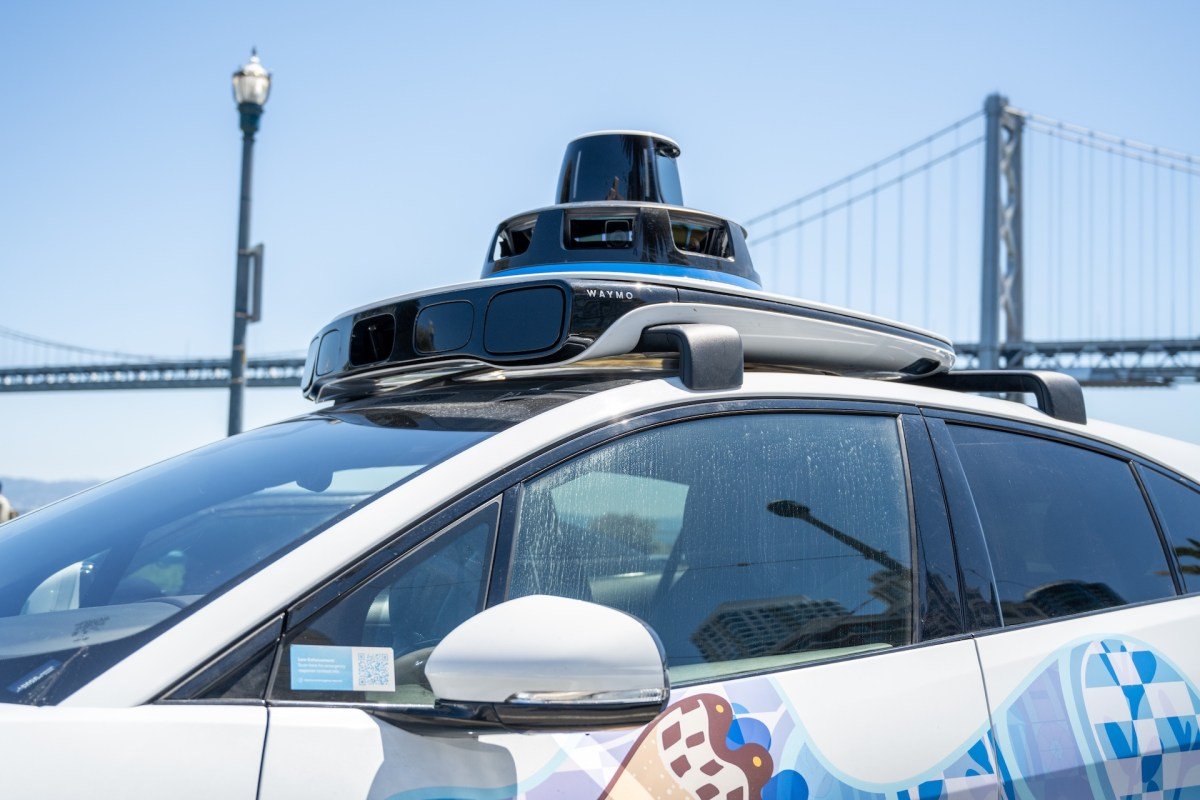
Waymo’s Strategic Moves: Waymo is expanding its operations at major airports, with recent testing permits in San Francisco and San Jose aimed at integrating its robotaxis into public transit networks, despite short-term financial concerns.
-
Funding and Growth in the Sector: Companies like Wayve are attracting significant investments, including a potential $500 million from Nvidia, highlighting the continuing appetite for innovation in automated driving technology and related sectors.
-
Industry Developments: Major automakers like Hyundai and Rivian are ramping up production plans, while addressing challenges like low demand for full-size electric trucks; Tesla is also making safety revisions following investigations.
The Airport Advantage: A Critical Battleground
The global push for robotaxi technology takes shape in various arenas, but few are as vital as airports. Companies like Waymo already prove the model’s potential with services at Phoenix’s Sky Harbor Airport. Recently, Waymo received a permit for testing at San Francisco International Airport. This move highlights airports as key locations for autonomous vehicle adoption. Passengers often seek convenience and speed. Transitioning to robotaxis could elevate that experience significantly.
Moreover, airports served as launchpads for ride-hailing services in the past. Robotaxis operate similarly. As companies strive to integrate autonomous vehicles into the airport ecosystem, they set the stage for broader acceptance. However, while this market shows promise, challenges remain. Costs must align with passenger expectations. Companies like Tesla are also eyeing this sector, adding competitive pressure.
Integrating Robotaxis with Public Transit
Public transit presents another battleground for robotaxi services. Waymo’s partnership with transit software company Via may hold transformative potential. By connecting its autonomous vehicles to existing public transit networks, Waymo can offer cities a seamless service. Initially, the collaboration will launch in Chandler, Arizona, providing on-demand rides at competitive prices.
This integration allows greater reach, even if it doesn’t immediately boost profits. Riders in Chandler can book rides via the Waymo app when traditional transit options fall short. The low fares could incentivize more users to try the service. Ultimately, this strategy builds user familiarity with robotaxis. As system adoption grows, cities may witness a shift in transportation habits.
Stay Ahead with the Latest Tech Trends
Stay informed on the revolutionary breakthroughs in Quantum Computing research.
Stay inspired by the vast knowledge available on Wikipedia.
TechV1
