

Quick Takeaways
-
Targeted Drug Delivery: Researchers at the University of Cambridge have created a pH-sensitive material that releases anti-inflammatory drugs specifically during arthritis flare-ups, improving treatment efficacy and minimizing side effects.
-
Responsive Design: The squishy material changes its texture in response to acidity levels, which are higher in inflamed joints, allowing for optimal drug release exactly when and where needed.
-
Broad Applicability: This innovative approach could potentially be adapted for various medical conditions, such as cancer, by adjusting the material’s chemistry to target specific symptoms.
-
Future Research: Extensive clinical trials are required, but the promising results pave the way for a new type of biomaterial capable of providing continuous, responsive treatment for chronic diseases like arthritis.
The Dawn of Responsive Medicine
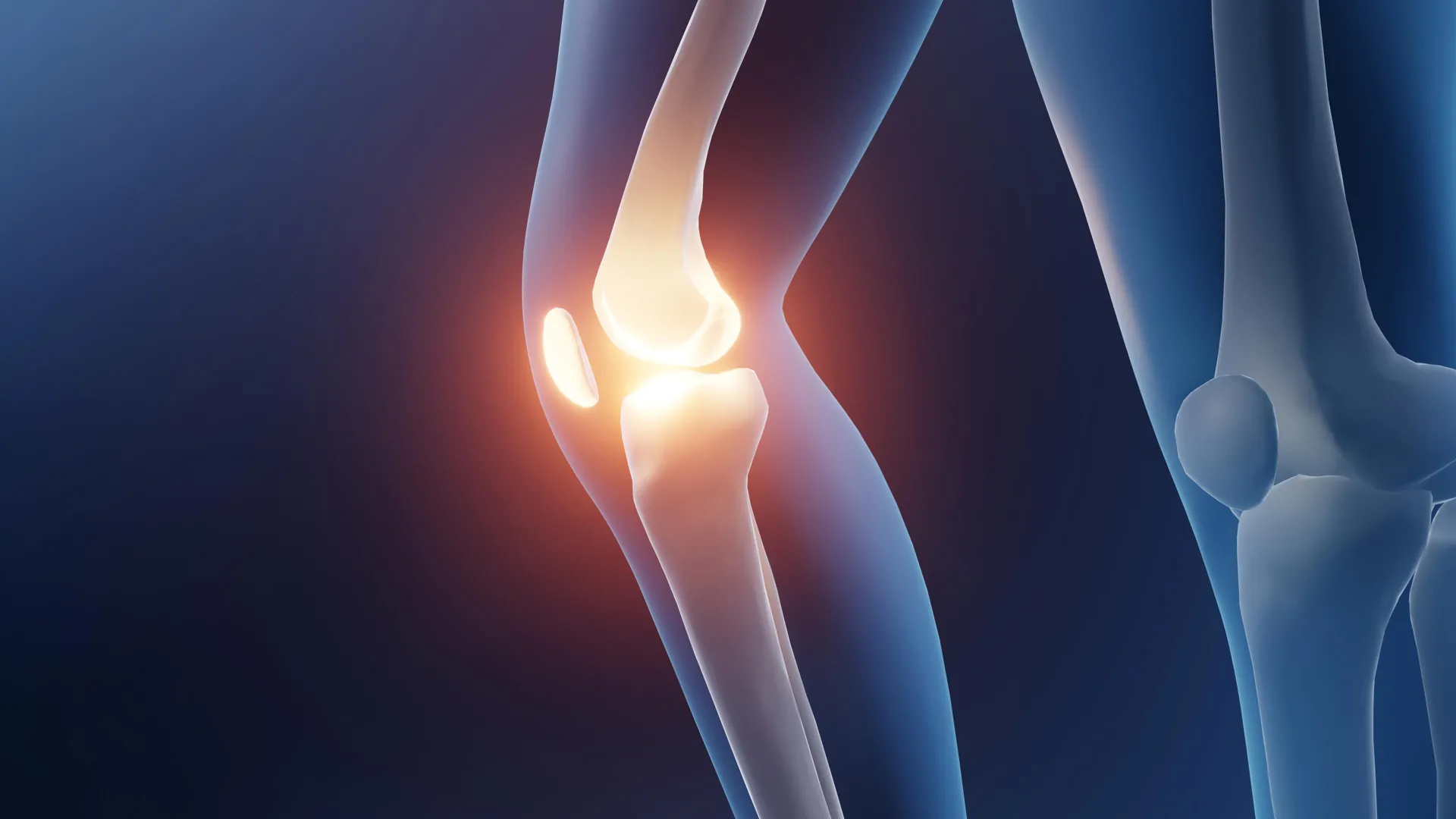
Researchers at the University of Cambridge have made a significant breakthrough in the fight against arthritis. They created a gel capable of sensing small changes in the body, particularly during flare-ups of this debilitating condition. This innovative material releases anti-inflammatory drugs precisely when and where they are most needed. As acidity rises in an inflamed joint, the gel transitions from a firmer state to a softer, jelly-like consistency. This change triggers the release of medication, providing targeted relief and potentially reducing side effects.
Currently, arthritis affects over 10 million individuals in the UK alone, burdening the National Health Service with substantial costs. The implications of this new material extend beyond arthritis. Clinical trials could eventually showcase its utility in treating various conditions, such as cancer. The uniqueness of this gel lies in its ability to respond to the body’s natural chemistry, eliminating the need for external triggers. This feature could lead to a new era of targeted treatments, enhancing patient quality of life substantially.
Potential for Widespread Adoption
The promise of this gel goes beyond immediate relief. It offers a continuous treatment option by acting like artificial cartilage in arthritic joints. By adapting the gel’s chemistry, researchers can tailor it for various medical needs, potentially integrating both fast-acting and slow-release medications. This adaptability lays the groundwork for long-lasting therapies that could lead to improved outcomes for millions worldwide.
Nevertheless, extensive testing remains before this gel sees real-world use. Researchers aim to assess its performance in living systems next. If successful, this technology could revolutionize how we manage chronic diseases, making treatments more precise and effective. The proactive nature of this gel stands as a testament to the ongoing journey of scientific innovation, promising hope for countless individuals battling arthritis and beyond.
Expand Your Tech Knowledge
Learn how the Internet of Things (IoT) is transforming everyday life.
Access comprehensive resources on technology by visiting Wikipedia.
TechV1
