
Close Menu
    Facebook X (Twitter) Instagram
    Friday, July 10
    Top Stories:
    • Revolutionary Vitamin A Discovery Redefines Vision Science
    • Unlocking the Power: A Hidden Immune Backup for mRNA Cancer Vaccines
    • Eternal Twilight: The Life-Sustaining Mystery of an Alien World
    Facebook X (Twitter) Instagram Pinterest Vimeo
    IO Tribune
    • Home
    • AI
    • Tech
      • Gadgets
      • Fashion Tech
    • Crypto
    • Smart Cities
      • IOT
    • Science
      • Space
      • Quantum
    • OPED
    IO Tribune
    Home » Triple Triumph: NASA’s Stellar 3-in-1 Launch
    Space

    Triple Triumph: NASA’s Stellar 3-in-1 Launch

    Staff ReporterBy Staff ReporterSeptember 26, 2025No Comments2 Mins Read
    Share Facebook Twitter Pinterest LinkedIn Tumblr Reddit Telegram Email
    Share
    Facebook Twitter LinkedIn Pinterest Email

    Quick Takeaways

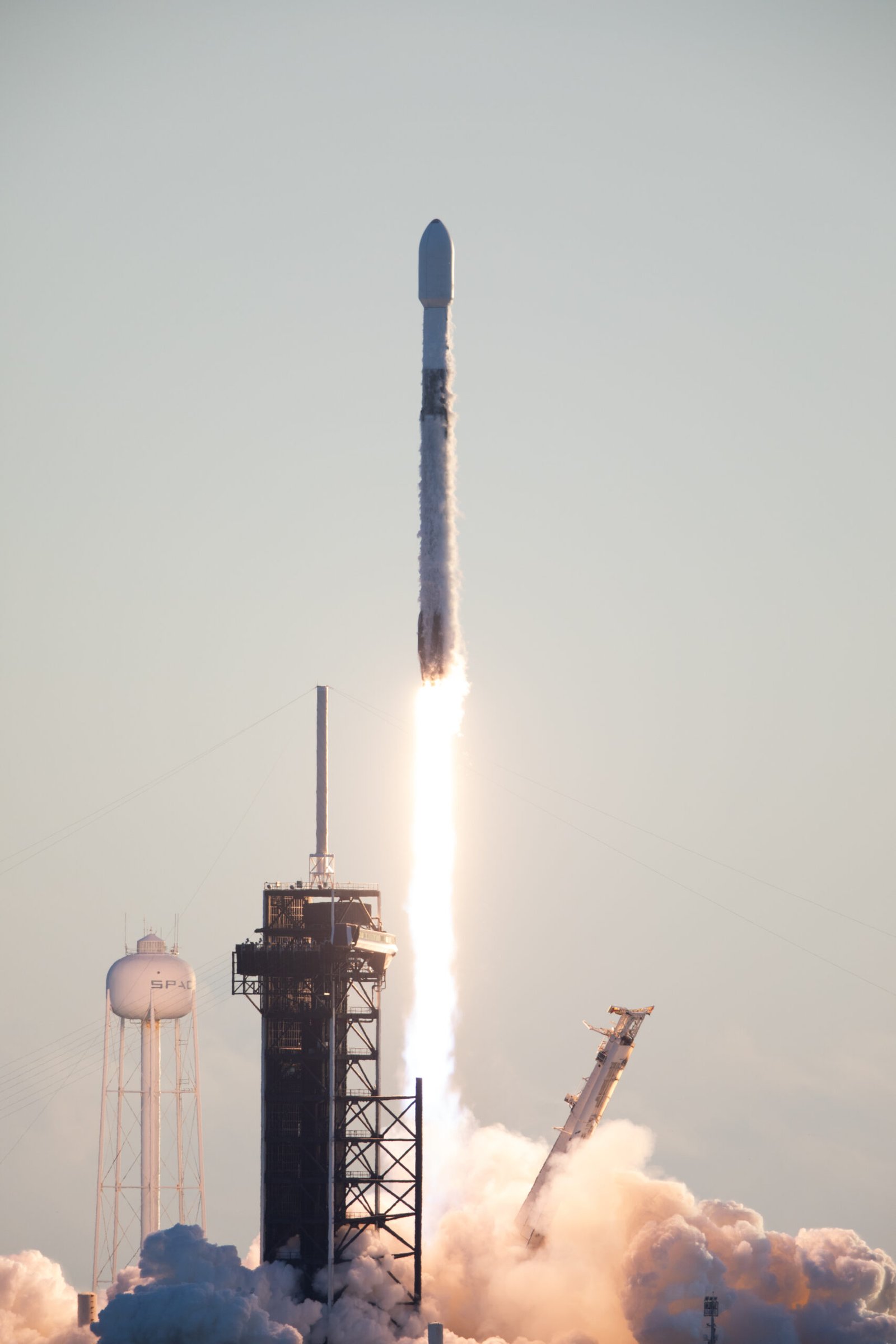
    1. Launch Success: A SpaceX Falcon 9 successfully lifted off from NASA’s Kennedy Space Center on September 24, 2025, at 7:30 a.m. EDT.

    2. Key Missions: The mission included NASA’s IMAP probe, the Carruthers Geocorona Observatory, and NOAA’s SWFO-L1 spacecraft, all focusing on solar wind and space weather.

    3. Scientific Focus: Each spacecraft is designed to study the effects of solar particles, from their origins at the Sun to their influences in distant regions of the solar system.

    4. Collaborative Effort: This launch highlights the collaboration between NASA and NOAA in advancing our understanding of space weather phenomena.

    NASA Launches Trio of Space Missions to Explore Solar Wind

    On Wednesday, Sept. 24, 2025, at 7:30 a.m. EDT, NASA marked a significant milestone with a 3-in-1 launch. The SpaceX Falcon 9 rocket took off from Launch Complex 39A at the Kennedy Space Center in Florida. Importantly, it carried three groundbreaking missions: the Interstellar Mapping and Acceleration Probe (IMAP), the Carruthers Geocorona Observatory, and the NOAA Space Weather Follow On–Lagrange 1 (SWFO-L1) spacecraft.

    These missions each target different aspects of the solar wind, which is the stream of charged particles emitted by the Sun. For example, IMAP will study how these particles travel from their source to the far reaches of our solar system. Meanwhile, the Carruthers Observatory will observe Earth’s outer atmosphere, helping scientists understand its interaction with solar activity.

    Moreover, the SWFO-L1 spacecraft will monitor space weather directly from the Lagrange Point 1, a stable point between Earth and the Sun. This mission aims to provide real-time data on solar activity, which is critical for protecting satellites and communication systems on Earth.

    The successful launch signals a phase of enhanced understanding of solar phenomena and their implications for technology development. As we advance our knowledge of space weather, we can improve forecasting models, ultimately enhancing safety for technology-dependent industries.

    Every new insight gained from these missions could lead to innovations that protect both our technological networks and our planet. Overall, this launch encapsulates a pivotal moment in space exploration, amplifying our quest to harness knowledge about the cosmos.

    Stay Ahead with the Latest Tech Trends

    Explore the future of technology with our detailed insights on Artificial Intelligence.

    Discover archived knowledge and digital history on the Internet Archive.

    SciV1

    Cosmos NASA Space VT1
    Share. Facebook Twitter Pinterest LinkedIn Tumblr Email
    Previous ArticleSBF’s ‘gm’ Tweet Fuels Comeback Buzz with New Solana Perp Dex
    Next Article Revolutionary Gel Could End Arthritis Pain
    Avatar photo
    Staff Reporter
    • Website

    John Marcelli is a staff writer for IO Tribune, with a passion for exploring and writing about the ever-evolving world of technology. From emerging trends to in-depth reviews of the latest gadgets, John stays at the forefront of innovation, delivering engaging content that informs and inspires readers. When he's not writing, he enjoys experimenting with new tech tools and diving into the digital landscape.

    Related Posts

    Gadgets

    Motorola Edge 70 Max: Battery Outshines Google, Samsung

    July 10, 2026
    AI

    $28M Mistake Inspires Estonia’s AI “F**kup Finder”

    July 10, 2026
    Space

    Wild Wonders: California Wolves, Global Bugs, and Ancient Quasars!

    July 10, 2026
    Add A Comment

    Comments are closed.

    Must Read

    Motorola Edge 70 Max: Battery Outshines Google, Samsung

    July 10, 2026

    $28M Mistake Inspires Estonia’s AI “F**kup Finder”

    July 10, 2026

    Wild Wonders: California Wolves, Global Bugs, and Ancient Quasars!

    July 10, 2026

    Revolutionary Vitamin A Discovery Redefines Vision Science

    July 10, 2026

    MIT: Launching World-Changing Innovations at Home

    July 10, 2026
    Categories
    • AI
    • Crypto
    • Fashion Tech
    • Gadgets
    • IOT
    • OPED
    • Quantum
    • Science
    • Smart Cities
    • Space
    • Tech
    Most Popular

    CryptoQuant: Bitcoin Accumulation Signals Maturity, Not the End of the Cycle

    October 26, 2025

    Experience ‘The Audacity’: 21-Part Premiere Streaming on TikTok!

    April 11, 2026

    Ancient Bird’s Lengthy, Flashy Tail Feathers Revealed

    May 29, 2026
    Our Picks

    Ready for a Refresh? Samsung’s Next Big Update Arrives by Late 2025!

    October 8, 2025

    Ancient Innovation: Advanced Stone Tools of Ice Age Humans in China

    May 9, 2026

    Iodised Salt Is Out— but Our Iodine Needs Still Matter

    April 7, 2026
    Categories
    • AI
    • Crypto
    • Fashion Tech
    • Gadgets
    • IOT
    • OPED
    • Quantum
    • Science
    • Smart Cities
    • Space
    • Tech
    • Privacy Policy
    • Disclaimer
    • Terms and Conditions
    • About Us
    • Contact us
    Copyright © 2025 Iotribune.comAll Rights Reserved.

    Type above and press Enter to search. Press Esc to cancel.