

Fast Facts
-
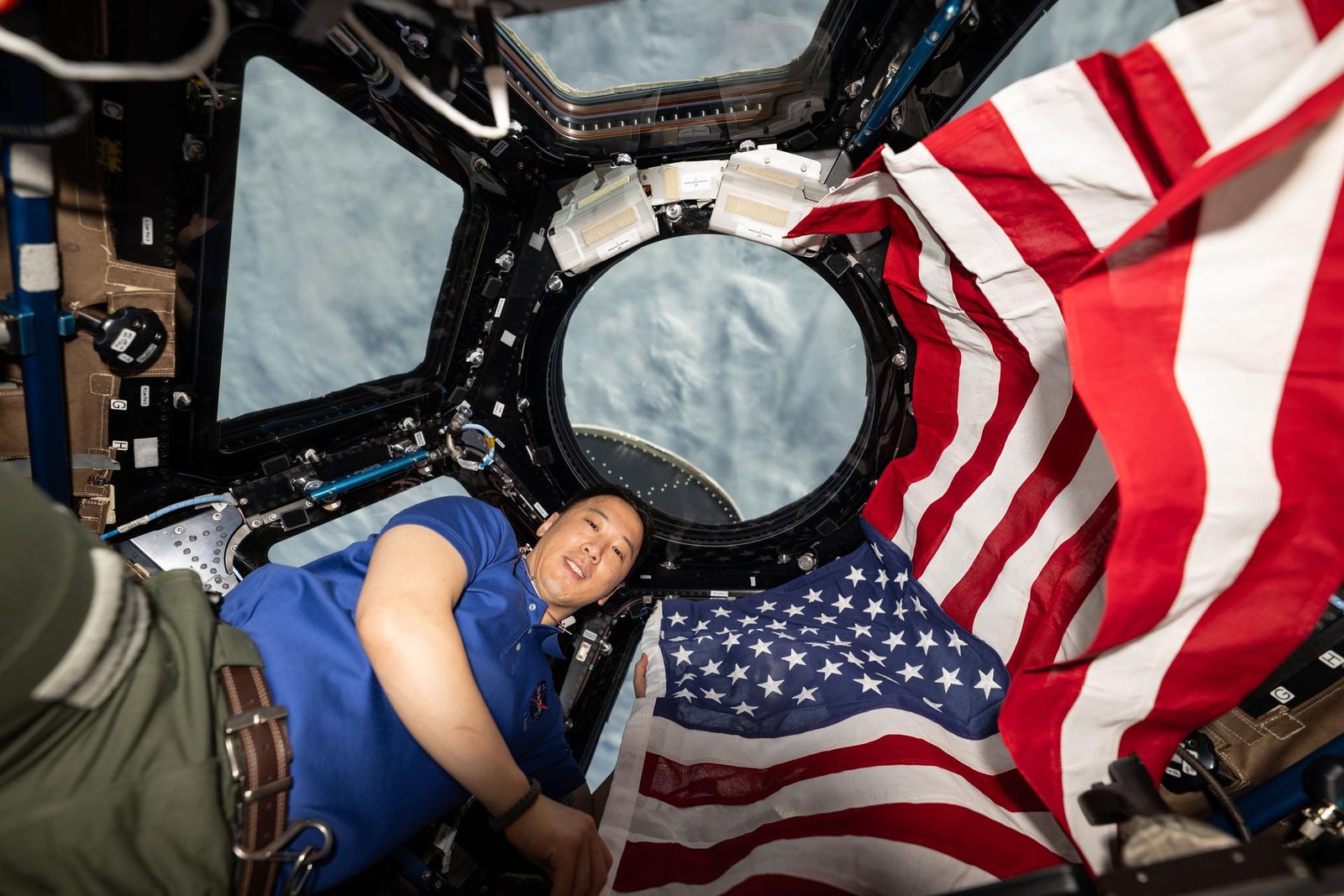
In 2025, NASA and international partners celebrate 25 years of continuous human presence aboard the International Space Station (ISS), with over 290 individuals from 26 countries contributing to advancements in science, technology, and preparation for future lunar and Martian missions.
-
Key figures like Christopher Brown focused on life support systems, ensuring astronauts had clean air and water, while Stephanie Sipila’s microgravity experiments, including Engineered Heart Tissues, demonstrated the intersection of science and human health.
-
Initiatives such as the Spacesuit Art Project highlighted the emotional connections between Earth and the ISS, uplifting children with cancer and emphasizing the power of teamwork and resilience in both space exploration and healthcare.
-
The ISS has fostered a legacy of creativity and collaboration, represented by unique events like live chess matches with astronauts and the ongoing commitment to cleaning up space debris, ensuring a safe environment for future explorations.
Celebrating 25 Years of Humanity in Space
In 2025, NASA and its global partners commemorate 25 years of continuous human presence aboard the International Space Station (ISS). Since November 2, 2000, over 290 individuals from 26 nations have inhabited this extraordinary platform. They conducted thousands of experiments, driving advancements in science and technology that resonate on Earth. Furthermore, these initiatives lay the groundwork for future Artemis missions to the Moon and potential expeditions to Mars.
Not only does the ISS serve as a science hub, but it also acts as a cultural bridge. It unites diverse backgrounds, igniting creativity and inspiring future generations. The memories shared by employees at the Johnson Space Center highlight both the engineering brilliance and the human connection behind this endeavor.
One pivotal figure, Christopher Brown, focuses on life support systems. His work ensures astronauts breathe clean air and drink recycled water—turning waste into resources. Today, these systems recover nearly 98% of water used on the station. Brown reflects on his proudest moment: the commissioning of regenerative life support systems, symbolizing significant progress for long-duration missions beyond Earth.
Meanwhile, Stephanie Sipila, now working on NASA’s Human Surface Mobility Program, began her journey as a mechanical instructor aboard the ISS. One of her favorite projects, Engineered Heart Tissues, examines microgravity’s effects on cardiovascular health. This research contributes to better treatments for heart disease. Sipila also cherishes the Spacesuit Art Project, which integrates children’s artwork into spacesuit designs. This initiative connects science with hope, raising awareness for cancer research.
Liz Warren emphasizes the human impact of these projects. As the Associate Chief Scientist, she recalls the profound connection seen during the Spacesuit Art Project, where astronauts wore suits decorated by young cancer patients. Warren’s experience as an operations lead underscores the continuous link between those in space and teams on Earth, illustrating the collaboration necessary for mission success.
In a different realm, aerospace engineer Adam Baker tracked spacecraft operations while connecting through innovative activities. A memorable chess match between mission control and an astronaut demonstrated creative engagement from afar. Baker highlights the RemoveDebris satellite, deployed in 2018, which tested technologies aimed at cleaning up space debris. His work emphasizes the importance of sustainability in space exploration.
Michael McFarlane, chief of simulation training, prepared astronauts for ISS assembly. He finds fulfillment in witnessing the station grow as crews successfully executed missions based on ground simulations. This process reflects meticulous planning and teamwork.
Traditions also enhance the collaborative spirit in mission control, as engineers celebrate milestones in fun and engaging ways. For social media consultant Mark Garcia, sharing the story of the ISS has been a career highlight. He celebrates the connection between the ISS’s scientific efforts and their benefits for people on Earth.
For 25 years, the International Space Station has exemplified what humanity can achieve together. The lessons learned will shape future missions, ensuring that the next era of exploration rests upon the foundations of innovation, resilience, and unity.
Continue Your Tech Journey
Explore the future of technology with our detailed insights on Artificial Intelligence.
Access comprehensive resources on technology by visiting Wikipedia.
SciV1
