

Summary Points
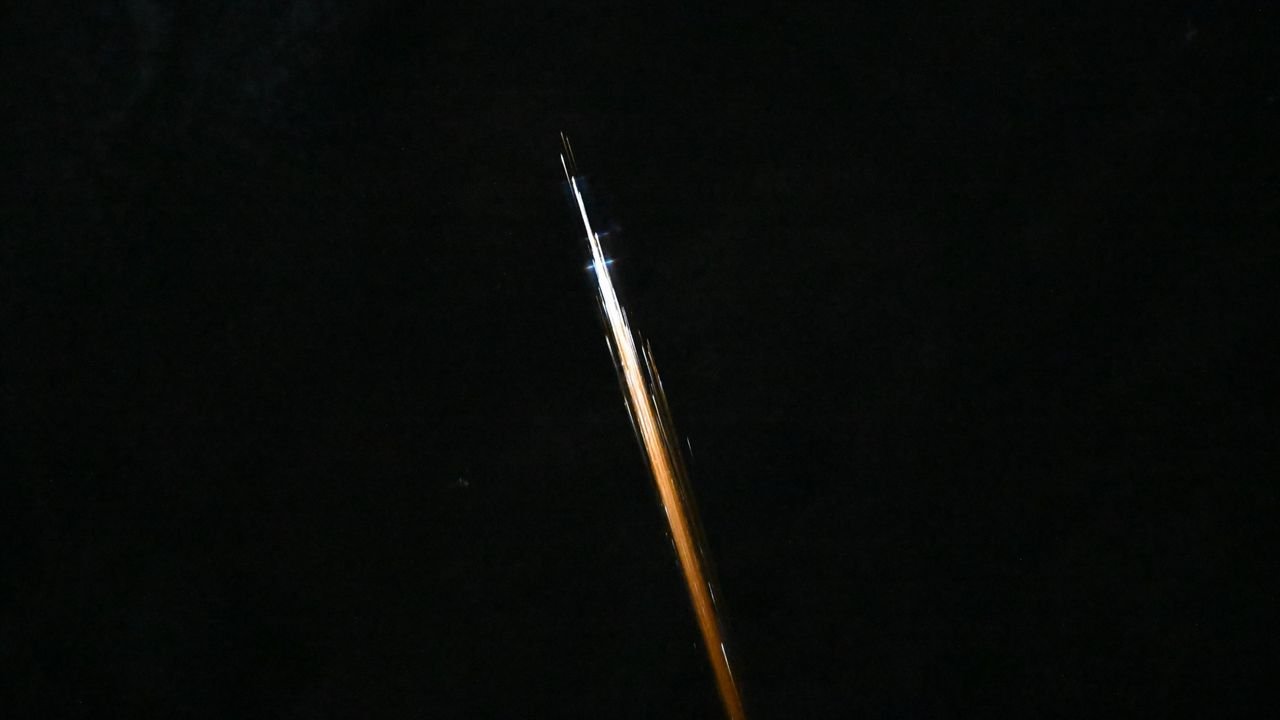
- Astronaut Chris Williams spotted a fireball from the ISS on April 27.
- The bright object was likely orbital debris entering Earth’s atmosphere.
- Progress MS-34 delivered supplies to the ISS shortly after its launch.
- Williams is on an eight-month mission, sharing the ISS with others.
‘It Was Quite a Light Show!’ NASA Astronaut Spies Dramatic Fireball from the International Space Station
A Fascinating View from Above
On April 27, NASA astronaut Chris Williams observed a captivating fireball from the Cupola of the International Space Station (ISS). Around 10:40 PM GMT, while scanning the skies for the arrival of the Progress MS-34 cargo spacecraft, Williams spotted a bright object streaking through the Earth’s upper atmosphere.
The fireball appeared just as the ISS was passing over West Africa. Williams described how he witnessed the object’s tail grow and fragment into smaller pieces. He speculated that it might have been debris or a satellite reentering the atmosphere. “It was quite a light show!” he tweeted, sharing three photos and a short video showcasing the event.
The Science Behind the Fireball
The Progress MS-34, launched on April 25, delivered vital supplies and scientific experiments to the ISS. This resupply mission is crucial for the astronauts aboard, as it contains around three tons of food and materials. The vehicle will remain attached to the ISS for about seven months before departing to disintegrate during reentry.
Notably, the fireball observed by Williams may be linked to the Progress launch. The upper stage of the Soyuz rocket that carried the cargo into orbit likely reentered the atmosphere at just the right moment and location to create this dazzling display. Such observations emphasize the interplay between space technology and atmospheric phenomena, offering unique opportunities for astronauts aboard the ISS to experience spectacular events from a vantage point like no other.
As space exploration continues to evolve, moments like these remind us of the wonders that can be found above our planet. The ISS serves not only as a hub for scientific research but also as a front-row seat for celestial phenomena.
Continue Your Tech Journey
Explore the future of technology with our detailed insights on Artificial Intelligence.
Explore past and present digital transformations on the Internet Archive.
Space
