

Fast Facts
-
Ancient Roots: Lentils in the Canary Islands have been cultivated for nearly 2,000 years, with new genetic analyses confirming their origins trace back to Indigenous settlers from North Africa in the 200s.
-
Climate Resilience: These lentils, adapted to hot, dry conditions, present valuable genetic diversity that could enhance future crop breeding amid ongoing climate change challenges.
-
Cultural Continuity: The persistence of lentil cultivation is linked to Indigenous agricultural knowledge, particularly passed down through women, emphasizing their role in maintaining local crops and culinary heritage.
-
Cross-Breeding Influence: Research reveals that Lanzarote lentils, though not grown there, have contributed genes to Spanish varieties, highlighting the significant genetic impact of Canarian lentils on broader agricultural practices.
The Significance of Ancient Crops
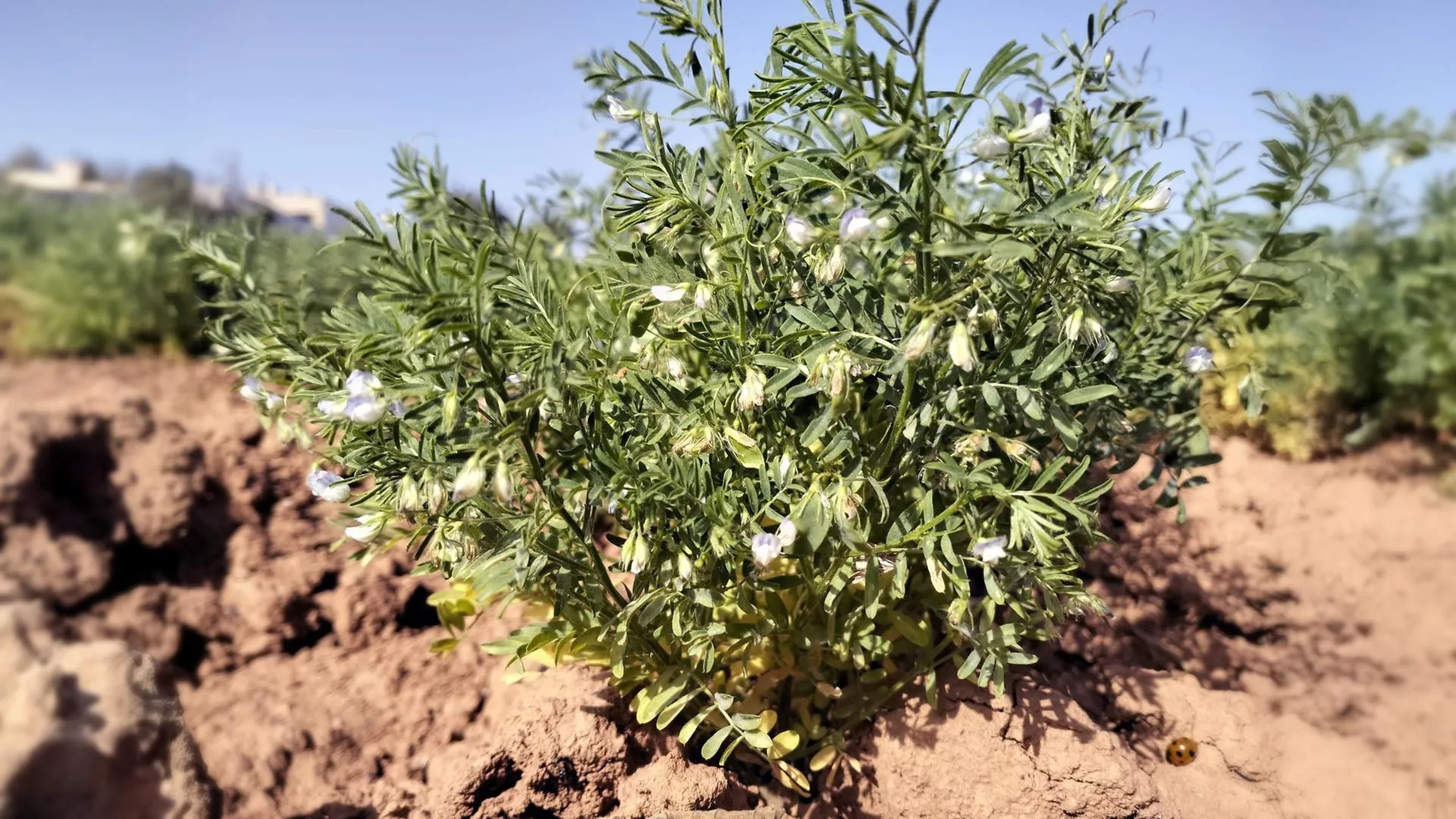
Archaeologists recently unveiled a remarkable find in the Canary Islands: lentils with a lineage stretching back nearly 2,000 years. This discovery stems from a groundbreaking genetic analysis led by researchers at Linköping University and the University of Las Palmas de Gran Canaria. They analyzed ancient lentils found in grain silos carved from volcanic rock. These storage chambers preserved the DNA of the plant remains, allowing scientists to understand how lentil cultivation evolved over centuries.
The persistence of these lentils highlights their adaptability to the Canary Islands’ hot and dry climate. As global temperatures rise, crops that feature such resilience become invaluable. These ancient lentils could serve as a critical resource for breeding future varieties designed to thrive under changing conditions. In this context, studying their history reveals not only agricultural ingenuity but also a window into how ancient cultures managed resources effectively.
Cultural Heritage and Modern Implications
The continued cultivation of these lentils also illustrates the cultural exchange between Indigenous populations and European settlers. Despite significant demographic shifts, knowledge surrounding these crops endured, primarily through the women who maintained traditional agricultural practices. This continuity fosters a deeper connection to the islands’ culinary heritage, as local recipes increasingly prioritize these age-old ingredients.
Moreover, the findings impact contemporary agricultural practices. The unique genetic traits of Canarian lentils contribute not only to their local identity but also to broader agricultural diversity. As researchers confirm, maintaining diverse crop varieties in the face of climate change is crucial. The insights from the Canary Islands offer hope for sustainable practices that honor the past while shaping a resilient agricultural future. In this blend of history and science, we find lessons that enrich our understanding of both farming and cultural preservation.
Expand Your Tech Knowledge
Dive deeper into the world of Cryptocurrency and its impact on global finance.
Stay inspired by the vast knowledge available on Wikipedia.
TechV1
