
Close Menu
    Facebook X (Twitter) Instagram
    Tuesday, November 3
    Top Stories:
    • Why Z.ai and MiniMax Lag Anthropic in AI Profit Margins
    • The Mushroom That Makes People See Tiny Humans
    • China’s EDA Champion Buys Startup to Boost Huawei’s Tau Scaling Law
    Facebook X (Twitter) Instagram Pinterest Vimeo
    IO Tribune
    • Home
    • AI
    • Tech
      • Gadgets
      • Fashion Tech
    • Crypto
    • Smart Cities
      • IOT
    • Science
      • Space
      • Quantum
    • OPED
    IO Tribune
    Home » Unlock Cosmic Learning: Explore Free NASA-Funded Resources!
    Space

    Unlock Cosmic Learning: Explore Free NASA-Funded Resources!

    Staff ReporterBy Staff ReporterNovember 27, 2025No Comments3 Mins Read
    Share Facebook Twitter Pinterest LinkedIn Tumblr Reddit Telegram Email
    Share
    Facebook Twitter LinkedIn Pinterest Email

    Quick Takeaways

    1. Launch of Free Curriculum: The NASA PLANETS project introduces three free out-of-school time units for grades 3-5 and 6-8, focusing on Space Hazards, Water in Extreme Environments, and Remote Sensing.

    2. Expertly Developed: Collaborating with NASA subject matter experts and STEM education professionals, the units feature engaging, research-based activities that cater to diverse learners, including multilingual and Indigenous students.

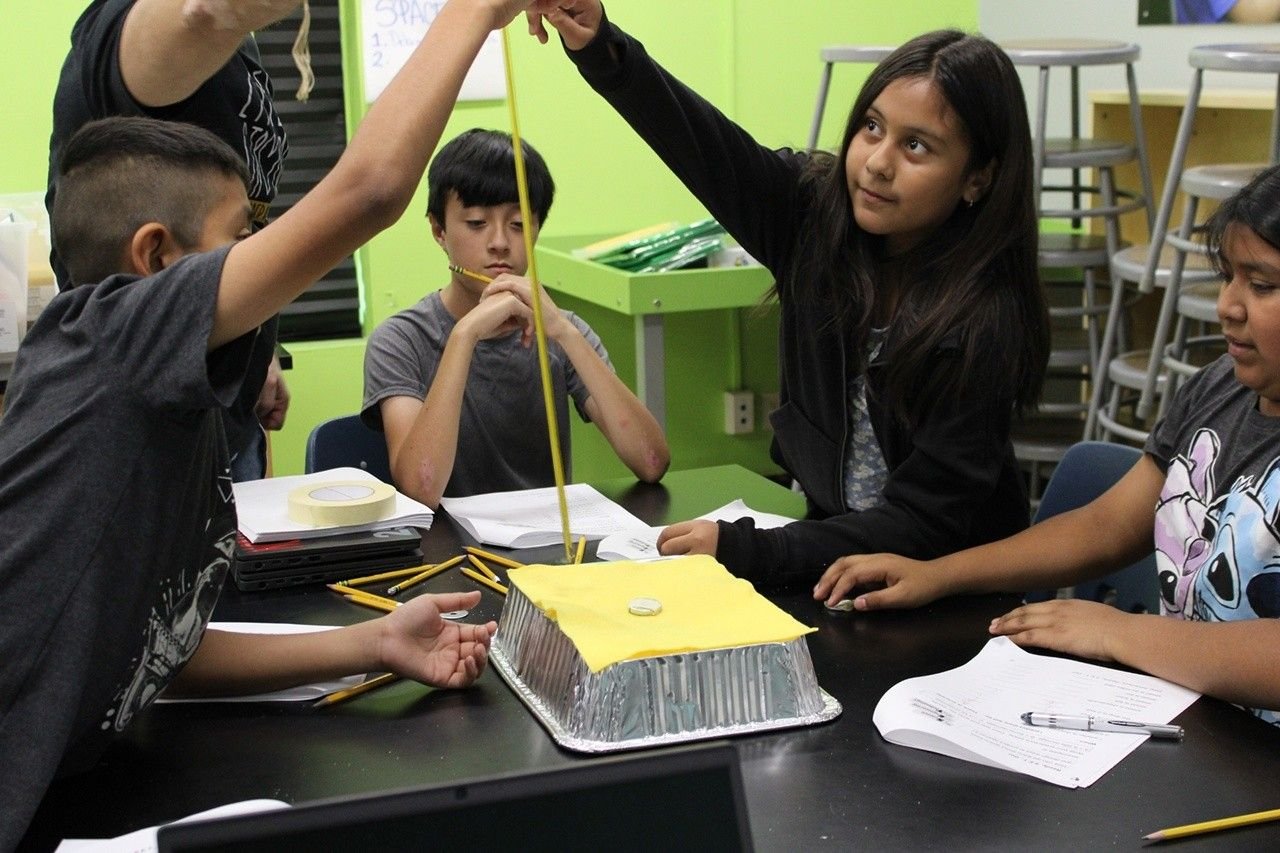
    3. Hands-On Learning: Each unit includes hands-on engineering challenges such as designing a space glove or a water filtration system, encouraging creativity and teamwork.

    4. Accessible Resources: All materials, including educator guides and videos, are available for free on the PLANETS website, fostering STEM identity and enabling educators of varying experience levels to effectively teach science and engineering concepts.

    PLANETS Units Have Landed – Free NASA-Funded Out-of-School Time Resources

    NASA’s PLANETS project has launched three free educational units for grades 3 to 8. These units allow young learners to explore real planetary science and engineering concepts. Supported by comprehensive guides and resources, they aim to inspire the next generation of scientists.

    The three units—Space Hazards, Water in Extreme Environments, and Remote Sensing—offer pathways in both engineering and science. Educators can teach them separately or integrate them into a cohesive learning experience. With input from experts at the USGS Astrogeology Science Center and STEM education specialists, the activities ensure accuracy and engagement.

    One notable feature is the inclusivity of the curriculum. It employs research-based strategies for multilingual and Indigenous learners, as well as those with different physical abilities. Extensive testing has refined the content to meet diverse needs, providing practical guidance for educators of all experience levels.

    In the Space Hazards unit, students in grades 3-5 play a card game that teaches them to navigate dangers faced both on Earth and in space. The engineering challenge asks them to create a glove that protects astronauts while allowing them to perform their duties.

    For grades 6-8, the Water in Extreme Environments unit uses planet-themed cards to showcase where water exists in our solar system. Students design a filtration system, addressing real-world issues like water scarcity on Earth and in space.

    The Remote Sensing unit also targets grades 6-8. Here, students adopt the role of NASA engineers, crafting devices to gather data about planets. They assess real NASA data to determine the most suitable landing sites for rovers on Mars.

    All these materials are accessible for free at planets-stem.org. This initiative emphasizes the importance of understanding science and technology, empowering every learner to envision themselves as future scientists and engineers.

    Funded by a cooperative agreement with NASA, PLANETS represents a key part of the agency’s efforts to engage communities and foster scientific curiosity. By connecting science experts with learners, NASA aims to create deeper comprehension of our universe.

    Continue Your Tech Journey

    Explore the future of technology with our detailed insights on Artificial Intelligence.

    Stay inspired by the vast knowledge available on Wikipedia.

    SciV1

    Cosmos Grades 5 - 8 for Educators Grades K - 4 for Educators Mars NASA Planetary Science Science Activation Space VT1
    Share. Facebook Twitter Pinterest LinkedIn Tumblr Email
    Previous ArticleAncient Harvest: 2,000-Year-Old Crop Discovered in the Canary Islands
    Next Article BlackRock’s IBIT Takes Center Stage as Nasdaq Eyes Major Options Limit Boost
    Avatar photo
    Staff Reporter
    • Website

    John Marcelli is a staff writer for IO Tribune, with a passion for exploring and writing about the ever-evolving world of technology. From emerging trends to in-depth reviews of the latest gadgets, John stays at the forefront of innovation, delivering engaging content that informs and inspires readers. When he's not writing, he enjoys experimenting with new tech tools and diving into the digital landscape.

    Related Posts

    AI

    Why You Shouldn’t Use AI to Vote

    November 3, 2026
    Tech

    Why Z.ai and MiniMax Lag Anthropic in AI Profit Margins

    November 3, 2026
    Science

    The Mushroom That Makes People See Tiny Humans

    November 3, 2026
    Add A Comment

    Comments are closed.

    Must Read

    Why You Shouldn’t Use AI to Vote

    November 3, 2026

    Why Z.ai and MiniMax Lag Anthropic in AI Profit Margins

    November 3, 2026

    The Mushroom That Makes People See Tiny Humans

    November 3, 2026

    Hera Closes In on NASA’s Asteroid Impact Site

    November 3, 2026

    China Restored Its Mangroves—and Wildlife Returned

    November 3, 2026
    Categories
    • AI
    • Crypto
    • Fashion Tech
    • Gadgets
    • IOT
    • OPED
    • Quantum
    • Science
    • Smart Cities
    • Space
    • Tech
    Most Popular

    Zebec Network Acquires Science Card, Advancing Mission-Driven Finance in Education

    May 29, 2025

    Uber’s Premium Robotaxi Service Set for Houston by 2027!

    June 17, 2026

    Claim Your Share of Apple’s $250 Million Siri Deal

    September 23, 2026
    Our Picks

    Android 17: A Lesson in Liquid Glass

    January 26, 2026

    Drones Reveal Hidden Rock Art in Australia’s Blue Mountains

    October 24, 2026

    Unlocking the Future: How AI is Revolutionizing Scientific Discovery

    June 26, 2025
    Categories
    • AI
    • Crypto
    • Fashion Tech
    • Gadgets
    • IOT
    • OPED
    • Quantum
    • Science
    • Smart Cities
    • Space
    • Tech
    • Privacy Policy
    • Disclaimer
    • Terms and Conditions
    • About Us
    • Contact us
    Copyright © 2025 Iotribune.comAll Rights Reserved.

    Type above and press Enter to search. Press Esc to cancel.