

Quick Takeaways
-
Launch of Free Curriculum: The NASA PLANETS project introduces three free out-of-school time units for grades 3-5 and 6-8, focusing on Space Hazards, Water in Extreme Environments, and Remote Sensing.
-
Expertly Developed: Collaborating with NASA subject matter experts and STEM education professionals, the units feature engaging, research-based activities that cater to diverse learners, including multilingual and Indigenous students.
-
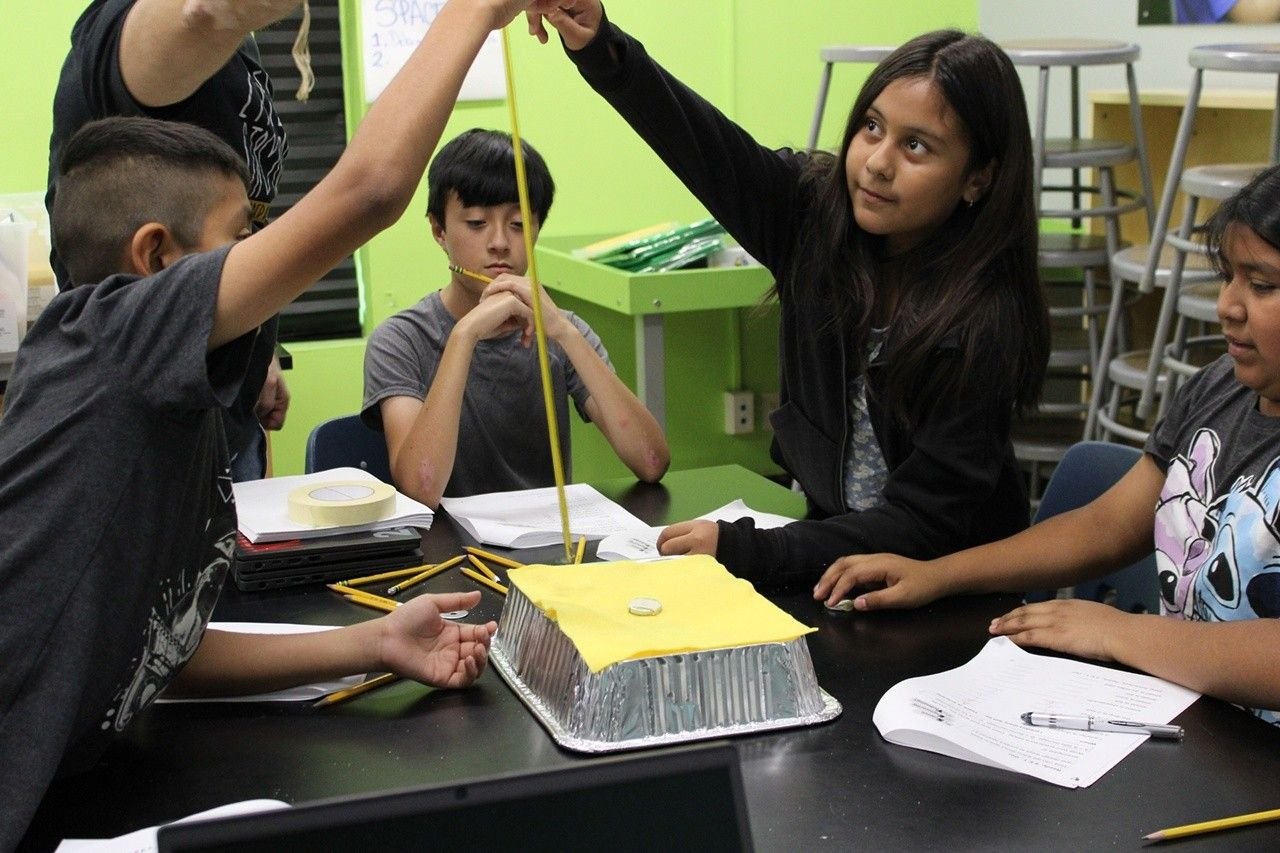
Hands-On Learning: Each unit includes hands-on engineering challenges such as designing a space glove or a water filtration system, encouraging creativity and teamwork.
-
Accessible Resources: All materials, including educator guides and videos, are available for free on the PLANETS website, fostering STEM identity and enabling educators of varying experience levels to effectively teach science and engineering concepts.
PLANETS Units Have Landed – Free NASA-Funded Out-of-School Time Resources
NASA’s PLANETS project has launched three free educational units for grades 3 to 8. These units allow young learners to explore real planetary science and engineering concepts. Supported by comprehensive guides and resources, they aim to inspire the next generation of scientists.
The three units—Space Hazards, Water in Extreme Environments, and Remote Sensing—offer pathways in both engineering and science. Educators can teach them separately or integrate them into a cohesive learning experience. With input from experts at the USGS Astrogeology Science Center and STEM education specialists, the activities ensure accuracy and engagement.
One notable feature is the inclusivity of the curriculum. It employs research-based strategies for multilingual and Indigenous learners, as well as those with different physical abilities. Extensive testing has refined the content to meet diverse needs, providing practical guidance for educators of all experience levels.
In the Space Hazards unit, students in grades 3-5 play a card game that teaches them to navigate dangers faced both on Earth and in space. The engineering challenge asks them to create a glove that protects astronauts while allowing them to perform their duties.
For grades 6-8, the Water in Extreme Environments unit uses planet-themed cards to showcase where water exists in our solar system. Students design a filtration system, addressing real-world issues like water scarcity on Earth and in space.
The Remote Sensing unit also targets grades 6-8. Here, students adopt the role of NASA engineers, crafting devices to gather data about planets. They assess real NASA data to determine the most suitable landing sites for rovers on Mars.
All these materials are accessible for free at planets-stem.org. This initiative emphasizes the importance of understanding science and technology, empowering every learner to envision themselves as future scientists and engineers.
Funded by a cooperative agreement with NASA, PLANETS represents a key part of the agency’s efforts to engage communities and foster scientific curiosity. By connecting science experts with learners, NASA aims to create deeper comprehension of our universe.
Continue Your Tech Journey
Explore the future of technology with our detailed insights on Artificial Intelligence.
Stay inspired by the vast knowledge available on Wikipedia.
SciV1
