

Summary Points
-
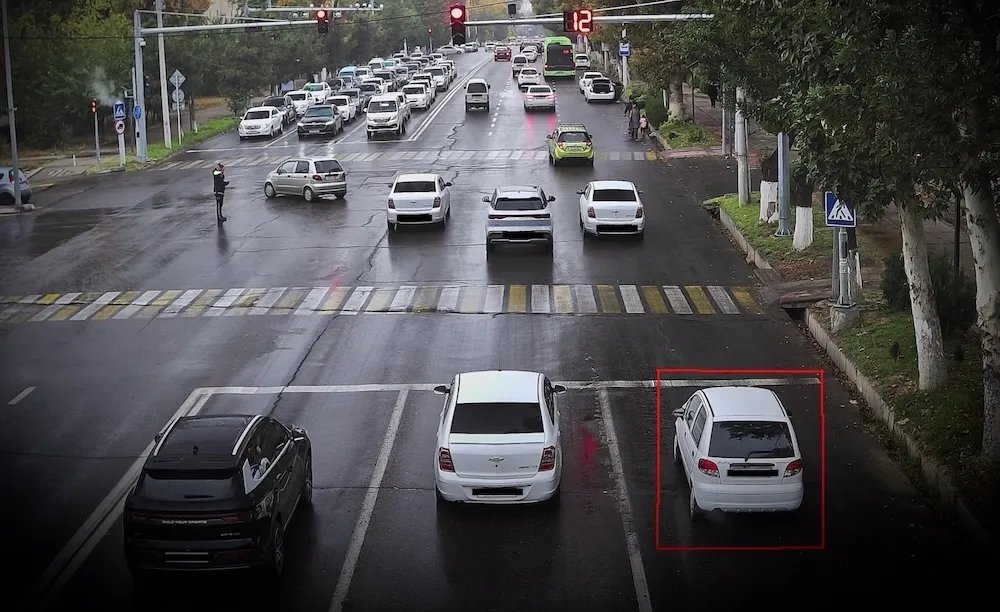
Mass Surveillance System: Uzbekistan employs a vast network of high-resolution roadside cameras to monitor vehicles and their occupants, with data collection focused on traffic violations like running red lights and failing to wear seatbelts.
-
Security Breach: A significant security lapse exposed the national license plate-tracking system online without password protection, allowing unauthorized access to millions of vehicle records and camera footage.
-
Data Accessibility: The exposed system, operated by Uzbekistan’s Department of Public Security, contains a detailed dashboard with real-time footage of traffic violations, revealing the locations of over a hundred cameras across major cities.
-
Wider Implications: This incident reflects broader security risks associated with mass vehicle monitoring, paralleling similar vulnerabilities discovered in the U.S., highlighting the importance of robust cybersecurity measures in surveillance technologies.
Surveillance: A Double-Edged Sword
Uzbekistan recently unveiled a nationwide license plate surveillance system, deploying around a hundred high-resolution cameras. These cameras scan vehicles continuously, identifying traffic violations and monitoring driver behavior. For instance, one driver traveled frequently between major cities and a settlement, with his movements captured over six months. This extensive reach raises important questions about efficiency and privacy.
However, a significant security lapse occurred when the system was found exposed on the internet without any password protection. Security researcher Anurag Sen discovered this vulnerability, revealing millions of photos and video footage of vehicles. The exposure sheds light on how such systems function and, more importantly, the potential risks they pose to individual privacy. Though surveillance can enhance traffic management, it also opens doors to misuse and data breaches. As nations, including the U.S., explore similar technologies, the balance between public safety and personal privacy remains critical.
A Global Reflection on Privacy Concerns
The situation in Uzbekistan reflects broader global trends. Countries utilize surveillance technologies, often marketed as tools for improving public safety. For instance, surveillance systems by companies like Maxvision, which export their technology worldwide, promise real-time monitoring of illegal activities. Yet, reports indicate that similar systems in the U.S. face security issues, leaving sensitive data exposed to public access.
While innovative monitoring might offer immediate benefits, it prompts a crucial dialogue about the implications for civil liberties. The evident vulnerabilities in these surveillance systems call for stringent security measures and regulations. As societies embrace advanced technology, we must remain vigilant, ensuring that efforts to enhance security do not inadvertently compromise personal privacy. Ultimately, while technology evolves, the human journey requires careful navigation of its ethical implications.
Expand Your Tech Knowledge
Dive deeper into the world of Cryptocurrency and its impact on global finance.
Stay inspired by the vast knowledge available on Wikipedia.
TechV1
