

Top Highlights
-
Protective Role of Pain: Short bursts of pain act as essential warning signals that prevent further injury, activating the nervous system to prompt immediate withdrawal from harmful stimuli.
-
Chronic Pain Complexity: Chronic pain affects approximately 50 million people in the U.S., leading to persistent discomfort even after injuries heal, due to sensitized brain input rather than physical damage.
-
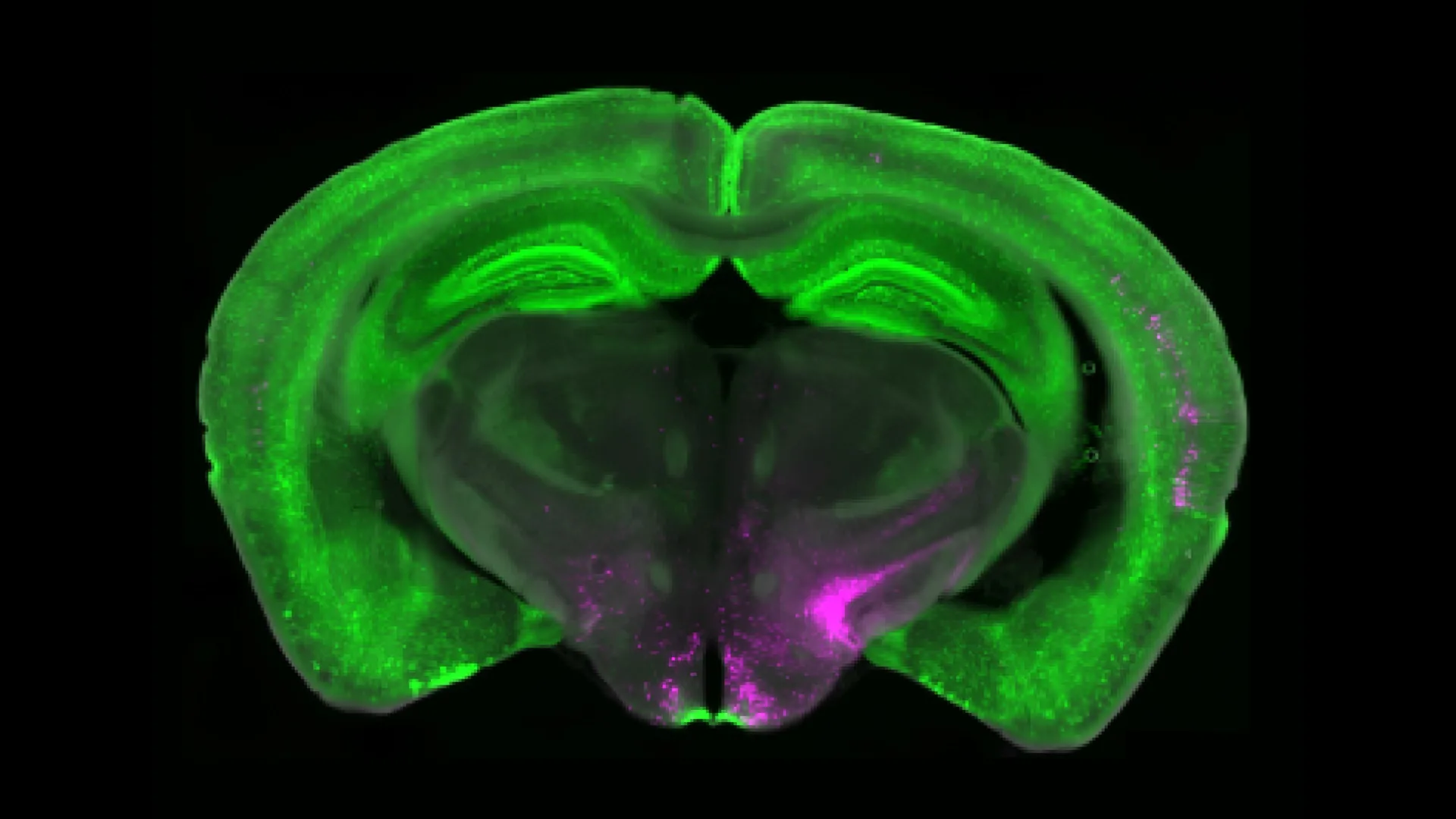
Neuroscientific Discovery: Research identifies Y1 receptor-expressing neurons in the brainstem that remain active during chronic pain, suggesting the brain can prioritize survival needs like hunger and fear over pain sensations.
-
Potential for New Treatments: Understanding these neural circuits opens avenues for innovative pain treatments beyond medication, including behavioral interventions like exercise and cognitive therapy, emphasizing the brain’s adaptability in pain management.
Understanding Chronic Pain
Pain serves a crucial purpose. Short bursts alert us to danger. Yet, chronic pain alters this dynamic, becoming an unending burden for many. Approximately 50 million Americans live in this painful reality. Instead of disappearing after an injury, their pain persists, often without visible cause. Neuroscientist J. Nicholas Betley emphasizes that chronic pain stems from a muted response in the brain rather than an ongoing physical injury. Recent research uncovers a specific group of brain neurons, known as Y1 receptor-expressing neurons. These cells light up during pain and can be targeted to control chronic discomfort. Understanding the mechanics behind these neurons provides hope for improved treatments.
A New Path for Pain Relief
The implications of this research extend beyond identifying neurons. Exploring how these brain circuits operate reveals potential treatment avenues. Betley’s team observed how other intense needs, like hunger, can suppress pain signals. This insight points to a possible behavioral component in pain management. Coping methods like exercise or meditation might influence these neural circuits. Imagine a future where managing pain doesn’t solely rely on medications but also on lifestyle adjustments. By prioritizing urgent needs over persistent pain, we open avenues for holistic healing. Society can potentially shift its approach to chronic pain by understanding its complexity. This discovery could lead to not just new treatments but also hope for millions.
Discover More Technology Insights
Dive deeper into the world of Cryptocurrency and its impact on global finance.
Discover archived knowledge and digital history on the Internet Archive.
TechV1
