

Essential Insights
-
Third-Party Device Support: Apple is enhancing compatibility for third-party devices with iPhones in Europe to comply with the Digital Market Act, introducing features like proximity pairing and notifications.
-
Release Timeline: The new capabilities will be included in iOS version 26.3, with full functionality expected in the EU by 2026.
-
Proximity Pairing & Notifications: Users will benefit from simplified one-tap pairing for devices like earbuds and can receive notifications on third-party smartwatches, a feature previously exclusive to the Apple Watch.
-
Minimal Compliance Effort: While these updates improve user experience, critics note Apple is only making minimal changes necessary to comply, often removing features available in other regions.
Apple’s iOS 26.3 Opens Doors to Third-Party Device Compatibility in the EU
Apple plans to enhance its iOS 26.3 software, promoting more seamless integration of third-party devices in Europe. This development stems from the company’s commitment to comply with the European Union’s Digital Market Act (DMA).
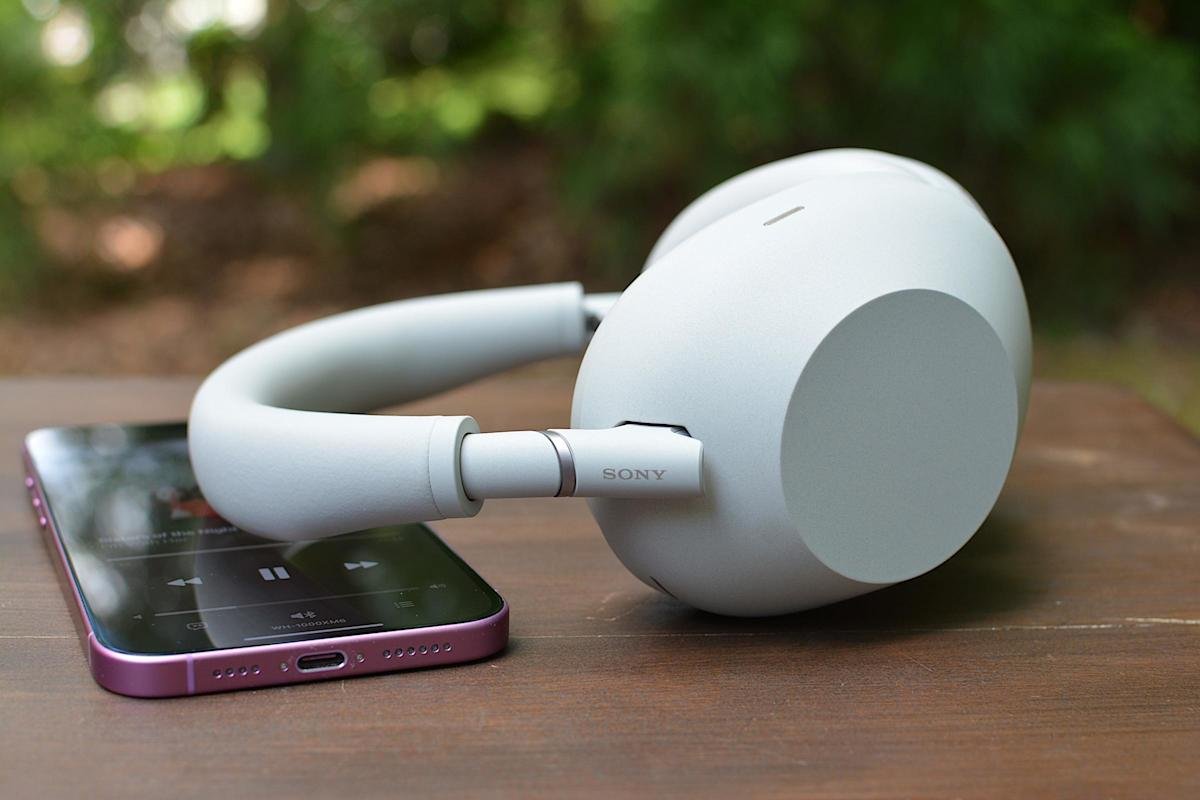
The new iOS update will introduce a proximity pairing feature. Users can connect devices like Sony headphones by simply bringing them near an iPhone or iPad. This streamlined process eliminates the need for complicated Bluetooth settings. Also, iOS 26.3 will enable notifications from third-party devices, allowing users to receive alerts on compatible Wear OS smartwatches. This functionality usually found only on Apple Watches makes managing notifications simpler and more inclusive.
The EU views these changes as a significant step toward a more interconnected digital ecosystem. An EU spokesperson noted, “The DMA creates new opportunities for developers to bring to market innovative products and services in Europe.” This shift could foster urban innovation and enhance smart city initiatives, providing residents with greater access to technology while supporting diverse ecosystems.
However, some limitations remain. Notifications can only forward to one connected device at a time, limiting options for users who also rely on Apple Watches. Additionally, while proximity pairing simplifies the connection process, it does not allow as seamless switching between devices as Apple’s own hardware does.
Moreover, Apple’s efforts to comply with the DMA may appear minimal, with whispers of rolling back features available outside Europe. For instance, the elimination of iPhone mirroring on Mac could raise concerns about consistency across platforms.
With the expected full rollout of these features by 2026, Apple positions itself to meet EU standards while offering benefits to users. As technology continues to evolve, the implications for smart cities and urban innovation remain promising.
Stay Ahead with the Latest Tech Trends
Stay informed on the revolutionary breakthroughs in Quantum Computing research.
Access comprehensive resources on technology by visiting Wikipedia.
GadgetsV1
