

Quick Takeaways
-
Innovative Research Hub: In 2025, NASA’s Armstrong Flight Research Center advanced various aeronautics and Earth science projects, reaffirming its status as a premier testing site for aeronautics research and contributing to future aviation technologies.
-
Historic Milestones: The successful completion of the first piloted NASA X-plane flight in decades and the preparation for the X-59’s inaugural flight showcased Armstrong’s commitment to rigorous testing and safety, setting the stage for supersonic research.
-
Community Engagement & Workforce Development: Armstrong expanded educational outreach, providing students with hands-on experience in aeronautics and fostering interest in STEM careers through internships and community programs.
-
Continued Excellence in Flight Research: Looking ahead, Armstrong is poised to further advance aeronautics and Earth science initiatives, including additional X-59 flights and continued support for the Artemis program, driven by a renewed mission focus under new leadership.
NASA Armstrong Fuels Innovation in Aviation Research in 2025
In 2025, NASA’s Armstrong Flight Research Center in Edwards, California, made substantial strides in aeronautics, Earth science, and exploration technologies. The center served as a key site for testing and data collection, enhancing aviation systems crucial for future breakthroughs. Notably, teams refined safety systems and developed innovative measurement tools, reinforcing NASA’s commitment to improving flight operations.
Operating from the Mojave Desert, NASA Armstrong emphasized real-world performance in its engineering design process. This approach allowed the center to inform how existing aircraft operate and how emerging systems might function in the near future. Additionally, the hard work of engineers, technicians, pilots, and support staff ensured each mission progressed safely and deliberately.
“The professionalism and commitment of our team have been vital, especially under challenging conditions,” said the center director. Their dedication fostered collaboration with industry partners and educational institutions, expanding opportunities for students and young professionals.
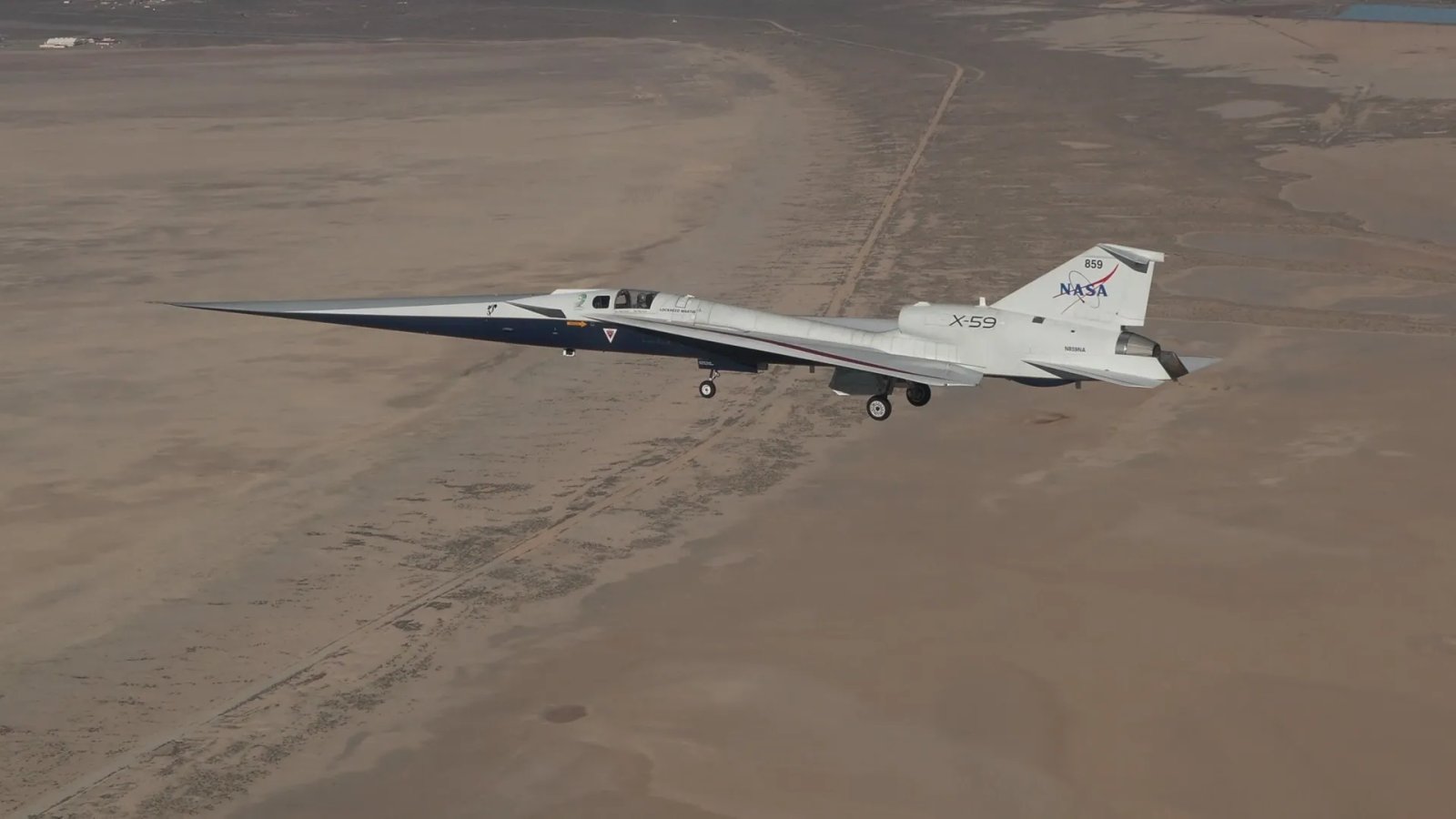
Key projects continued to advance, including the X-59 quiet supersonic aircraft. This year, teams completed essential tests like electromagnetic interference evaluations and prepared the aircraft for its first flight scheduled for late October. Such advancements support future commercial uses of quieter supersonic technology, marking a significant shift in aviation.
Researchers also conducted extensive aerodynamic measurements, which improved the accuracy of advanced aircraft designs. The incorporation of sustainable technologies highlights NASA’s aim to create efficient, high-performing aircraft while addressing global concerns about aviation’s environmental impact.
In Earth sciences, test flights gathered valuable data on wildfire behaviors and environmental changes. These efforts help enhance the accuracy of satellite measurements and climate forecasts, benefiting local communities and emergency response teams.
NASA Armstrong also focused on exploration technologies, contributing to the Artemis program aimed at moon missions and beyond. High-altitude tests advanced sensor technologies crucial for landing operations on other planets, preparing NASA for future missions to Mars.
Furthermore, the center expanded educational outreach. Students and educators engaged with aeronautics through workshops and competitions, inspiring future generations in STEM fields. Internships provided hands-on experience, empowering young learners to explore careers in aerospace.
Enhancements to infrastructure, like a new subscale research aircraft, bolstered NASA Armstrong’s capabilities. These improvements promote efficient testing processes, paving the way for cutting-edge research.
Looking ahead, NASA Armstrong plans to continue its mission of advancing flight research. Upcoming initiatives will include further X-59 flights and studies focused on air mobility and hypersonic technologies. As a hub of innovation, NASA Armstrong aims to lead the way in redefining the future of aviation and space exploration.
For a deeper look into NASA Armstrong’s missions and innovations, visit their website.
Stay Ahead with the Latest Tech Trends
Explore the future of technology with our detailed insights on Artificial Intelligence.
Explore past and present digital transformations on the Internet Archive.
SciV1
