

Fast Facts
- Mary-Dell Chilton pursued chemistry, overcoming early discouragement in science careers.
- She pioneered agricultural biotechnology, creating the first genetically modified plant in 1982.
- Her work led to higher-yielding, resilient crops, impacting global agriculture drastically.
- Chilton received numerous accolades, including the World Food Prize and National Medal.
Breaking Barriers in Science
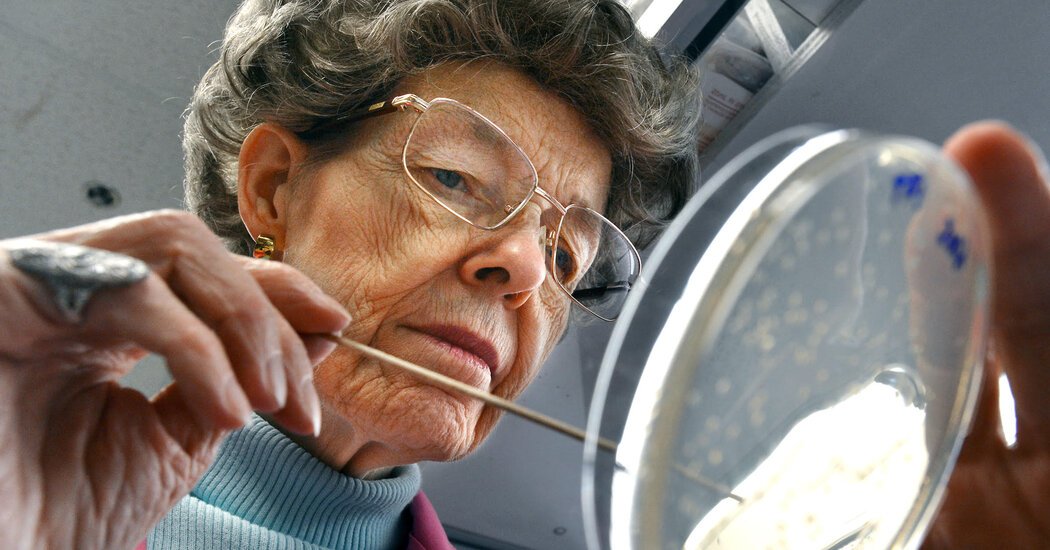
Mary-Dell Chilton, a pioneer in agricultural biotechnology, passed away at 87, leaving behind a legacy that transformed global agriculture. In the 1950s, when she enrolled at the University of Illinois, women faced significant barriers in the sciences. Despite this, she initially aimed to major in physics. Yet, dull lectures and a discouraging professor in astronomy shifted her path to chemistry. Unbeknownst to her, this change would lead to monumental breakthroughs.
Chilton became a leading figure in genetic engineering. In 1982, her research team created the first genetically modified plant. This development marked a pivotal shift in how we approach agriculture. Scientists inserted foreign genes into plants, opening a world of possibilities. Her methods paved the way for crops that resist pests and diseases, and can even endure harsh weather conditions. Such advancements have immense implications for food security across the globe.
The Ongoing Debate
Despite her groundbreaking work, public opinion on genetically modified organisms (GMOs) remains deeply divided. While many scientists endorse their safety, concerns linger regarding long-term effects on health and the environment. Critics raise questions about corporate monopolies controlling seed supplies and whether engineered crops genuinely address climate change.
Chilton championed the understanding of genetic principles. She argued that plant engineering has existed in nature for centuries. “If people understood the science, I think the concern would evaporate,” she said, emphasizing the need for public education on genetic engineering. Her optimism reflected a belief in science’s potential to solve pressing global issues, such as food scarcity.
Chilton’s achievements influenced the agricultural landscape significantly. Today, roughly 90% of certain crops like soybeans and corn in the U.S. are genetically modified. Farmers owe much to her innovations, which protect against diseases and climate challenges. As society grapples with technological advancements, Chilton’s legacy serves as a reminder of the transformative power of science. Her work exemplifies both the promise and the complexity of biotechnology in our lives.
Expand Your Tech Knowledge
Stay informed on the revolutionary breakthroughs in Quantum Computing research.
Discover archived knowledge and digital history on the Internet Archive.
TechV1
