

Summary Points
-
Fossil Discovery: Over 30,000 fossilized remains found on Spitsbergen reveal a 249 million-year-old marine ecosystem, marking early land-to-ocean animal adaptations post-mass extinction.
-
Rapid Ocean Recovery: Fossils indicate that marine ecosystems rebounded quickly—within three million years after the end-Permian extinction, supporting complex food webs with diverse aquatic reptiles.
-
Evolutionary Insights: The findings challenge traditional views, suggesting that reptiles and amphibians transitioned to marine environments earlier than previously thought, reshaping the evolution of marine ecosystems.
-
Significant Research: The detailed excavation and analysis process took nearly a decade, with results published in Science and fossils now on display in Norway and Sweden.
The Discovery: A Window into Earth’s History
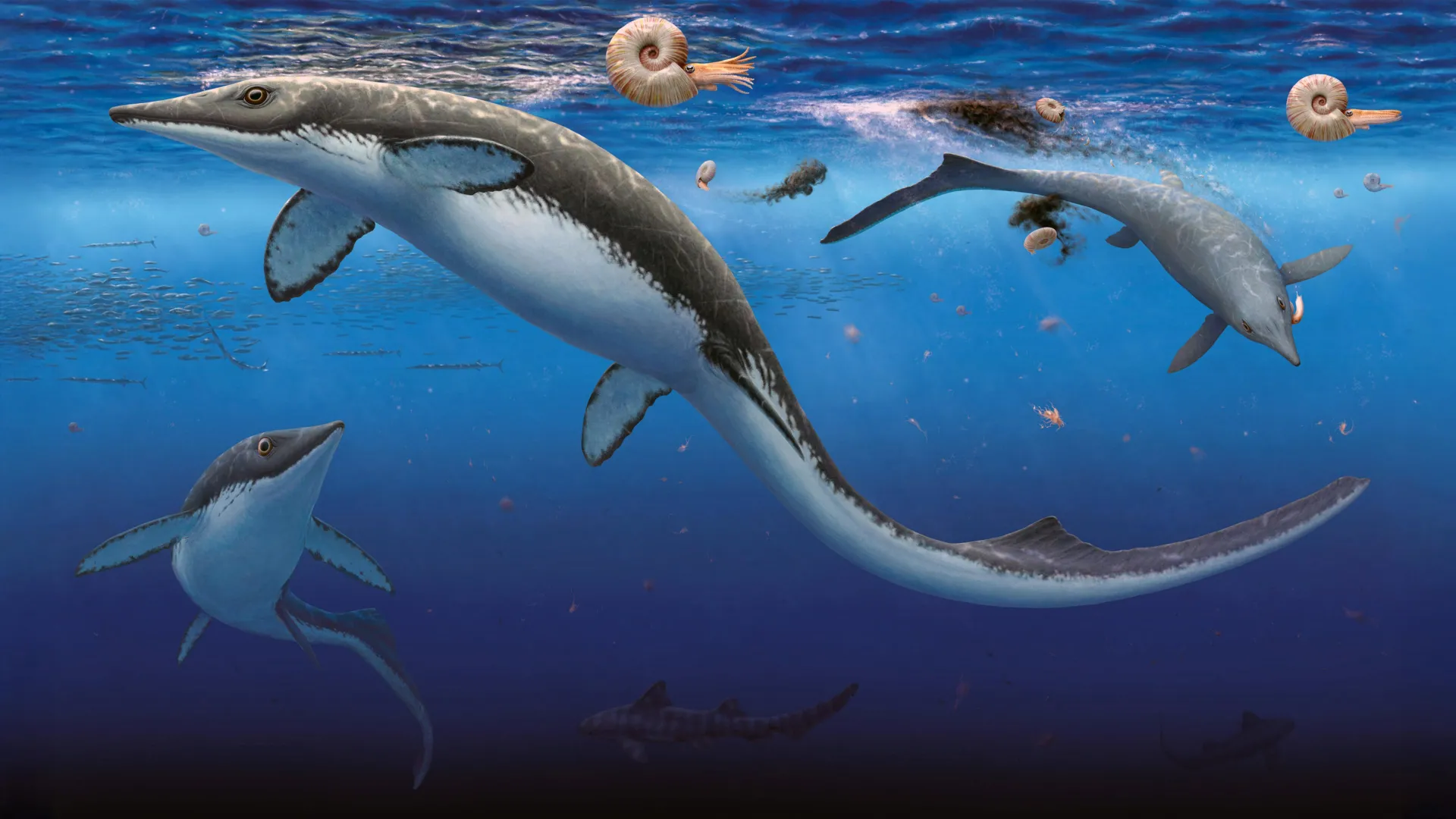
Scientists unearthed over 30,000 fossilized remains on Spitsbergen, a remote Arctic island. This substantial find includes teeth, bones, and remnants of prehistoric marine life. These fossils date back to 249 million years ago, a time following the catastrophic end-Permian mass extinction. Remarkably, this extinction wiped out more than 90 percent of marine species. With intense global warming and environmental upheaval, the event reshaped Earth’s ecosystems. Researchers dedicated nearly a decade to excavating and analyzing these fossils, leading to groundbreaking insights.
The soft mud that once covered this ancient ocean now reveals a rich tapestry of early dinosaurs and their predecessors. Notably, the site showcases unique marine reptiles and amphibians, marking a significant evolutionary milestone. These species began as land-dwellers yet adapted to life in the ocean. Their transitions highlight life’s resilience in the face of extreme adversity.
A Rapid Recovery: Rethinking Evolutionary Timelines
The fossil evidence from Spitsbergen challenges the longstanding belief about the pace of marine ecosystem recovery. Initially, scientists speculated that recovery took millions of years, unfolding gradually. Instead, the findings reveal an astonishingly swift rebound within just three million years after the extinction event. Complex food webs swiftly emerged, populated with predatory reptiles and amphibians.
Among the discoveries are diverse species, including early ichthyosaurs and archosauromorphs. These marine reptiles varied greatly in size and hunting strategies, from small squid-eating creatures to massive top predators. This newfound diversity suggests that evolutionary shifts occurred sooner than previously thought. The Spitsbergen site may redefine our understanding of marine vertebrate history and evolutionary timelines. As life adapted and thrived, it paved the way for modern marine ecosystems.
This impressive collection of fossils not only enriches our knowledge but also serves as a reminder of Earth’s remarkable capacity for resilience. In studying these ancient lifeways, we gain insights into our planet’s history and perhaps lessons for navigating future environmental challenges.
Expand Your Tech Knowledge
Dive deeper into the world of Cryptocurrency and its impact on global finance.
Explore past and present digital transformations on the Internet Archive.
TechV1
