

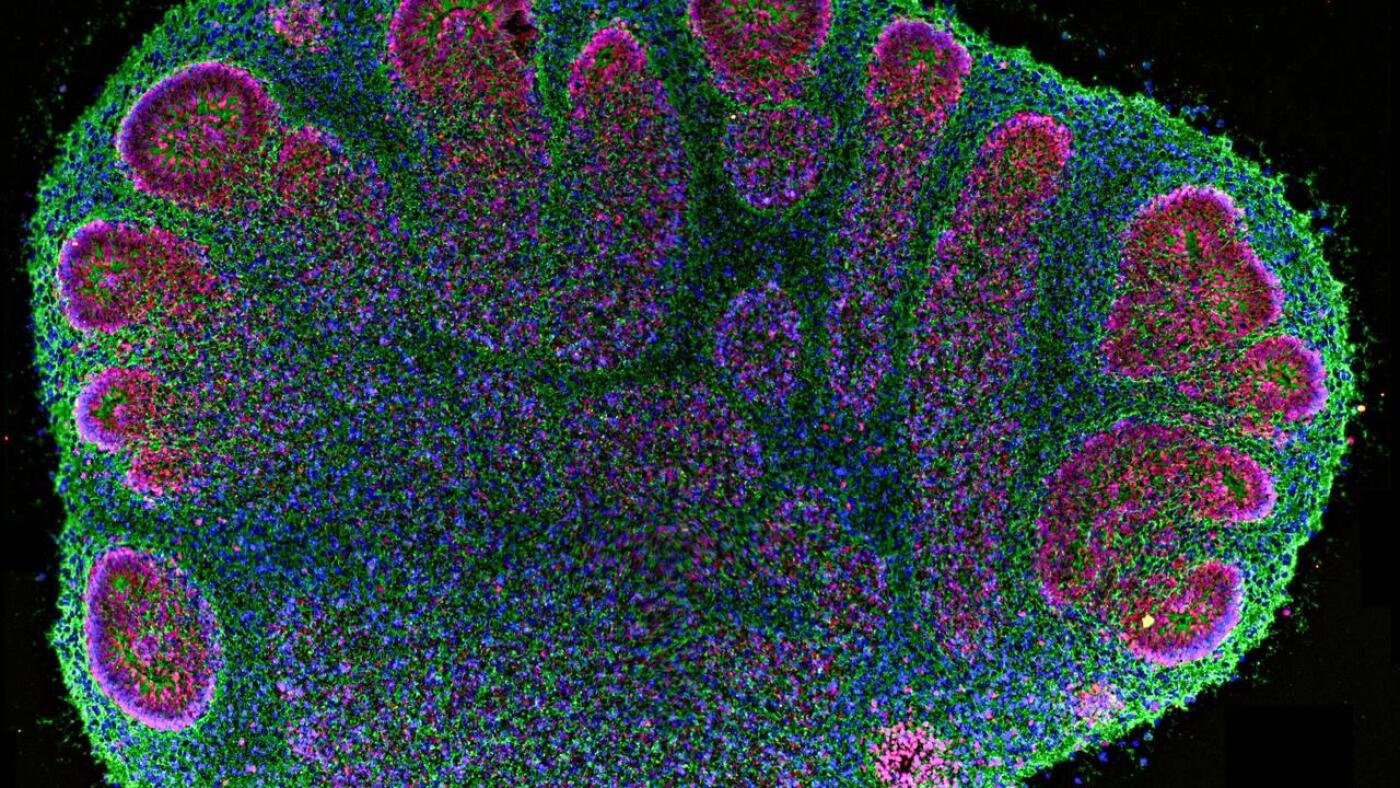
Quick Takeaways
-
Brain Organoids’ Impact: Research on brain organoids—clusters of human neural cells—facilitates the study of disorders like autism and schizophrenia but raises ethical concerns due to their connection to human consciousness.
-
Ethical Discussions: A conference gathered scientists and ethicists to address ethical questions, such as the potential for organoids to feel pain or consciousness, highlighting the need for regulatory frameworks.
-
Public Perception Issues: Misleading media portrayals of organoids as “mini-brains” fuel public fears, necessitating clearer communication about their capabilities and limitations in research.
-
Future Guidelines Needed: Experts agree on the importance of establishing guidelines to ensure ethical oversight of organoid research, which could have profound implications if developments continue at the current pace.
Advancing Research with Brain Organoids
Brain organoids—clusters of human cells—are revolutionizing research on complex brain disorders like autism and schizophrenia. These pea-sized models mimic aspects of human brain development and offer insights into conditions that traditional lab methods cannot. For instance, researchers can explore human neurons and glial cells, deepening our understanding of mysterious brain disorders. Scientists have even created networks of organoids that simulate pain pathways, bringing us closer to potential treatments for conditions like epilepsy and brain cancer.
However, the rapid advancement of this technology comes with inherent risks. Critics express concerns about the ethical implications of modifying or integrating human cells into animal brains. People worry about the possibility of these organoids developing consciousness or the capacity to feel pain. While current research indicates these organoids lack the circuitry necessary for suffering, misconceptions in media portrayals can distort public perception. Therefore, scientists must actively communicate the limitations and capabilities of organoids to maintain public trust.
Ethical Concerns and Public Perception
The ethical landscape surrounding brain organoids resembles the debates from the era of stem cell research. While stem cells seemed distant from cognitive abilities, organoids integrate with other brain circuits, raising alarms about their potential risks. Professionals from various fields recently engaged in a dialogue to address these concerns and develop guidelines to navigate this new scientific frontier. Their discussions highlighted the need for transparency in research and the establishment of regulations to ensure ethical practices.
As society stands on the brink of this new technology, many emphasize the importance of careful deliberation. Striking a balance between fostering innovation and ensuring ethical boundaries will shape the future of brain organoid research. As scientists dive deeper into understanding the brain’s complexities, ongoing conversations about ethics and perception will remain essential. Society must navigate this delicate landscape as we continue to advance our understanding of the human brain.
Stay Ahead with the Latest Tech Trends
Dive deeper into the world of Cryptocurrency and its impact on global finance.
Access comprehensive resources on technology by visiting Wikipedia.
TechV1
