

Summary Points
-
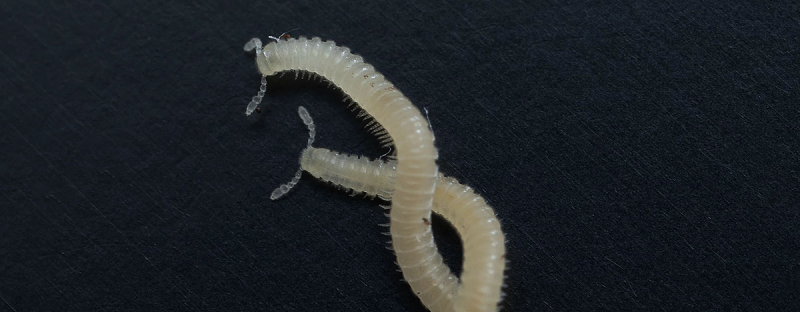
New Discovery: Researchers funded by NSF have identified a new, eyeless millipede species named Illacme socal, thriving underground in the densely populated Los Angeles area.
-
Ecosystem Role: Contrary to fears, this pale, 500-legged creature plays a vital role in the ecosystem by breaking down decaying material and enriching soil nutrients.
-
Diminished Habitat: Discovered in two locations in L.A., the species faces threats due to urban development and habitat loss, highlighting the need for conservation efforts.
-
Biodiversity Awareness: The finding underscores the rich, yet unexplored biodiversity in urban environments, pushing for more research on the millions of unclassified arthropod species globally.
Unearthing Hidden Diversity
Researchers recently made a groundbreaking discovery beneath the bustling streets of Los Angeles. They identified a new species of millipede, named Illacme socal. This creature lives deep in the soil and boasts nearly 500 legs, pale coloration, and no eyes. Its adaptations make it an expert at surviving underground, where most people will never see it. Despite its eerie appearance, this millipede plays a vital role in the ecosystem. It helps decompose organic material, enriching the soil and supporting new plant life. This discovery raises important questions about the hidden biodiversity in urban environments.
Additionally, the findings serve as a reminder of the richness of life that thrives unseen. With an estimate of 4 million to 6 million arthropod species on Earth, many still await discovery. The work of researchers like Paul Marek sheds light on these species and their ecological significance. Even in densely populated areas, life flourishes beneath our feet. As urban development continues to encroach on natural habitats, understanding these ecosystems becomes increasingly critical.
Conservation and Our Future
The discovery of Illacme socal highlights the necessity for conservation efforts. Urban expansion often leads to habitat loss, threatening not only millipedes but countless other species as well. By studying and cataloging these organisms, scientists can inform strategies for environmental protection. This knowledge empowers communities to make informed decisions that support biodiversity.
Moreover, such discoveries can shift public perception about urban wildlife. Instead of fearing these creatures, we should recognize their contribution to sustaining our environment. As we learn more about the interconnectedness of life, we can better appreciate the role of every species, however small. Protecting biodiversity is not just an environmental concern; it is crucial for human well-being as well. Conservation efforts can help ensure that our ecosystems remain robust and capable of supporting all forms of life, including ourselves.
Continue Your Tech Journey
Explore the future of technology with our detailed insights on Artificial Intelligence.
Stay inspired by the vast knowledge available on Wikipedia.
TechV1
