

Fast Facts
-
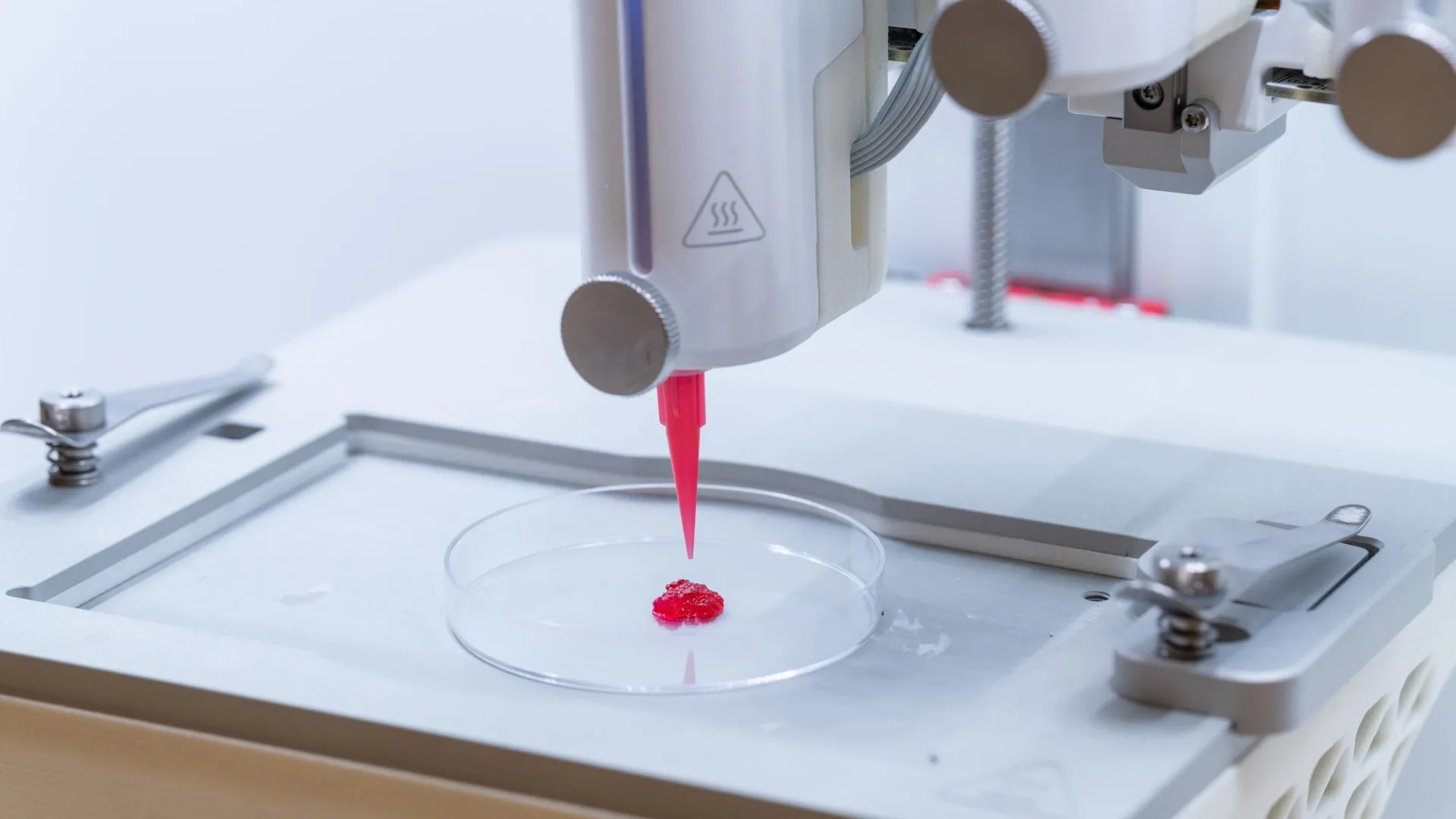
Innovation in Skin Repair: Researchers in Sweden have developed a gel with live cells that can be 3D printed into skin transplants, potentially revolutionizing treatments for burns and severe wounds.
-
Advanced Skin Layer Creation: While traditional skin transplants often lead to scarring, this new approach aims to generate a functional dermis, allowing the body to heal without creating scar tissue.
-
“Skin in a Syringe” Technology: The gel combines gelatin beads and hyaluronic acid, enabling easy application via syringe and allowing the cells to function and survive, potentially leading to the restoration of the dermis.
-
Blood Vessel Integration: The research addresses a crucial bottleneck in tissue engineering—creating blood vessels—by developing elastic hydrogel threads that can form mini-tubes for cell growth, enhancing the viability of engineered tissues.
Revolutionizing Burn Treatment
Recent breakthroughs in medical technology offer hope for burn victims. Researchers have developed an innovative solution dubbed “skin in a syringe.” This gel contains live cells that can be 3D printed into skin transplants. Initially tested on mice, this method paves the way for treating severe wounds without the unwanted scars typically associated with existing procedures.
Traditionally, doctors treat large burns by transplanting just the epidermis, the outer layer of the skin. However, this approach often results in significant scarring. In contrast, the new technology aims to regenerate the more complex dermis beneath the epidermis. The dermis contains essential structures like blood vessels and nerves. By using skin cells cultured in a lab and combining them with a gel that sets into a skin-like material, researchers create a live graft that may encourage the body to produce functional skin.
Bridging the Gap to Practical Application
While the concept holds promise, several steps remain before widespread adoption. The key issue lies in ensuring that the gel not only adheres to the wound but also promotes cell growth. Fortunately, this new gel reacts to light pressure, allowing it to transition from liquid to gel upon application. This unique characteristic facilitates easy application via a syringe.
Moreover, the researchers have addressed another critical challenge: the development of blood vessels. Effective tissue engineering heavily relies on the ability to supply nutrients and oxygen. The team has made strides in creating hydrogel threads capable of forming perfusable channels, a breakthrough that could ultimately enhance tissue viability.
As we move toward a future where such technologies become common, we must remain mindful of accessibility. Making these advanced treatments available to patients everywhere can transform the healing journey for many.
Expand Your Tech Knowledge
Stay informed on the revolutionary breakthroughs in Quantum Computing research.
Stay inspired by the vast knowledge available on Wikipedia.
TechV1
