
Close Menu
    Facebook X (Twitter) Instagram
    Saturday, March 14
    Top Stories:
    • ZTE’s Computing Revenue Soars 150% Amid AI Boom, Profits Drop 33%
    • AI & Smartphones Stalled: Middle East Crisis Shakes MWC 2026
    • Revolutionary Bacterial Kill Switch Could Transform Superbug Warfare
    Facebook X (Twitter) Instagram Pinterest Vimeo
    IO Tribune
    • Home
    • AI
    • Tech
      • Gadgets
      • Fashion Tech
    • Crypto
    • Smart Cities
      • IOT
    • Science
      • Space
      • Quantum
    • OPED
    IO Tribune
    Home » NASA’s Supersonic Quest: New F-15 Joins the Race!
    Space

    NASA’s Supersonic Quest: New F-15 Joins the Race!

    Staff ReporterBy Staff ReporterJanuary 27, 2026No Comments3 Mins Read
    Share Facebook Twitter Pinterest LinkedIn Tumblr Reddit Telegram Email
    Share
    Facebook Twitter LinkedIn Pinterest Email

    Essential Insights

    1. F-15 Jets for Supersonic Research: NASA received two retired F-15 jets from the U.S. Air Force to aid in the research of the X-59 ‘quiet’ supersonic jet, aimed at minimizing sonic booms during flight.

    2. Enhanced Flight Capabilities: The F-15s will enhance data collection and chase capabilities for the X-59, allowing for flights at altitudes up to 60,000 feet for effective research during the Low Boom Flight Demonstrator project.

    3. Historical Use of F-15s: NASA has a legacy of utilizing F-15s since the 1970s for various aeronautics research, making them crucial for ongoing advancements in high-speed flight.

    4. Potential Industry Revolution: Successful commercialization of the X-59 could significantly cut U.S. flight times and transform industries reliant on quick response capabilities.

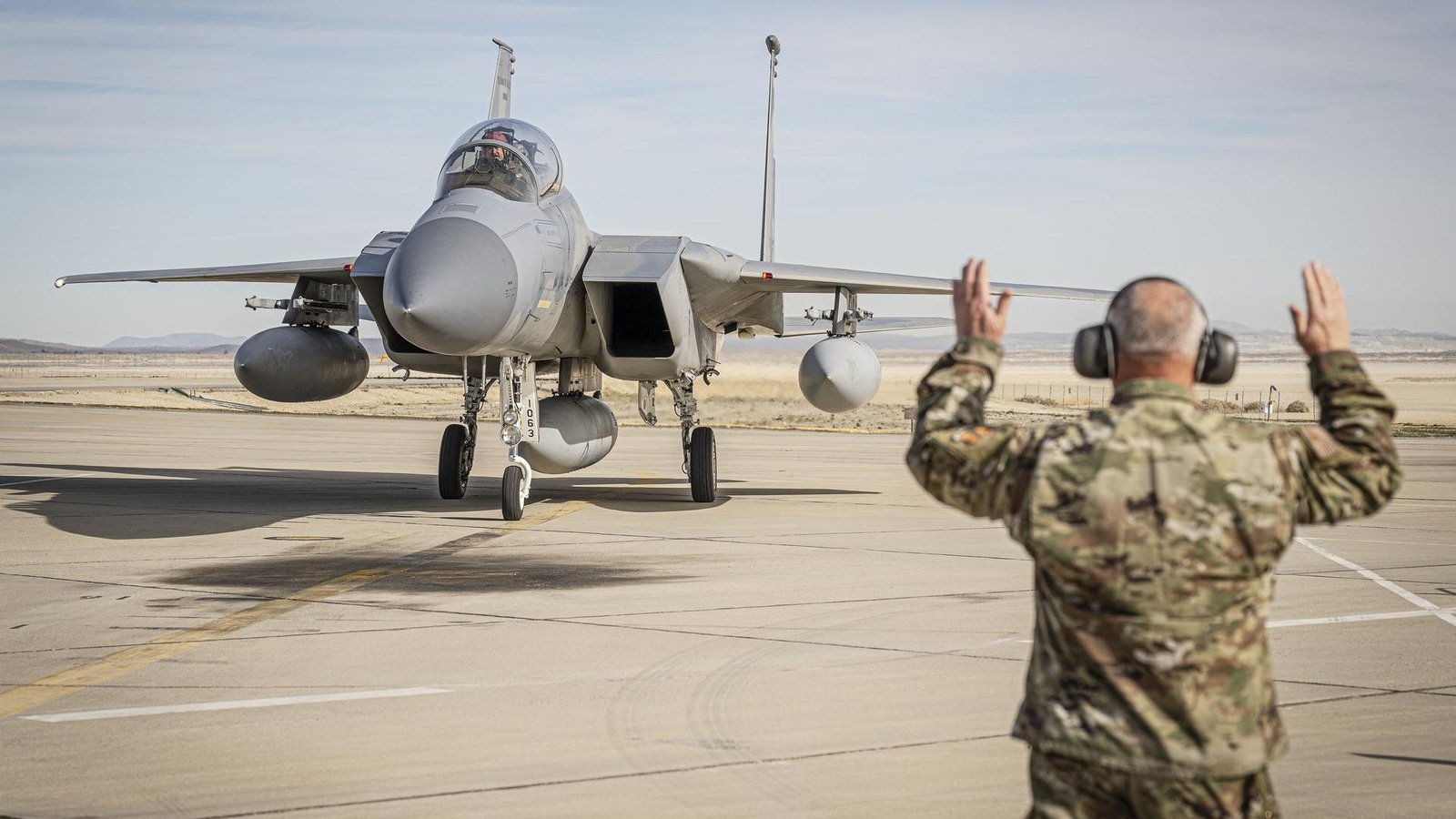
    NASA has made significant strides in its quest for quieter supersonic flights. It recently acquired two F-15 jets from the U.S. Air Force. These retired fighter jets will now serve in NASA’s flight research fleet at the Armstrong Flight Research Center in California’s Mojave Desert.

    One F-15 will fly again as a NASA aircraft, while the other will provide spare parts. With these aircraft, NASA will advance its work on the X-59, a groundbreaking supersonic jet designed to minimize sonic booms, making faster air travel a reality. This innovation could cut flight times across the U.S., benefiting travelers and numerous industries reliant on swift logistics.

    The F-15 jets have a rich history in NASA’s research programs. They previously carried instruments to measure shockwaves produced by the X-59. They also helped scientists visualize airflow using advanced Schlieren photography techniques. Such capabilities enhance understanding of air dynamics around supersonic aircraft.

    One F-15 will undergo modifications, adding new equipment for specialized research. While commercial aircraft typically cruise at altitudes of 30,000 to 40,000 feet, the F-15 can reach 60,000 feet. This altitude allows it to gather crucial data while following the X-59, which flies at 55,000 feet.

    NASA’s partnership with the F-15s dates back to the early 1970s. Over the decades, these aircraft have contributed significantly to aeronautics research. Successful tests of the X-59 continue to pave the way for the future of air travel.

    With each advancement, the vision of quiet, fast flights becomes closer to reality. This shift in air travel could enhance quality of life, saving time and transforming how we connect globally.

    Continue Your Tech Journey

    Stay informed on the revolutionary breakthroughs in Quantum Computing research.

    Access comprehensive resources on technology by visiting Wikipedia.

    SciV1

    Cosmos NASA Space VT1
    Share. Facebook Twitter Pinterest LinkedIn Tumblr Email
    Previous ArticleBoost Your Privacy: WhatsApp Unveils Advanced Security Mode!
    Next Article Sennheiser Unveils Exciting New Wired Headphones and Earbuds!
    Avatar photo
    Staff Reporter
    • Website

    John Marcelli is a staff writer for IO Tribune, with a passion for exploring and writing about the ever-evolving world of technology. From emerging trends to in-depth reviews of the latest gadgets, John stays at the forefront of innovation, delivering engaging content that informs and inspires readers. When he's not writing, he enjoys experimenting with new tech tools and diving into the digital landscape.

    Related Posts

    IOT

    Top Family Phone Plans to Watch in 2026

    March 8, 2026
    Science

    Creating Your Digital Twin: Revolutionizing Personalized Surgery

    March 8, 2026
    Crypto

    CryptoQuant Declares the Most Transparent Reserve Exchange

    March 8, 2026
    Add A Comment

    Comments are closed.

    Must Read

    Top Family Phone Plans to Watch in 2026

    March 8, 2026

    Creating Your Digital Twin: Revolutionizing Personalized Surgery

    March 8, 2026

    CryptoQuant Declares the Most Transparent Reserve Exchange

    March 8, 2026

    First-Ever Half-Möbius Molecule Unveiled

    March 8, 2026

    Behind the Black Box: How AI Explains Itself

    March 8, 2026
    Categories
    • AI
    • Crypto
    • Fashion Tech
    • Gadgets
    • IOT
    • OPED
    • Quantum
    • Science
    • Smart Cities
    • Space
    • Tech
    • Technology
    Most Popular

    Distraction-Free Magic: The E Ink Simulation Tablet

    March 20, 2025

    Grab the Mac Mini M4: Back on Sale for Just $499!

    January 12, 2026

    Seamless Driving: Bring Android Auto to Wear OS!

    May 5, 2025
    Our Picks

    XRP Bull Picks Up the Pieces as Price Plummets 22% in a Day!

    February 6, 2026

    Voices of Change: Fire, Frequency, and Heritage

    December 18, 2025

    Galaxy Z Flip 8 Camera Specs: A Familiar Face?

    January 12, 2026
    Categories
    • AI
    • Crypto
    • Fashion Tech
    • Gadgets
    • IOT
    • OPED
    • Quantum
    • Science
    • Smart Cities
    • Space
    • Tech
    • Technology
    • Privacy Policy
    • Disclaimer
    • Terms and Conditions
    • About Us
    • Contact us
    Copyright © 2025 Iotribune.comAll Rights Reserved.

    Type above and press Enter to search. Press Esc to cancel.