

Top Highlights
-
Historic Launch: NASA’s Artemis 2 SLS rocket is set for a 10-day lunar flyby mission on Feb. 8, carrying astronauts Reid Wiseman, Jeremy Hansen, Victor Glover, and Christina Koch aboard the Orion spacecraft.
-
Breaking Records: The mission will take humans 4,700 miles beyond the moon, surpassing the previous record of 158 miles held by Apollo 13.
-
Cultural Significance: Time magazine’s special issue highlights the crew and draws parallels between Artemis 2 and the iconic Apollo 8 mission, celebrating the uplifting impact of space travel.
-
Future Ambitions: NASA aims to solidify American dominance in space by establishing a lunar base by 2028, marking the start of an ambitious series of missions through the Artemis program.
NASA’s Artemis 2 Astronauts Celebrated on Time Magazine Cover
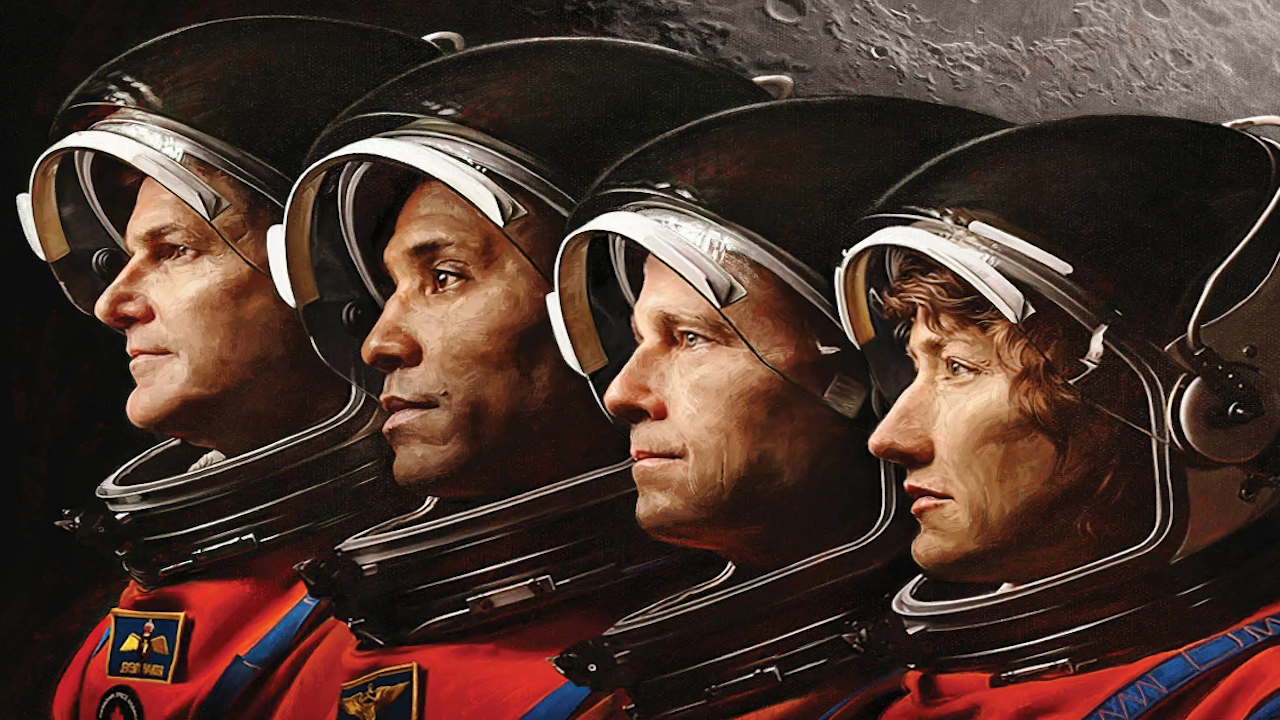
NASA’s Artemis 2 mission is on the brink of history. The Space Launch System rocket sits ready on Launch Pad 39B at Kennedy Space Center. Scheduled for liftoff on Feb. 8, this mission aims for a 10-day lunar flyby. The crew includes astronauts Reid Wiseman, Jeremy Hansen, Victor Glover, and Christina Koch, who will travel in the Orion spacecraft.
As excitement builds, Time magazine has released a special cover commemorating the astronauts. This issue, on newsstands since Jan. 30, features interviews and insights from seasoned journalist Jeffrey Kluger. His piece, titled “Back to the Moon,” offers a detailed look at the mission and its significance compared to the Apollo 8 mission.
Apollo 8, launched in 1968, was the first crewed mission to orbit the moon. Its success paved the way for Apollo 11’s historic landing in 1969. Kluger emphasizes the weight of Artemis 2, which will take astronauts farther into space than anyone has traveled before—4,700 miles past the moon.
NASA Administrator Jared Isaacman noted the mission’s pivotal role in space exploration. He stated that Artemis 2 would open a new era, aiming to land astronauts on the moon and establish a lunar base by the end of 2028. This advancement reinforces American leadership in space.
Moreover, Kluger highlights the emotional impact of missions like Artemis 2. He places it alongside iconic moments in space history. The mission could serve as a unifying force in today’s challenging times, just as Apollo 8 did decades ago. Kluger asserts that such missions resonate with the global community, offering hope and excitement.
In a world saturated with rapid technological advancements, Artemis 2 stands as a testament to human ingenuity. The mission not only aims to explore the cosmos but also inspires generations to come. As the crew prepares for this monumental journey, they become symbols of exploration and unity for the 8.3 billion people on Earth. The Artemis program reopens a critical chapter in space exploration, pushing the boundaries of what humanity can achieve.
Expand Your Tech Knowledge
Dive deeper into the world of Cryptocurrency and its impact on global finance.
Discover archived knowledge and digital history on the Internet Archive.
SciV1
