

Top Highlights
- Reservoir is developing smarter, energy-efficient water heaters with predictive features.
- New water heaters can help stabilize the power grid by storing hot water.
- The company’s models include leak detection, instant hot water, and cold weather safeguards.
- Pricing is competitive, with potential energy savings making them attractive to homeowners.
Revolutionizing Water Heating for Homes and the Grid
Water heaters often fade into the background of household appliances, but they hold significant power over energy use and safety. They account for about 18% of a home’s energy budget and are frequent causes of water damage. Despite this, most water heaters are simple devices that lack intelligence and efficiency. A new company, Reservoir, aims to change that.
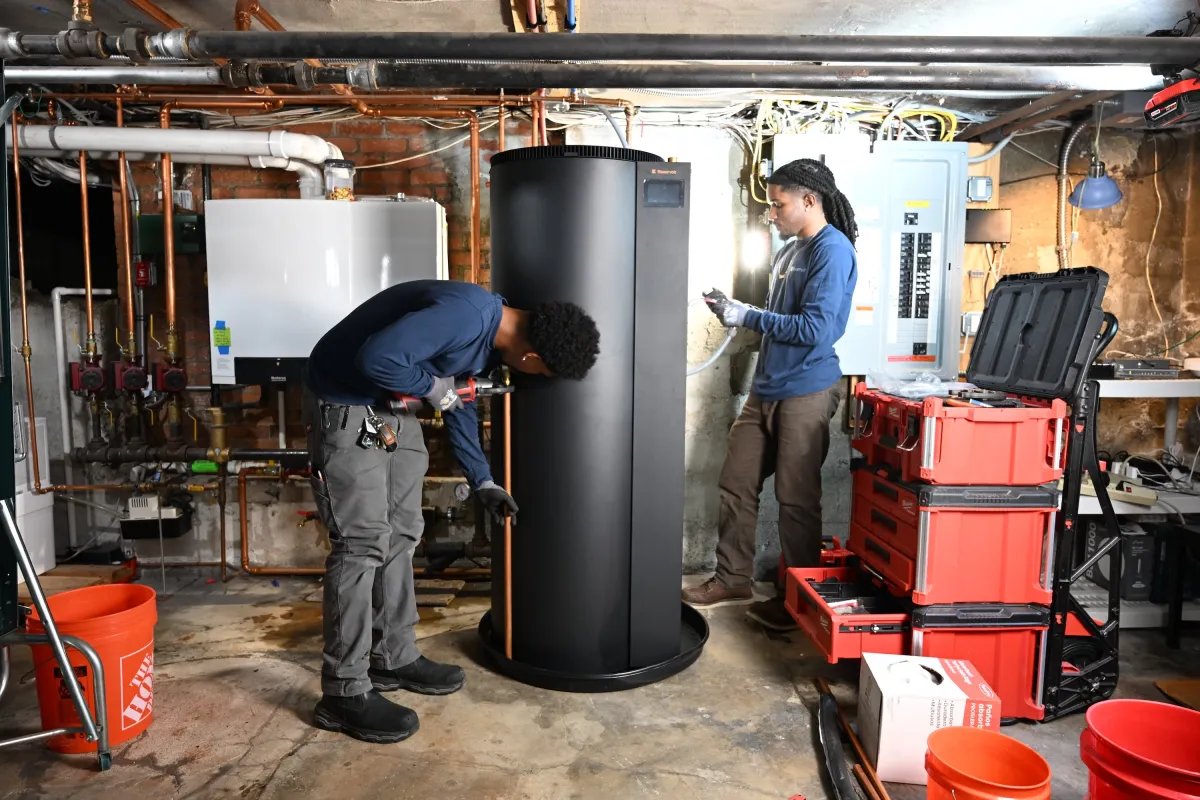
Reservoir has developed a smarter water heater, one designed to save energy and help the grid. The startup recently raised $8 million to expand its technology. The goal is to install more of these units in homes, especially in the Boston area. With about 100 units already in place, Reservoir plans to reach 1,000 by next year. Larger installations could mean storing enough hot water to help stabilize the entire electrical grid.
Reservoir’s water heater uses advanced technology to predict when hot water will be needed. It heats the water during times of low demand and when electricity is cheaper. Its heat pump is nearly four times more efficient than traditional electric water heaters. The device’s ability to store and release hot water on demand can reduce strain on the power grid and cut household energy bills. Utility programs could also pay Reservoir for managing large numbers of these heaters during peak times.
Features that Make a Difference
Reservoir did not create just another heat pump water heater. Instead, it built a product that people will want to choose. The company added features such as a leak detector that alerts homeowners to plumbing issues. It also offers an instant hot water recirculation system and a device to prevent pipes from freezing during cold weather.
These features are part of a strategy to make the water heater appealing to consumers. Reservoir sells two versions of its device. The “Core” model costs $5,000, and the “Max” offers extra functions at $6,500. Including installation, prices compete with existing options. The company also runs its own plumbing service to make replacement easier and faster.
The company emphasizes affordability and energy savings. Winston-Almanzar, Reservoir’s co-founder, highlights the importance of making eco-friendly technology practical for everyday use. He notes that Walmart and other stores do not typically sell technological upgrades. Instead, consumers buy what is familiar and affordable. Reservoir’s goal is to make a better product that is also accessible.
If Reservoir’s approach succeeds, it could propel heat pump water heaters into the mainstream. This shift would benefit homeowners and the environment by reducing energy use and easing grid stress. As this technology gains traction, it might finally turn water heaters from a forgotten appliance into a vital part of smarter, more sustainable homes.
Continue Your Tech Journey
Stay informed on the revolutionary breakthroughs in Quantum Computing research.
Discover archived knowledge and digital history on the Internet Archive.
TechV1
