

Summary Points
-
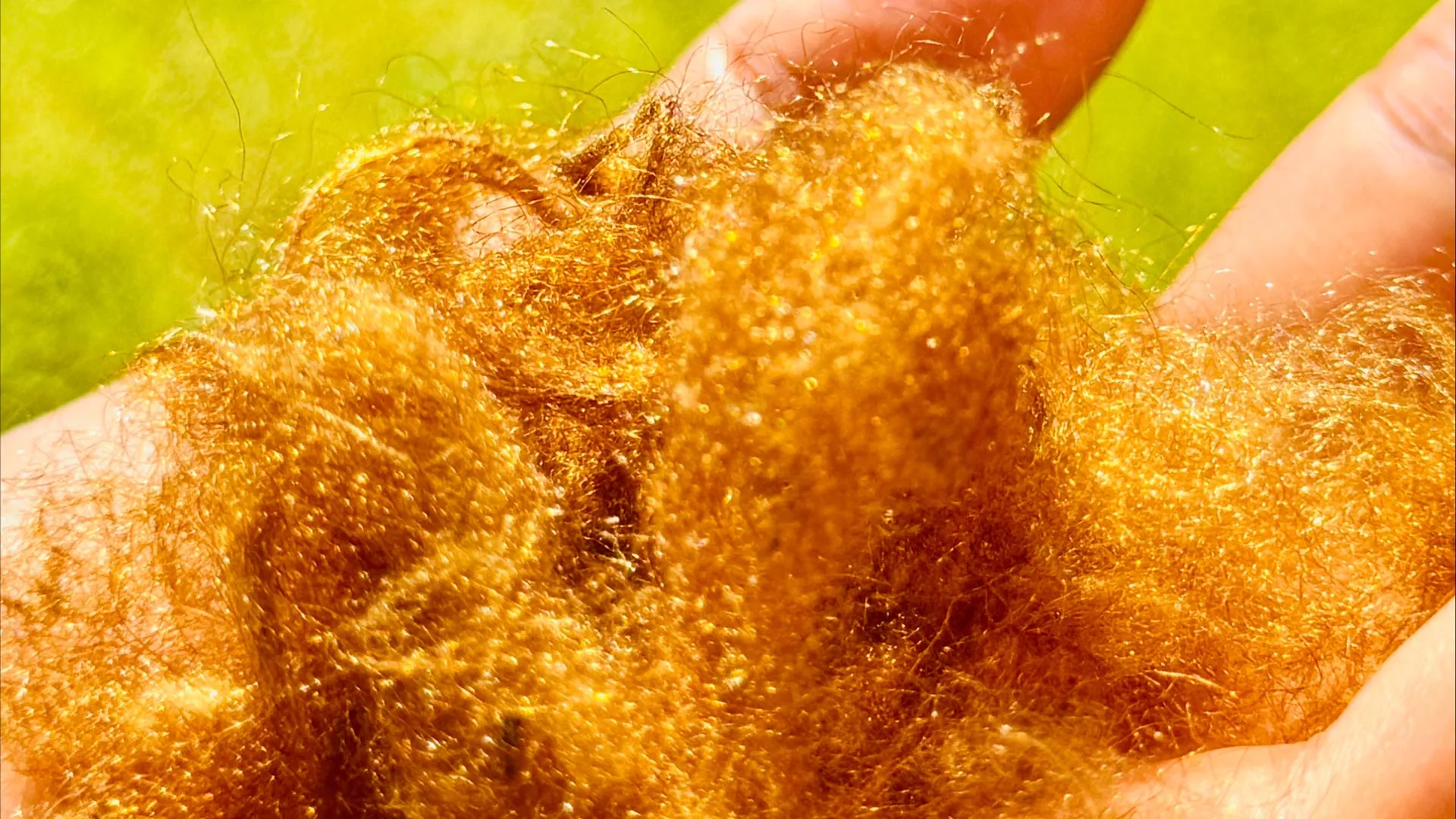
Recreation of Sea Silk: Researchers in South Korea successfully recreated the ancient luxury fabric sea silk using byssus threads from the Atrina pectinata clam, traditionally a staple of emperors and popes.
-
Environmental Impact: The decline of the Pinna nobilis clam due to pollution led to a ban on harvesting, turning sea silk into a rare artifact. The new method using Atrina pectinata offers a sustainable alternative.
-
Scientific Breakthrough in Color: The longstanding golden color of sea silk is attributed to structural coloration from a protein called “photonin,” which reflects light rather than relying on dyes, ensuring longevity and resistance to fading.
-
Sustainable Luxury Development: This innovation not only transforms marine waste into a valuable textile but also paves the way for sustainable materials in fashion, highlighting the potential for environmentally friendly textiles that uphold cultural significance.
A Timeless Treasure Reimagined
A golden fabric, known as sea silk, has returned after 2,000 years. Originally coveted by emperors and popes, this rare material exemplifies luxury and history. Researchers in South Korea, led by experts in environmental science, used the byssus threads from a pen shell to recreate this shimmering fabric. They discovered that these threads resemble the ancient sea silk fibers both physically and chemically.
The Postech team not only brought back the appearance of sea silk but also uncovered its secret to longevity. Unlike common fabrics, sea silk’s golden hue stems from structural coloration. This means that tiny, nanoscale structures reflect light, creating iridescence without relying on dyes. As a result, sea silk retains its brilliance for centuries, making it an extraordinary specimen of sustainable luxury.
Bridging Past and Present
The revival of sea silk opens up possibilities for sustainable fashion. Researchers turned discarded pen shell byssus into a valuable textile, addressing marine waste concerns while adding cultural significance. This innovative approach highlights an opportunity to blend technology with tradition. It proposes a future where luxury does not compromise the environment.
Furthermore, the enduring nature of sea silk raises questions about widespread adoption. The use of structurally colored textiles could lead to lasting solutions in the fashion industry, free from harmful chemicals. As businesses and consumers become more eco-conscious, the demand for sustainable alternatives is likely to grow. Thus, the recreation of this legendary fabric marks not only a return to history but also a step toward a more responsible future in textiles.
Continue Your Tech Journey
Explore the future of technology with our detailed insights on Artificial Intelligence.
Explore past and present digital transformations on the Internet Archive.
TechV1
