

Quick Takeaways
-
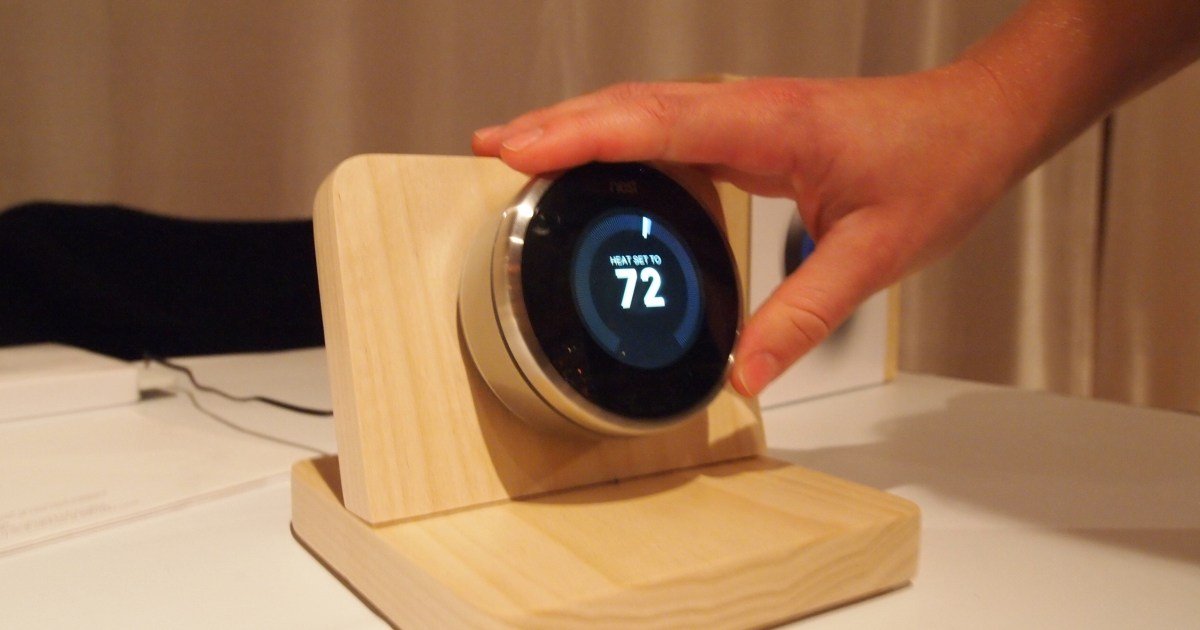
End of Support: Google will terminate support for the first two generations of Nest Learning Thermostats on October 25, 2025, effectively removing their "smart" capabilities like remote control via apps.
-
Limited Functionality: While basic features like schedules will still work, users must control them manually, and the promise of discounts on newer models may not offset the dissatisfaction from losing existing functionality.
-
Customer Discontent: Users have expressed outrage over the decision, feeling it undermines their ownership of the devices and limits their choices regarding security and functionality.
- Shift in Perspective: The article suggests viewing smart home devices as appliances that may require replacement over time, rather than long-lasting tech, echoing a broader concern about the evolving nature of product support and consumer rights.
The End of Support: A Closer Look
Google’s recent announcement regarding the Nest Learning Thermostat has sent ripples through the smart home community. As of October 25, 2025, the first and second generations will no longer receive software updates. This decision strips these devices of their “smart” capabilities, as users lose mobile and voice controls. While the units will still function as traditional thermostats, this change feels like a significant loss for early adopters. Google stated that support has become challenging due to aging hardware. However, most consumers expect their electronics to last longer than 14 years.
This situation raises concerns about planned obsolescence. When people invest in smart technology, they often assume it will remain functional for a reasonable period. Yet, as recent history shows, companies prioritize newer products over older ones, leaving users in the lurch. Google offers discounts on the latest Nest models, but many view this as a frustrating solution. It feels like a fee for using technology they already purchased.
Reevaluating Smart Home Technology
This scenario challenges how we perceive smart home devices. Traditionally, we regard appliances like toasters or mixers as tools to simplify everyday tasks. However, we don’t typically expect manufacturers to strip away their primary functionalities after a set period. Smart home devices, like Google’s Nest, require consideration as more than just gadgets. Their vulnerability to cyberattacks heightens the stakes, making companies more cautious about extending support.
Users have voiced their dissatisfaction on social media, suggesting companies should allow continued operation, even at the risk of security vulnerabilities. This perspective raises important questions about ownership. If individuals have purchased a device, shouldn’t they determine how and when to use it? Moreover, incidents like the demise of Lowe’s Iris platform highlight the risks of reliance on unsupported technology.
As more consumers embrace smart home solutions, the implications of Google’s decision become clearer. It urges us to reconsider our relationship with technology. Are we simply renters of devices, subject to the whims of corporations? This question deserves attention as we navigate the evolving landscape of smart home technology.
Discover More Technology Insights
Stay informed on the revolutionary breakthroughs in Quantum Computing research.
Stay inspired by the vast knowledge available on Wikipedia.
TechV1
