

Top Highlights
-
Final Phase of Boxwork Campaign: The team is concluding their investigation of the boxwork unit’s contacts with the layered sulfate unit, transitioning back and forth between these geological features.
-
Target Analyses: Recent activities included imaging and analyzing various geological targets named after South American locations, such as “Piedras Bonitas” and “La Calera,” contributing to our understanding of the area’s composition.
-
Mastcam Mosaics: The team captured multiple mosaics to aid in understanding the boxwork unit’s origins, including extensive coverage of its southern contact and detailed stratigraphy studies.
-
Environmental Monitoring: Ongoing atmospheric dust monitoring complements the geological studies, with the team planning a 23-meter drive closer to exiting the boxwork unit, marking the bittersweet end of the campaign.
Curiosity Rover Explores Martian Terrain, Collects Valuable Data
NASA’s Curiosity rover continues to make strides in its exploration of Mars, focusing on the unique geological features known as the boxwork unit. Over the past week, Curiosity has driven across this intriguing terrain, blending science with adventure.
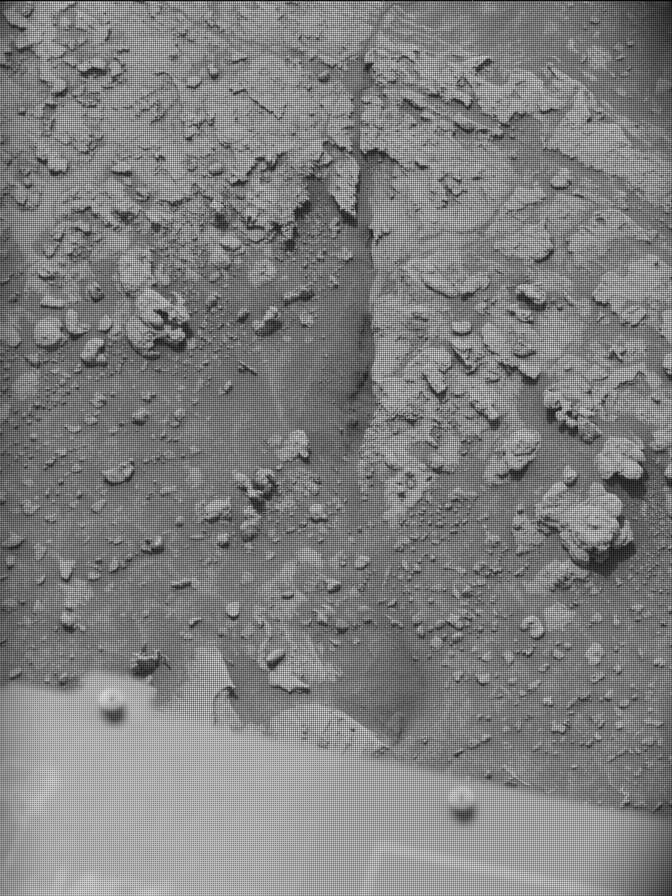
On March 13, 2026, the rover began its final phase of investigating the boxwork’s connections to the layered sulfate unit. Last week, Curiosity transitioned back and forth between these two geological formations. Now, the rover is heading southward across a smoother part of the boxwork. This area appears less distinct than the previous drill sites but still holds significant scientific promise.
Curiosity’s recent tasks were ambitious. The rover’s MAHLI camera captured images of two significant targets named after geographical locations in the Andes: “Piedras Bonitas” and “La Calera.” The latter, composed of brushed bedrock, underwent further analysis using the Alpha Particle X-ray Spectrometer (APXS). In addition, the rover examined nodular formations at sites dubbed “Jaruma” and “Constancia.” These analyses provide crucial insights into the Martian surface.
Mastcam also played a pivotal role this week. As the science campaign nears its end, the demand for imaging increases. Curiosity acquired detailed mosaics, including an 18-frame mosaic and another expansive 19-frame mosaic named “El Misti.” These images will enhance our understanding of the boxwork unit’s origins and evolution.
Moreover, environmental monitoring remains a priority. Curiosity continues to track atmospheric conditions, using tools like Navcam dust-devil surveys and Mastcam tau measurements. This data helps scientists gauge Mars’ dust levels, essential for future missions.
Looking ahead, Curiosity plans to drive approximately 23 meters to the west-southwest. As the rover nears the conclusion of its boxwork campaign, the team reflects on the wealth of data collected. The “Fracture Townies,” the working group devoted to the boxwork unit, expresses a mix of nostalgia and excitement for the future.
Through this exploration, Curiosity contributes to advancements in technology and knowledge that may one day improve life on Earth. Each finding enhances our understanding of Mars and deepens our connection to this distant world.
Continue Your Tech Journey
Stay informed on the revolutionary breakthroughs in Quantum Computing research.
Explore past and present digital transformations on the Internet Archive.
SciV1
