

Quick Takeaways
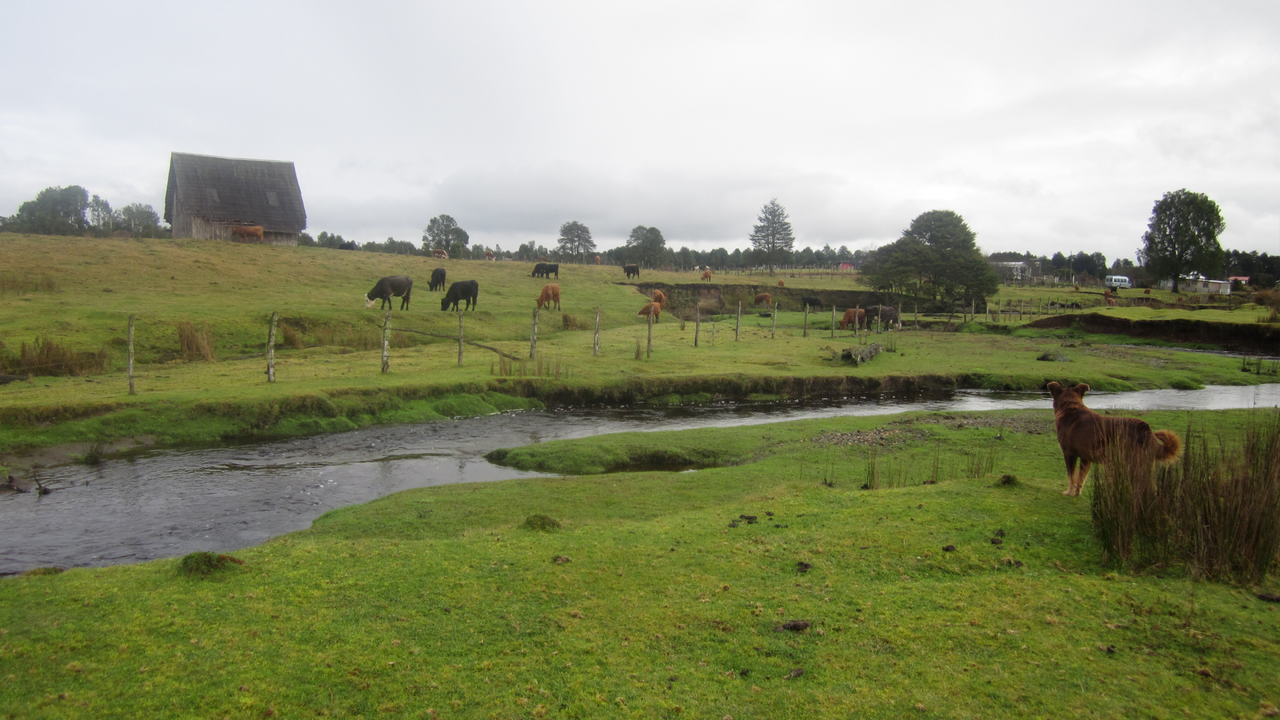
1. New research challenges the 14,500-year-old date of Monte Verde, suggesting it may be only 4,200-8,200 years old.
2. Critics argue that geological and archaeological methods used in the study are flawed, questioning the site’s reinterpretation.
3. Despite the dispute, the site remains pivotal in understanding early human migration, supporting coastal routes into the Americas.
4. The debate underscores ongoing conflicts in archaeology regarding dating techniques and the timeline of human arrival in the New World.
Reevaluating Monte Verde’s Age Sparks Debate
Recent research suggests that the famous Monte Verde site in southern Chile is much younger than previously believed. Historically, evidence from the site indicated human activity about 14,500 years ago. This early date helped prove that people might have reached South America earlier than thought, possibly by coastal routes. However, a new study challenges this timeline. The team studying Monte Verde argues that the site is only about 4,200 to 8,200 years old. They base this on geological analysis, particularly the layer of volcanic ash, known as tephra, found near the site. This tephra, dated to about 11,000 years ago, suggests that the site might be younger than initially believed. Critics, however, question these methods. They say that the geological work was poorly done and that these older dates could be from materials moved from elsewhere. The debate continues as scientists seek to better understand when humans first arrived in South America.
Differing Views Impact the Human Journey’s Narrative
Supporters of the original 14,500-year date believe Monte Verde was crucial in shaping understanding of early human migration. It was seen as clear evidence that people used coastal routes in the Americas. This challenged the traditional idea that early Americans crossed an ice-free corridor around 13,000 years ago. Critics of the new study, meanwhile, argue that the geological work was flawed and that the site remains an important piece of history. Some experts note that multiple sites across North and Central America show humans there before the Clovis culture appeared. Regardless of the new dating, most agree that the movement of early peoples into the Americas was complex and extended over thousands of years. This ongoing debate highlights the importance of rigorous scientific work and open dialogue in understanding human history. As research continues, scholars hope to finally piece together a clearer picture of how early humans explored and settled the New World.
Discover More Technology Insights
Learn how the Internet of Things (IoT) is transforming everyday life.
Access comprehensive resources on space and science by visiting NASA.
SciV1
