

Top Highlights
-
Treated Wastewater Use: In water-scarce regions, farmers increasingly use treated wastewater for irrigation, prompting concerns about trace substances, particularly psychoactive medications.
-
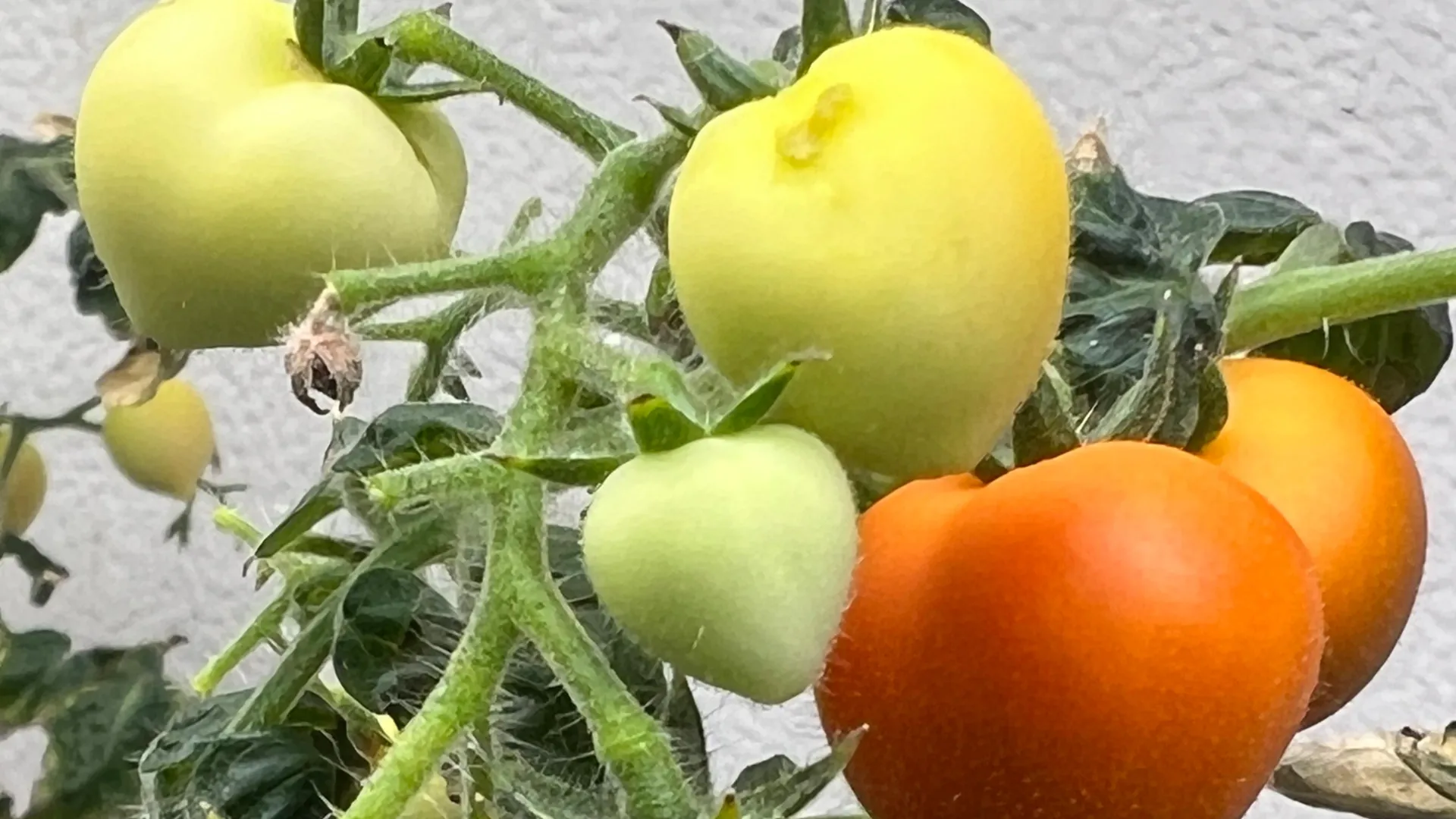
Plant Storage Patterns: Research from Johns Hopkins reveals that certain crops, like tomatoes and carrots, primarily accumulate these pharmaceuticals in their leaves, not in the edible parts.
-
Absorption Mechanism: The study shows that water transport in plants facilitates the movement of medications; as water evaporates from leaves, drug compounds are left behind, leading to their buildup.
-
Regulatory Implications: Understanding how different medications concentrate in various plant tissues is essential for assessing health risks and guiding future regulations on wastewater use in agriculture.
Understanding the Impact of Wastewater Irrigation
In regions with scarce freshwater supplies, farmers often turn to treated wastewater for irrigation. This practice conserves vital water resources. However, it raises significant concerns among regulators and consumers alike. Treated wastewater may contain trace amounts of various substances, including psychiatric medications. Recent research reveals that some crops, such as tomatoes, carrots, and lettuce, absorb these chemicals primarily in their leaves. This finding could ease some concerns, as most people consume fruits and roots rather than leaves. Yet, understanding the implications of this absorption is crucial for both farmers and consumers.
Researchers at Johns Hopkins University studied how these medications affect plant tissues. By examining crops grown in controlled environments, scientists tracked the uptake and distribution of four common psychoactive drugs. They discovered that drug compounds mostly concentrated in the leaves. For example, tomato leaves had over 200 times the concentration found in the fruit. This pattern of accumulation raises questions about potential health risks. However, experts caution against jumping to conclusions. The presence of these compounds does not necessarily imply that they will have harmful effects when consumed.
Guiding Future Agricultural Practices
The way water flows through plants plays a significant role in how these drugs accumulate. As water transports nutrients, it carries along pharmaceutical compounds. When water evaporates through leaf openings, these compounds become trapped in plant tissues, posing a challenge for the plant to eliminate them. Different medications behave differently, with some accumulating more than others. Understanding which substances build up in edible parts of plants could guide future regulatory assessments.
Ultimately, the findings emphasize the importance of studying both original drugs and their byproducts. By identifying the compounds that pose potential risks, regulators can create informed safety guidelines. This research not only sheds light on the complexities of using treated wastewater but also contributes to a broader conversation about sustainability in agriculture. As we face growing water shortages, the responsible use of treated wastewater could play a key role in addressing global food security while ensuring public health is safeguarded.
Continue Your Tech Journey
Learn how the Internet of Things (IoT) is transforming everyday life.
Access comprehensive resources on technology by visiting Wikipedia.
TechV1
