

Top Highlights
-
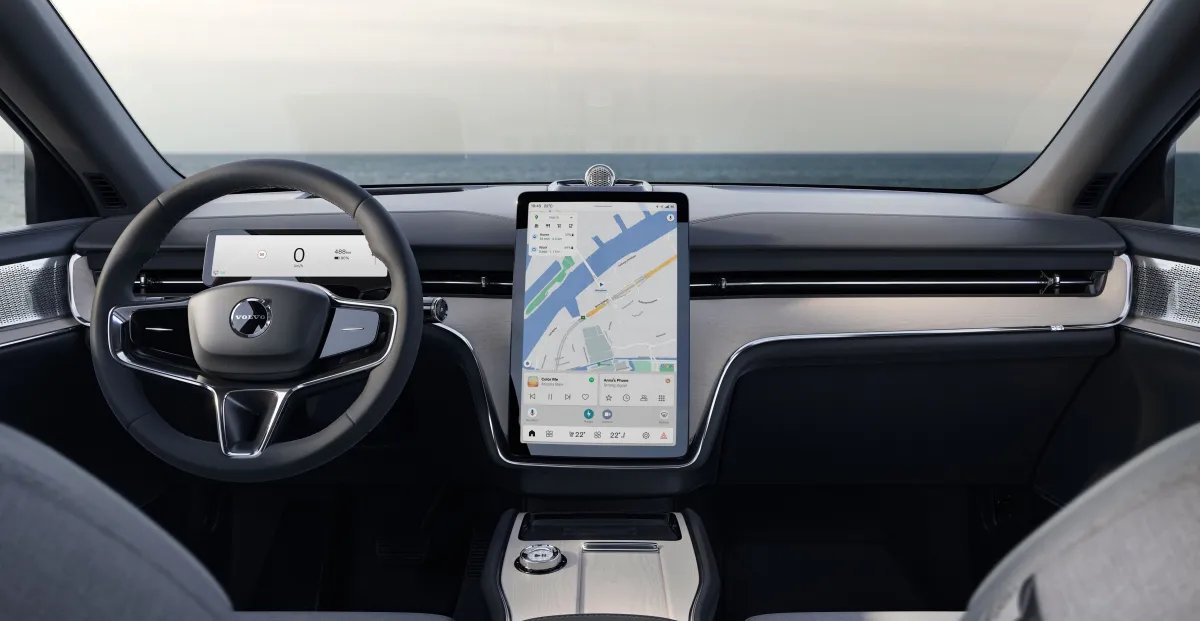
Expanded Android Automotive: Google unveiled a new version of Android Automotive, extending its capabilities from infotainment to include non-safety vehicle functions, aiming to become the industry’s primary software provider.
-
Cohesive Driver Experience: The enhanced OS promises a unified experience for users with faster updates, improved voice assistants, and proactive maintenance alerts, making vehicles an extension of their digital lives.
-
Cost Reduction for Automakers: The new system is designed to lower software development costs for car manufacturers, allowing them to focus on branding while benefiting from a standardized software foundation.
-
Industry Partnerships: Google is collaborating with automakers like Renault Group and Qualcomm to integrate this software into various vehicles, competing with Apple for greater control over vehicle software development.
The New Frontier of Automotive Technology
Google’s recent announcement about Android Automotive marks a pivotal shift in how we interact with cars. Previously, this software only enhanced the car’s infotainment system. Now, it’s moving deeper into the vehicle’s internal computer system. This transition promises a more unified user experience. Drivers will see faster updates and improved functionalities. Technologies like integrated voice controls and reminders for car maintenance will create a seamless connection between our digital lives and our vehicles. As cars increasingly transform into “computers on wheels,” the need for cohesive software becomes paramount. Today, many car manufacturers rely on varied software from numerous suppliers, leading to a fragmented experience.
By establishing itself as a key software provider, Google aims to tackle this fragmentation. It offers a solution that not only simplifies software development for automakers but also grants them the freedom to focus on innovation. With a common platform, manufacturers can design tailored experiences that resonate with their brand image. This software overhaul aligns with broader industry trends, where both Google and Apple now compete fiercely for dominance in automotive technology, each encouraging manufacturers to rethink their software strategies.
Implications for the Automotive Landscape
The implications for widespread adoption of Google’s Android Automotive system are significant. As consumers demand smarter, more connected vehicles, automakers will likely find it beneficial to partner with a well-established software provider. Google’s promise of cost-effective development and quicker integration of advanced features cannot be overlooked. Automakers like Renault Group and Qualcomm are already onboard, highlighting the potential for future collaborations.
This shift also brings up questions about control and user experience. While Google strives to enhance the driving experience, the industry should remain vigilant about data privacy and security. Trust will be essential as vehicles increasingly rely on cloud-based services. Ultimately, this type of integration may redefine our relationship with cars, moving beyond mere transportation to something more immersive and interconnected. As this technology evolves, the automotive industry stands on the brink of a transformation that could enrich our daily lives.
Stay Ahead with the Latest Tech Trends
Learn how the Internet of Things (IoT) is transforming everyday life.
Discover archived knowledge and digital history on the Internet Archive.
TechV1
