

Top Highlights
-
Interstellar Mission: In “Project Hail Mary,” humanity’s last attempt to save Earth involves sending a ship to Tau Ceti, seeking a life-saving microbe from an alien world.
-
Habitable Planets: A new study identifies the 45 known exoplanets most likely to support life, emphasizing the search around smaller, cooler stars where rocky planets thrive.
-
Life Criteria: For a planet to be considered habitable, it must have a rocky surface and fall within the “habitable zone” where liquid water can exist.
-
Exploration Candidates: Promising targets for life exploration include the TRAPPIST-1 system, TOI-715, and Proxima Centauri, with a focus on fostering creativity and new perspectives in the search for extraterrestrial life.
Where Should We Send a Real ‘Hail Mary’ Spacecraft? A New Study Has the Answers
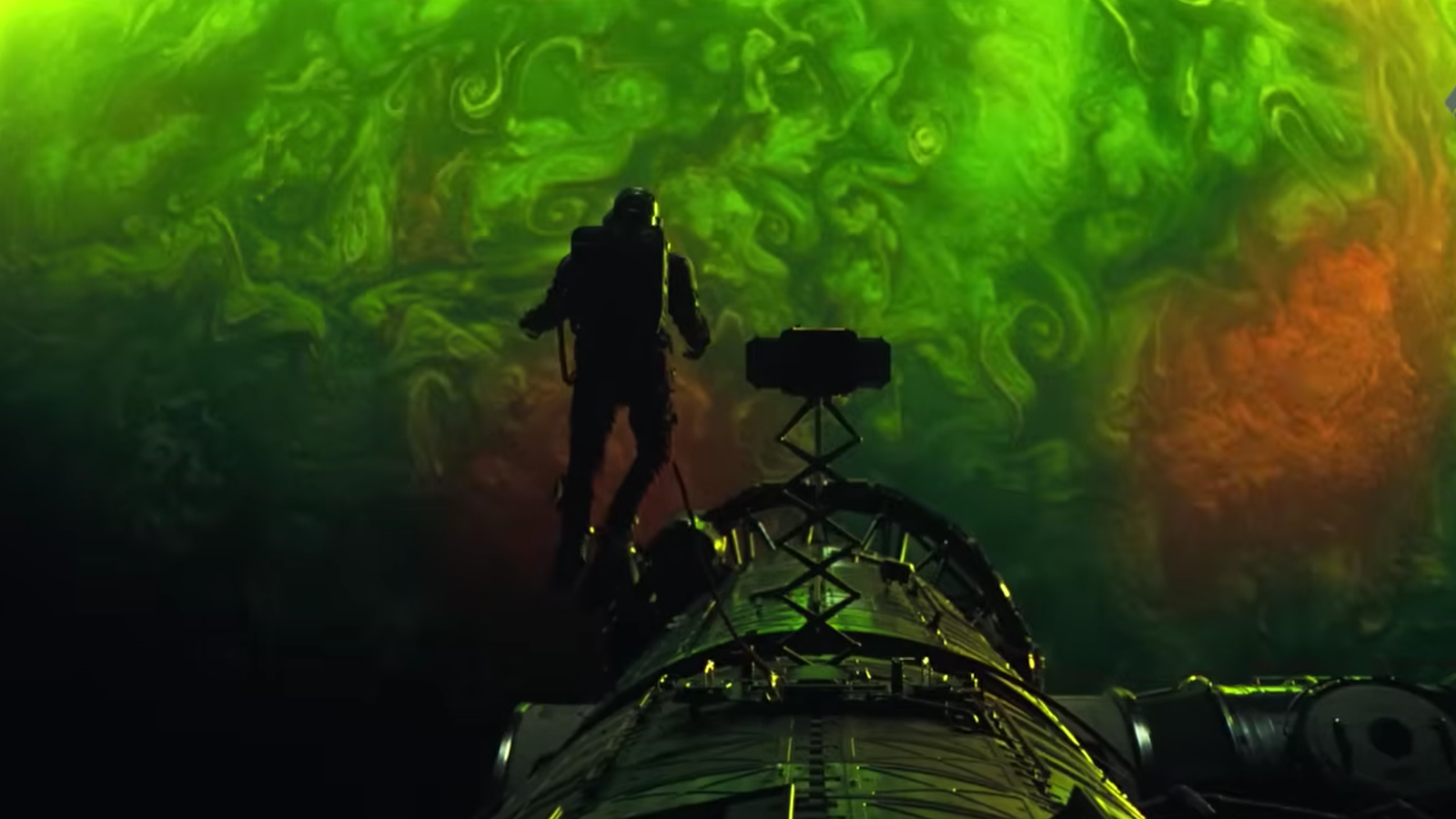
In the realm of space exploration, the question of where to search for extraterrestrial life grows more pressing. A recent study provides new insights into this exciting pursuit. Researchers examined 45 known exoplanets that could potentially support life. They aim to guide future missions, similar to the interstellar ship depicted in the film Project Hail Mary.
Astronomers often use the “transit method” to locate exoplanets. This involves measuring starlight dimming when a planet crosses in front of its star. Alternatively, scientists can detect a star’s “wobble,” which indicates gravitational pulls from orbiting planets.
While over 6,000 exoplanets have been identified, many are deemed uninhabitable. Scientists find that “hot Jupiters,” massive gaseous planets close to their stars, dominate these discoveries. However, such planets are unlikely hosts for life. The focus now shifts to smaller stars with rocky planets in their habitable zones.
For a planet to be considered a potential candidate for life, it must have a solid surface and lie within a specific distance from its star, allowing for liquid water. Unfortunately, researchers have determined that Tau Ceti, a popular target, likely does not possess habitable planets after all. Fortunately, this reduces the risk of encountering fictional threats like the sun-eating astrophage from Project Hail Mary.
So, where should scientists direct their efforts? The TRAPPIST-1 system emerges as a leading candidate. It features seven rocky planets located in their habitable zone, making it a prime area for the James Webb Space Telescope to investigate.
Another option is TOI-715, which harbors a “super-Earth” known as TOI-715 b. This planet is three times the mass of Earth and orbits within its star’s habitable zone. However, it resides a whopping 139 light-years away, posing a challenge for future missions.
In closer proximity, the Proxima Centauri system is a compelling target. At only 4.25 light years away, it boasts an Earth-like planet resting in its habitable zone.
Additionally, the study highlights 24 other planets at the margins of habitability. These “planets on the edge” are intriguing as they might host life forms that adapt to conditions that do not allow for liquid water. This possibility draws parallels to the movie’s alien Rocky, suggesting that life can flourish in unexpected environments.
Ultimately, the study emphasizes the importance of a creative approach in the search for extraterrestrial life. While focusing on the best candidates is crucial, maintaining an imaginative perspective can lead to groundbreaking discoveries. The next steps in exploring our universe might unveil mysteries beyond our wildest dreams.
Continue Your Tech Journey
Explore the future of technology with our detailed insights on Artificial Intelligence.
Explore past and present digital transformations on the Internet Archive.
SciV1
