

Essential Insights
-
Doolysaurus Discovery: A juvenile dinosaur species named Doolysaurus huhmini was identified in South Korea, marking the first new species in 15 years and featuring skull fragments—an essential first for the country’s fossils.
-
CT Scanning Innovation: Researchers utilized micro-CT scanning to reveal hidden details of the fossil, significantly speeding up the analysis process and enhancing the study of delicate fossils trapped in rock.
-
Connection to Culture: The dinosaur is named after Dooly, a beloved cartoon character in Korea, with the species name honoring Korean paleontologist Min Huh for his contributions to dinosaur research.
-
Fossil Potential: The discovery includes evidence of an omnivorous diet through gastroliths, and researchers are optimistic about uncovering more hidden dinosaur bones in South Korea with advanced scanning techniques.
The Cute Surprise from Aphae Island
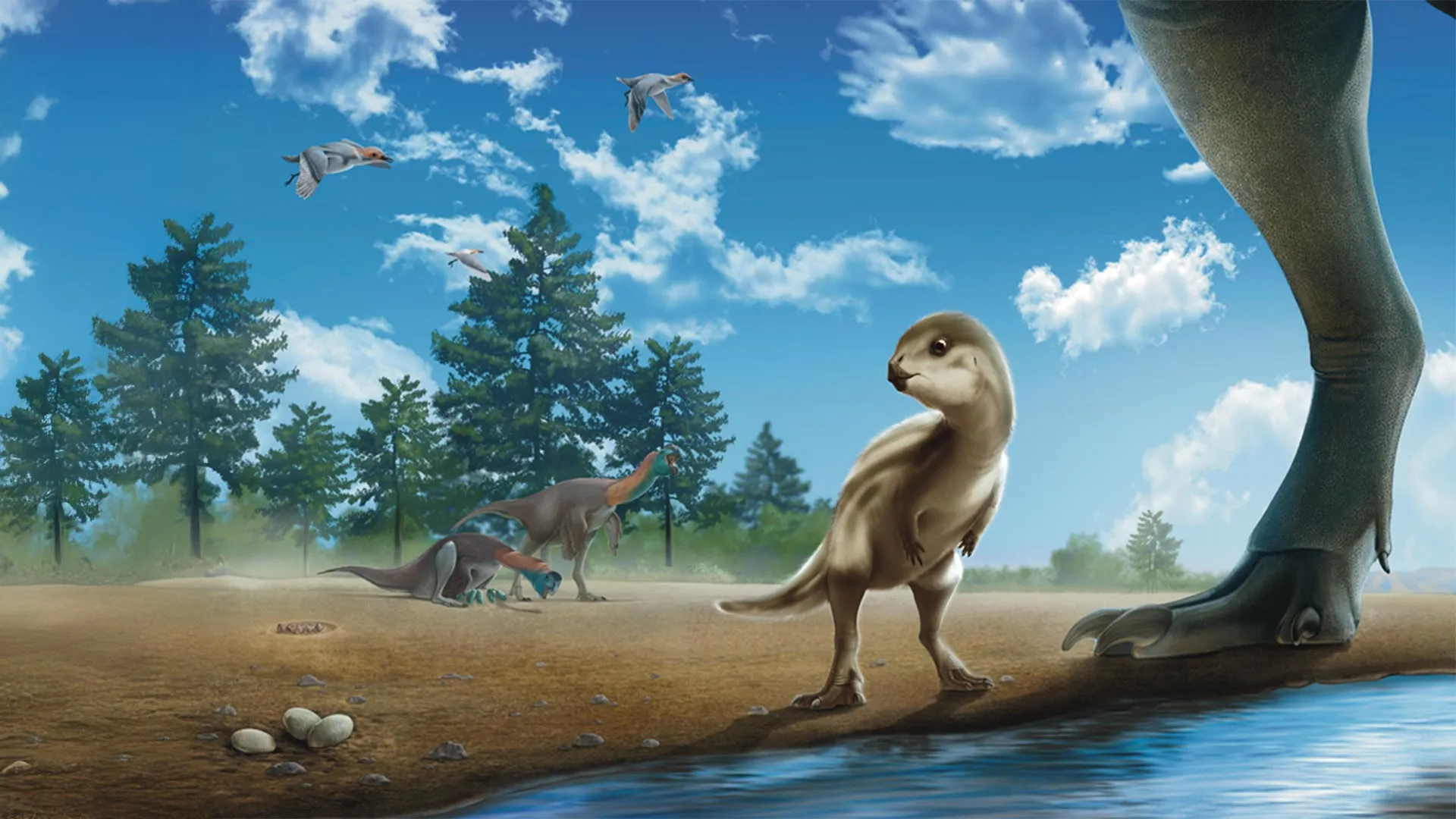
Recently, paleontologists made a remarkable discovery on Aphae Island in South Korea. They uncovered a baby dinosaur, later named Doolysaurus huhmini, after a beloved cartoon character named Dooly. This find represents the first new dinosaur species identified in South Korea in 15 years. Jongyun Jung, the lead researcher, highlighted the cultural significance of the name, stating that “Every generation in Korea knows this character.” The dinosaur, measuring about the size of a turkey, likely sported soft, fuzzy filaments, which some scientists describe as “cute,” even likening it to a little lamb.
The revelation of this juvenile specimen excited researchers. Initially, they observed only a few leg bones and vertebrae. However, advanced micro-CT scanning unveiled hidden skull fragments and more bones within the rock. This technique speeded up the process, allowing scientists to visualize the full skeleton in just a few months rather than years. The excitement was palpable when previously unimagined details emerged, enriching not only the dinosaur’s profile but also our understanding of its era.
Pioneering Research Techniques and Future Prospects
The discovery not only illuminates a new chapter in South Korea’s paleontological research but also pushes the boundaries of technology in the field. Researchers utilized CT scanning to examine delicate fossils, proving essential for studies involving fragile specimens. As they delve deeper into the fossil, they glean insights about what Doolysaurus might have eaten. The presence of gastroliths indicates an omnivorous diet, consisting of plants, insects, and small animals. This finding suggests that more mysteries lie hidden in the rocks.
Looking ahead, Jung and his team aim to apply the same CT scanning techniques to other potential fossils in South Korea. It’s an exciting time for paleontology in the country, known for its fossilized dinosaur tracks and nests. As technology advances, researchers remain optimistic that more discoveries await. They expect new dinosaur specimens and further treasures buried in the geological landscape of Aphae Island and beyond. The journey of exploration continues, merging the wonders of the past with the innovations of the present.
Expand Your Tech Knowledge
Dive deeper into the world of Cryptocurrency and its impact on global finance.
Access comprehensive resources on technology by visiting Wikipedia.
TechV1
