

Top Highlights
- Google’s Project Ara aimed to revolutionize smartphones with modular design for easy upgrades, promoting sustainability and user ownership, but was ultimately abandoned due to industry complexity and lack of incentives.
- Had it succeeded, Project Ara could have set new standards for repairability and sustainability, reducing electronic waste and empowering consumers to upgrade specific parts rather than replacing entire devices.
- Its failure was driven by the need for industry-wide ecosystem development, standardization, and company investment, which proved unfeasible due to limited consumer adoption and profitability concerns.
- Today’s examples like Fairphone show some progress in repairability, but the envisioned modular future remains unrealized, leaving many longing for a device that adapts and evolves with the user.
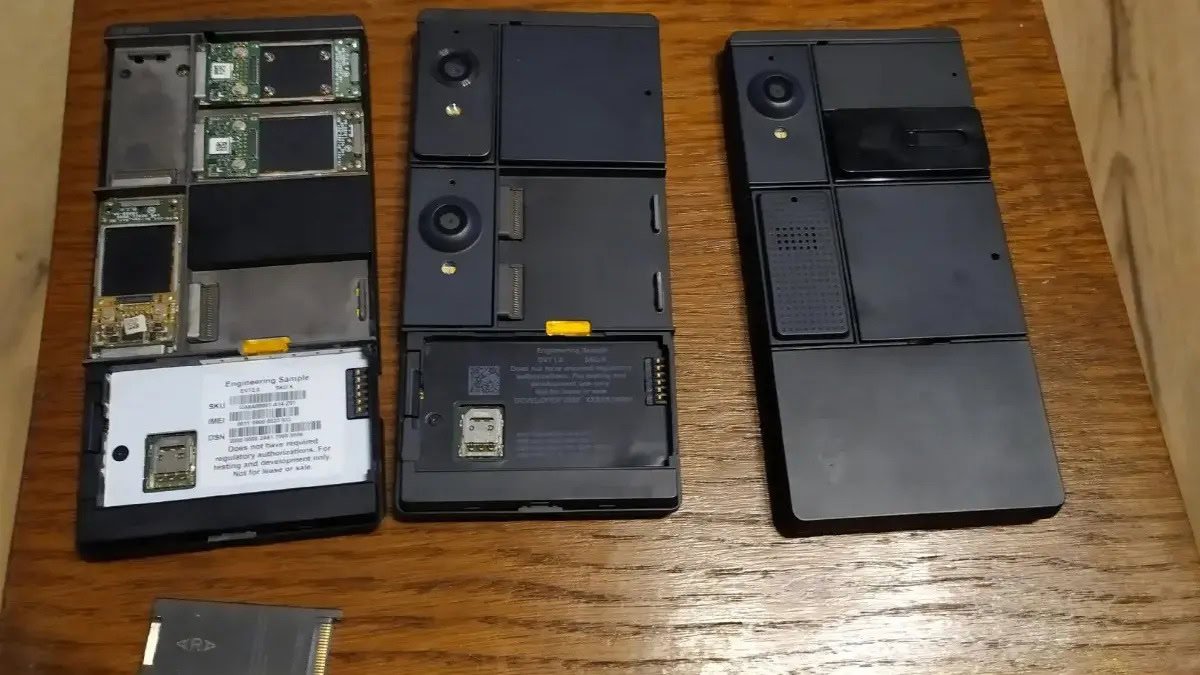
Ten years after Google’s ambitious Project Ara was announced, no phone has fully realized its promise. This innovative idea aimed to bring the customization and upgradeability of a PC to our smartphones. The thought was simple yet revolutionary: upgrade only the parts that needed it, rather than replacing the entire device. It felt like the future of tech—more sustainable, more personal, and more cost-effective.
However, despite the excitement, smartphone makers moved in the opposite direction. Instead of creating modular phones, many companies made repairability harder. Today, devices are sealed tight, and replacing individual parts is often impossible or costly. This shift has disappointed many tech enthusiasts who long for the days of tinkering and customization.
Imagine if Project Ara had succeeded. We might have seen a new standard that prioritized environmental sustainability and local upgrades. Consumers could have replaced outdated parts like cameras or batteries easily. Such a system would have encouraged responsible tech use and cut down on electronic waste. Plus, it could have empowered users, giving them ownership over their devices — a stark contrast to the current “disposable” trend.
Furthermore, modular phones could have sparked healthier competition among manufacturers. Imagine yearly awards for the most repairable device, pushing companies to innovate in durability and sustainability. It could have driven the industry toward more eco-friendly materials and designs, aligning with global environmental goals.
But creating such a future wasn’t simple. The industry faced hurdles from the start. Building a universal system of connectors and modules would require extensive collaboration among companies. Motorola’s Moto Mods, an attempt at modularity, showed how difficult it was to maintain momentum. Without enough users and investment, these ideas lost steam, and the dream faded.
Today, a few brands like Fairphone try to bring repairability and some modularity to the market. Still, their solutions are limited and lack the versatility that Project Ara envisioned. As a result, most devices continue to follow a closed design model that discourages upgrades and repairs.
Despite these setbacks, the longing remains. Every time we replace a perfectly working phone just for new features or the latest look, our minds drift back to the vision of a more adaptable and sustainable tech future. Perhaps, even now, the spirit of Project Ara inspires engineers and consumers alike—to imagine a world where our devices grow and evolve with us.
Expand Your Tech Knowledge
Dive deeper into the world of Cryptocurrency and its impact on global finance.
Discover archived knowledge and digital history on the Internet Archive.
GadgetsV1
