

Quick Takeaways
-
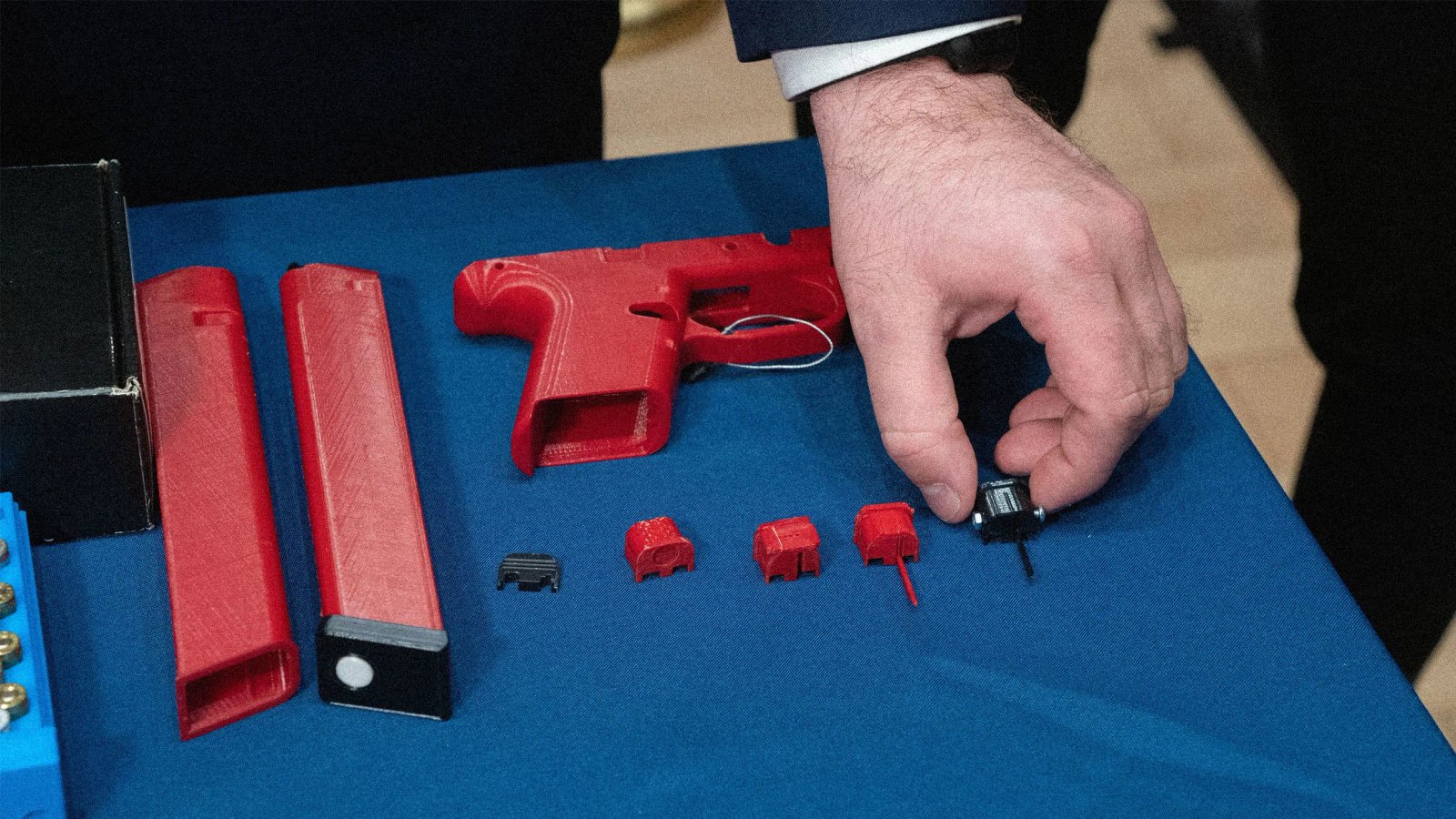
Legislation Targeting 3D Printing: U.S. lawmakers are advancing rules to mandate “print blocker” software in 3D printers to prevent the production of firearm parts, particularly ghost guns, while facing criticism for oversimplifying complex issues.
-
Opposition from Experts: Critics, including Kyle Wiens from iFixit and the Electronic Frontier Foundation, argue that such measures undermine technological freedom and are unlikely to deter gun manufacturing, branding them as ineffective and overly restrictive.
-
Limited Impact on Crime: Statistics reveal that only 325 out of 350,000 firearms used in crimes were 3D-printed, suggesting that proposed regulations would have minimal effect on gun violence while overly burdening legitimate users.
-
Chilling Innovation: The proposed restrictions risk treating all 3D printing users as potential criminals, stifling creativity and legitimate uses in fields like prototyping and medicine, prompting experts to call for more effective and nuanced solutions.
Regulating 3D Printing: Misguided Solutions
Lawmakers across the U.S. seek to curb the rise of ghost guns by imposing restrictions on 3D printing. They propose mandatory software that scans files for firearm components. However, critics argue this approach misunderstands the technology’s broader applications. By attempting to redesign a tool used in numerous fields, lawmakers risk stifling innovation. The suggested regulations would categorize all users as potential criminals, creating unnecessary barriers for hobbyists and professionals alike.
Moreover, data shows that the actual incidence of 3D-printed guns is minuscule compared to traditional firearms used in crimes. When one examines the numbers—just 325 3D-printed guns recovered versus hundreds of thousands of conventional firearms—the proposed solutions appear to tackle an imaginary problem. Critics contend that focusing on 3D printing as a primary source of gun violence invites ineffective legislation. It overlooks the need for targeted interventions that address the root causes of crime while allowing tech advancements to flourish.
Potential Consequences and Alternatives
Limiting the capabilities of 3D printers stifles creativity and hinders legitimate use in fields like medicine and engineering. Currently, professionals utilize this technology for creating everything from surgical implants to custom parts. Imposing sweeping restrictions may threaten these valuable innovations, discouraging investment and participation in the burgeoning field.
Instead of punishing all users, policymakers should explore more effective measures. Efforts could include enhancing background checks, improving education on safe firearm use, and investing in community programs. These initiatives can genuinely contribute to public safety without criminalizing technology and creativity. Moving forward requires a nuanced approach that balances safety with innovation.
Continue Your Tech Journey
Stay informed on the revolutionary breakthroughs in Quantum Computing research.
Discover archived knowledge and digital history on the Internet Archive.
TechV1
