

Fast Facts
-
Breakthrough Antibodies: Fred Hutch researchers developed monoclonal antibodies that effectively block Epstein Barr virus (EBV) from infecting human immune cells, showcasing a significant advance in combating this widespread virus linked to various cancers and illnesses.
-
Target Identification: The team successfully targeted two viral proteins, gp350 and gp42, leading to the identification of specific antibodies that can prevent EBV from entering human cells, opening pathways for future vaccine development.
-
Impact on Transplant Patients: The findings hold promise for preventing post-transplant lymphoproliferative disorders (PTLD), a severe complication in organ transplant patients, as the new therapy could reduce EBV reactivation while preserving graft function.
-
Path to Clinical Use: With intellectual property filed, the researchers aim to advance these antibodies to clinical trials, potentially transforming preventive care for high-risk populations, particularly children undergoing transplants.
Significant Progress in EBV Research
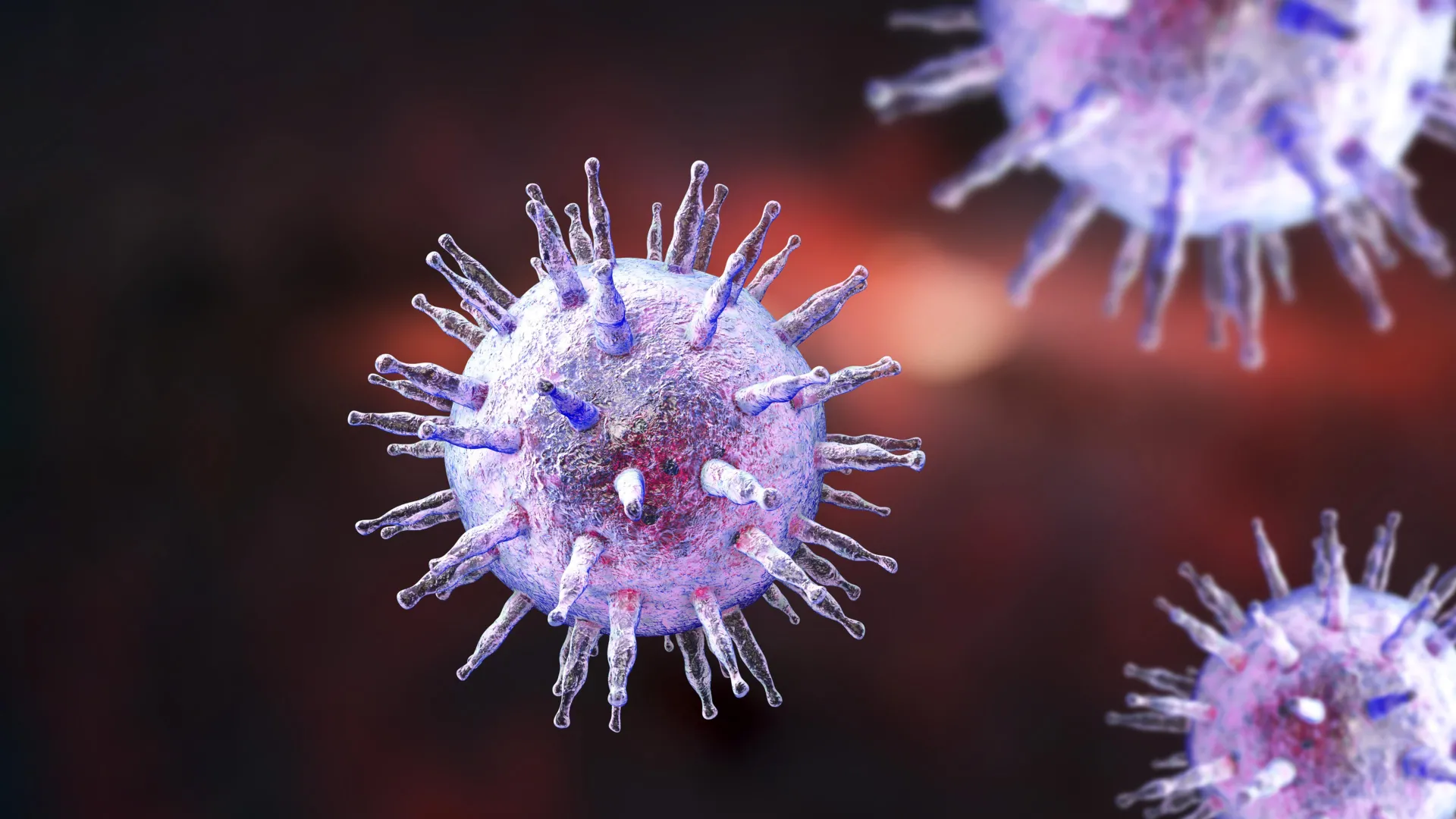
Researchers at Fred Hutch Cancer Center have made remarkable strides in tackling the Epstein Barr virus (EBV), which affects approximately 95% of people globally. This virus is linked to several serious health issues, including cancers and neurodegenerative diseases. The team’s innovative approach involved creating monoclonal antibodies using mice engineered to produce human antibodies. By targeting specific proteins that EBV uses to enter human cells, they discovered potent antibodies capable of preventing infection in mice with human-like immune systems. This achievement marks an important step forward in understanding a virus that has remained challenging to combat.
Moreover, the identification of these antibodies paves the way for new therapeutic options. The research demonstrates a successful method to find protective antibodies against EBV, which can have broader applications for other pathogens. As scientists validate these new strategies, they reveal potential pathways for vaccine development and targeted treatments, particularly for vulnerable populations.
Implications for High-Risk Patients
For transplant patients, EBV poses a serious risk. Annually, over 128,000 individuals in the U.S. undergo organ or bone marrow transplants. Many of these patients take immunosuppressive drugs that can allow EBV to reactivate, leading to complications like post-transplant lymphoproliferative disorders (PTLD). Current medical practices lack effective ways to prevent these EBV-related diseases, creating an urgent need for targeted therapies.
The newly developed antibodies could fundamentally change the landscape of transplant medicine. They might prevent EBV infections before they occur, thereby reducing incidences of PTLD and enhancing patient outcomes. As the research progresses, the team aims to advance these findings toward clinical use, with the hope of providing a vital tool for high-risk patients. Each step forward offers hope for improved therapies, illustrating the ongoing commitment to addressing one of humanity’s prevalent health challenges.
Continue Your Tech Journey
Dive deeper into the world of Cryptocurrency and its impact on global finance.
Discover archived knowledge and digital history on the Internet Archive.
TechV1
