

Essential Insights
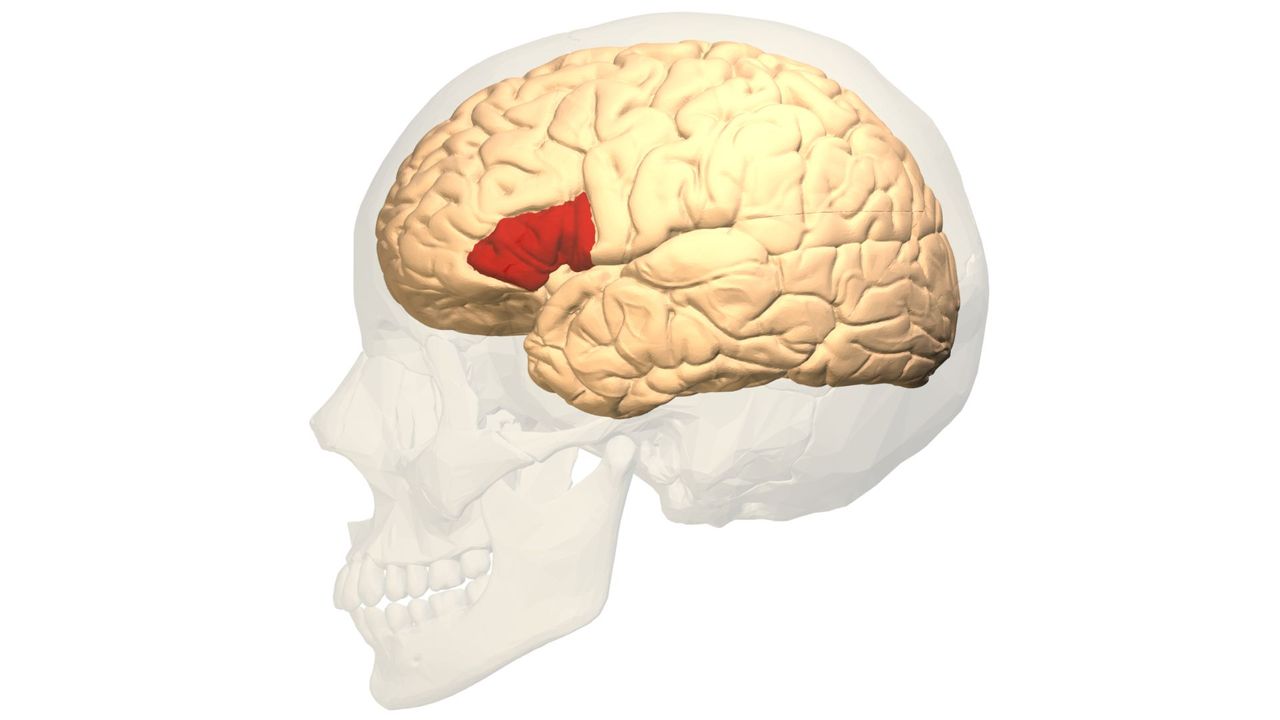
- Dr. Paul Broca’s autopsy of “Tan” in 1861 revealed a specific brain region in the left frontal lobe responsible for speech production.
- Leborgne’s brain showed significant abnormalities, linking frontal lobe damage to speech loss, supporting the idea of localized brain functions.
- Broca’s findings laid the groundwork for understanding Broca’s area, a key region in language processing and aphasia.
- Modern neuroscience confirms speech involves multiple brain regions beyond Broca’s area, including Wernicke’s area, highlighting the complexity of language.
An Early Breakthrough in Brain Research
On April 18, 1861, a doctor in Paris performed an autopsy on a man known as “Tan” who could barely speak. The man had spent 21 years in a psychiatric hospital after losing his speech at age 30. Despite his speech difficulties, he could understand language and used gestures to communicate. Over time, his health worsened, leading to paralysis and mental decline. During the autopsy, Dr. Paul Broca found an unusual fluid-filled pocket in the left side of Tan’s brain, in a region now known as Broca’s area. This discovery was important because it linked a specific brain part to speech. At that time, many scientists debated whether different parts of the brain had special functions. Broca’s findings supported the idea that certain regions do have specific roles. His work marked a significant step forward in understanding how the brain controls language and communication.
Contributions to Science and Medicine
At first, Broca’s discovery was met with skepticism because most scientists focused on other theories. But, within a few months, Broca examined other patients with speech problems and confirmed that the left frontal lobe was vital for speech. Over his career, Broca identified this brain region and soon showed that damage there could cause speech loss, a condition called aphasia. Today, the area Broca studied is called Broca’s area, and researchers know it’s key to producing speech. They also found other parts of the brain involved in language, such as Wernicke’s area, discovered in 1874. While modern imaging techniques have detailed how different brain networks work together, Broca’s work helped lay the foundation for understanding the human journey of speech and communication. His discovery has practical value, helping doctors diagnose and treat language disorders, and it continues to influence neuroscience research today.
Discover More Technology Insights
Explore the future of technology with our detailed insights on Artificial Intelligence.
Access comprehensive resources on space and science by visiting NASA.
SciV1
