

Top Highlights
-
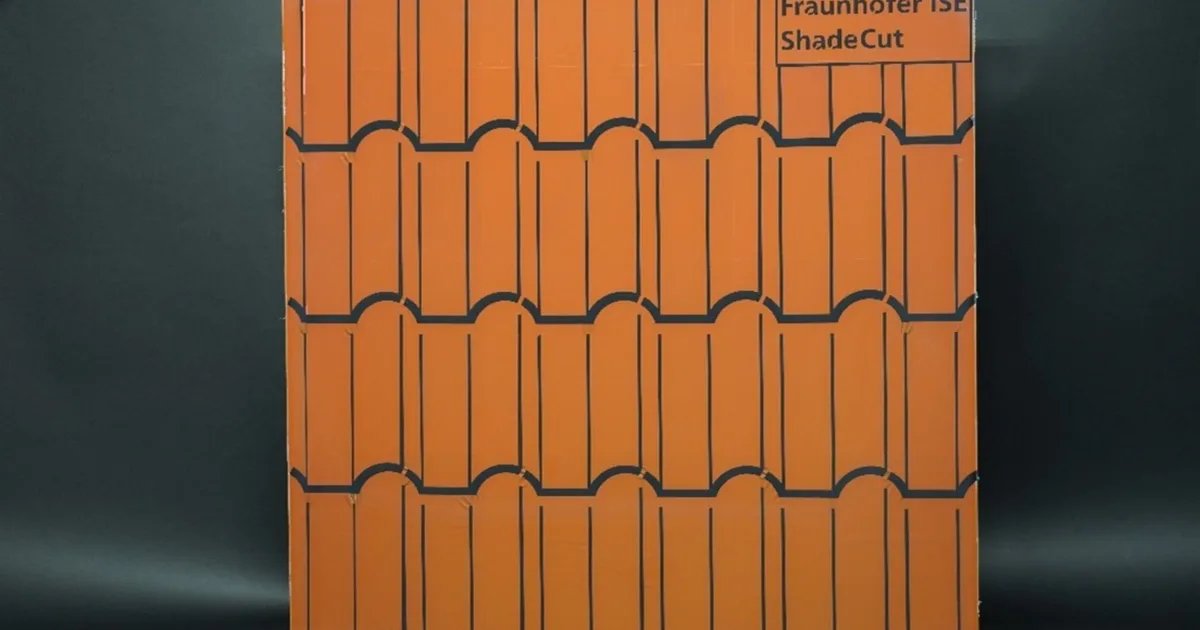
Sustainable Aesthetics: Researchers at Fraunhofer Institute developed ShadeCut, a technology that uses colorful, patterned films to make solar panels resemble roofing materials, enhancing aesthetic appeal for architects and homeowners.
-
Innovative Design: ShadeCut employs laser and CAD-controlled processes to create intricate patterns and transparent cutouts, allowing for customizable solar modules that can mimic terracotta tiles or other designs while maintaining energy efficiency.
-
High Efficiency: Independent tests show that ShadeCut panels retain about 95% of the power output of traditional solar panels, making them a viable alternative for aesthetic-friendly solar solutions.
-
Market Impact: With compatibility for building-integrated photovoltaics, ShadeCut addresses the concerns of historic preservation, potentially transforming the adoption of solar technology in design-sensitive settings.
Aesthetic Revolution in Solar Technology
Solar panels have long served as a vital tool in the fight against climate change. However, their bulky, often unattractive designs have posed challenges for architects and homeowners alike. Many have hesitated to adopt solar energy due to the visual impact these panels can have on their properties. Fortunately, researchers at the Fraunhofer Institute for Solar Energy Systems in Germany have developed a promising solution: ShadeCut technology.
ShadeCut applies colored and patterned films to solar modules, allowing them to mimic traditional roof tiles or even unique designs. This capability opens the door to custom aesthetics that blend seamlessly with existing architecture. By utilizing a bio-inspired coating technique, ShadeCut ensures vibrant colors while maintaining high energy efficiency. Independent tests reveal that these new colored panels yield about 95% of the power output of standard, uncoated panels. Therefore, homeowners can embrace stunning solar designs without sacrificing performance.
Bridging Sustainability and Style
The introduction of ShadeCut panels could redefine how we perceive solar energy. Particularly for historic buildings and design-sensitive projects, these aesthetically pleasing options could ease previous objections to solar installations. As energy efficiency becomes ever more urgent, blending beauty with practicality remains essential. If architects and builders can advocate for this technology, it stands to reason that wider adoption could follow.
The public will first see ShadeCut at The Smarter E/Intersolar Europe 2026 in Munich, generating excitement around its potential. In this intersection of sustainability and artistry, the future may indeed look brighter and more beautiful. As we strive to reduce our carbon footprint, innovations like ShadeCut remind us that eco-friendly solutions need not compromise on aesthetic appeal. The potential for colorful, artsy solar tiles marks a significant step forward in integrating renewable energy into our everyday lives.
Expand Your Tech Knowledge
Learn how the Internet of Things (IoT) is transforming everyday life.
Explore past and present digital transformations on the Internet Archive.
TechV1
