

Top Highlights
- Researchers create battery-free fabric that monitors blood pressure in real-time.
- Smart textile uses ultra-thin sensors connected to a smartphone for powering.
- System accurately tracks blood pressure even during physical exercise or activity.
- This technology aims to integrate health tracking directly into everyday clothing.
Revolutionizing Health Monitoring
Wearable technology is undergoing a transformation. Smartwatches and fitness trackers have dominated the market, but their limitations often frustrate users. Frequent charging remains a major inconvenience. Researchers at the National University of Singapore are taking a bold step forward. They have created a battery-free textile system capable of real-time blood pressure monitoring. This innovation could turn everyday clothing into powerful health-tracking devices.
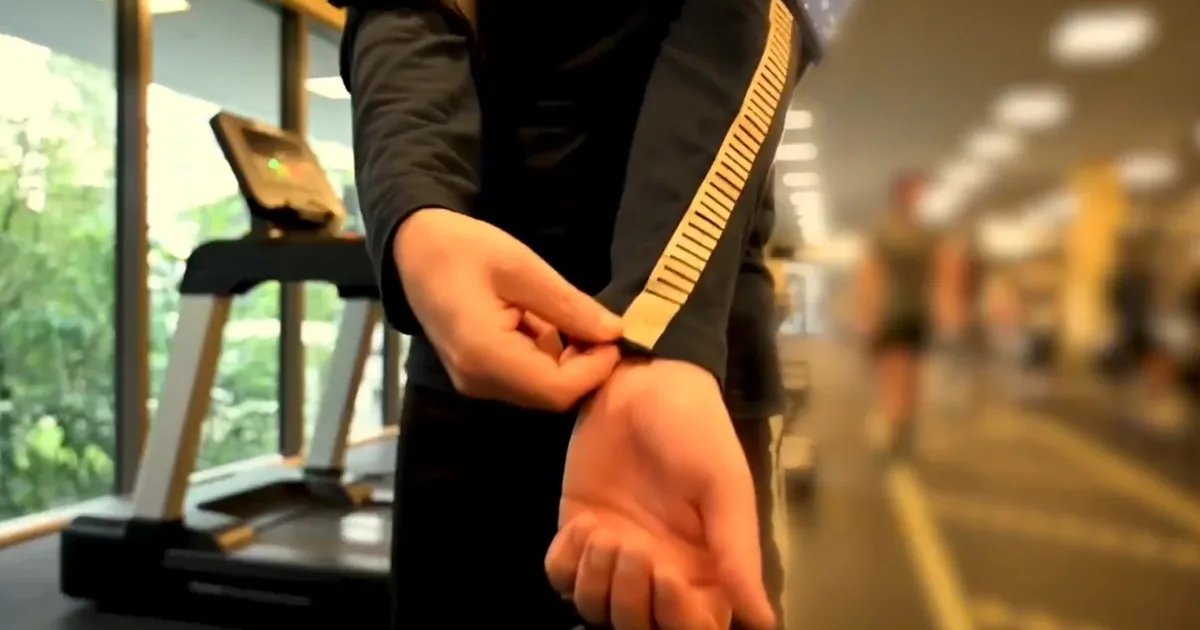
The proposed system utilizes ultra-thin sensors that adhere directly to the skin. These sensors connect through specially designed fabric to create a cohesive health monitoring network. This metamaterial fabric wirelessly transfers power from a nearby smartphone to the attached sensors. By separating power delivery and data communication into different frequency channels, the system ensures a stable and reliable connection. This setup eliminates the need for users to manage multiple devices, simplifying the health tracking experience.
Wearable Comfort with Advanced Functionality
One of the significant advantages of this technology lies in its ability to provide real-time tracking, even during physical activity. Traditional wearables struggle to maintain accuracy during exercise. The smart fabric system can monitor systolic blood pressure accurately, making it a valuable tool for long-term health management. This capability could lead to early detection of cardiovascular issues, an important consideration for many people.
The sensors themselves are thin and flexible, designed for comfort. They can seamlessly integrate into clothing without disrupting movement. Instead of wearing a separate device, users can simply put on their health-monitoring clothes. This shift represents a move towards clothing that passively monitors health rather than relying on active devices that require user attention.
As this technology develops, it raises questions about the future of wearable health devices. Are people willing to embrace clothing as health monitors? The potential convenience is undeniable, but users may hesitate to abandon the gadgets they currently rely on. Adoption will hinge on perceptions of practicality and functionality. The health technology landscape is evolving, and smart clothing could play a pivotal role in that future.
Expand Your Tech Knowledge
Explore the future of technology with our detailed insights on Artificial Intelligence.
Stay inspired by the vast knowledge available on Wikipedia.
TechV1
