

Essential Insights
- Researchers found the brain is physically linked to the body more than thought.
- Abdominal muscle contractions shift the brain, enhancing cerebrospinal fluid flow.
- Gentle brain movement helps clear waste, potentially reducing neurodegenerative risks.
- Everyday motion, like walking, may significantly improve brain health outcomes.
The Interplay of Movement and Brain Health
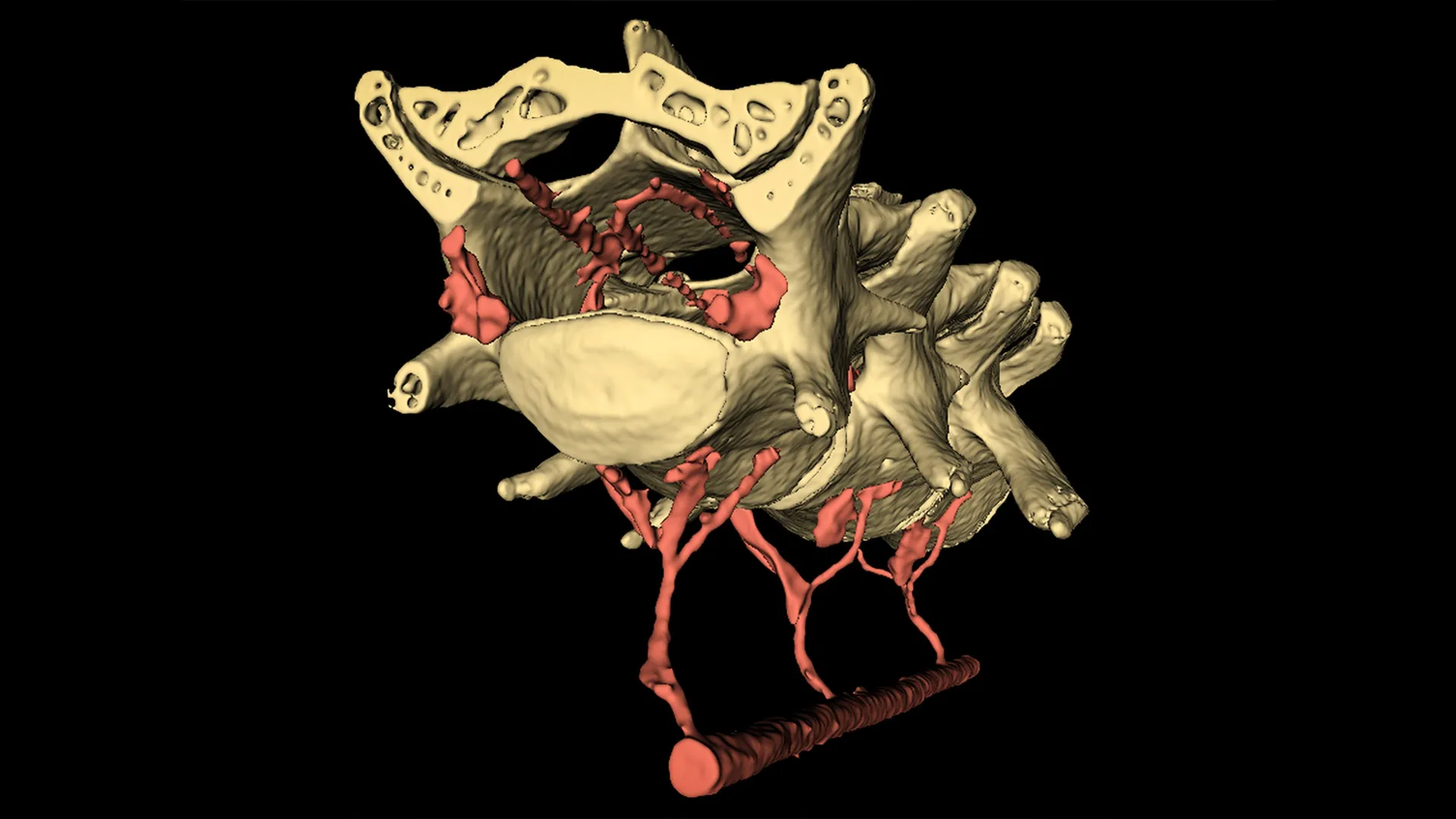
Recent research reveals a fascinating connection between physical movement and brain health. Scientists discovered that body movement triggers a “cleaning” effect in the brain, offering new insight into why exercise benefits cognitive functions. This study, published in Nature Neuroscience, highlights how the contraction of abdominal muscles impacts blood flow and cerebrospinal fluid circulation in the brain.
As abdominal muscles tighten, they apply pressure to blood vessels linked to the spinal cord and brain. This pressure shifts the brain slightly within the skull, promoting fluid movement that helps clear waste. Such a process resembles a hydraulic system, where even small movements can generate significant changes. The ability to remove metabolic waste from the brain could play a critical role in preventing neurodegenerative disorders.
The implications reach far beyond the lab. These findings suggest that simple, everyday activities—like standing up or taking a walk—could contribute to better brain health. Regular movement generates the necessary conditions for effective cerebrospinal fluid flow, leading to efficient waste removal.
Future Implications for Health and Wellness
Understanding this relationship opens doors for new approaches to health and wellness. As researchers unravel the mechanics of this brain-cleaning effect, they could pave the way for lifestyle recommendations that prioritize movement to enhance brain function.
Still, scientists caution against overgeneralizing these findings to humans without further research. The mechanisms in mice may not directly translate to human physiology. However, the potential benefits of engaging in physical activity remain clear. Incorporating movement into daily routines could serve as a practical strategy for improving cognitive health.
Societal trends toward sedentary lifestyles could pose risks, particularly for older adults. The need for accessible physical activities becomes paramount as we acknowledge the brain’s dependence on movement for proper function. Future health guidelines may emphasize not only the benefits of exercise for physical fitness but also for mental resilience. Embracing movement as a pathway to enhanced brain health could reshape how we approach aging and cognitive decline.
Stay Ahead with the Latest Tech Trends
Explore the future of technology with our detailed insights on Artificial Intelligence.
Discover archived knowledge and digital history on the Internet Archive.
TechV1
