

Fast Facts
-
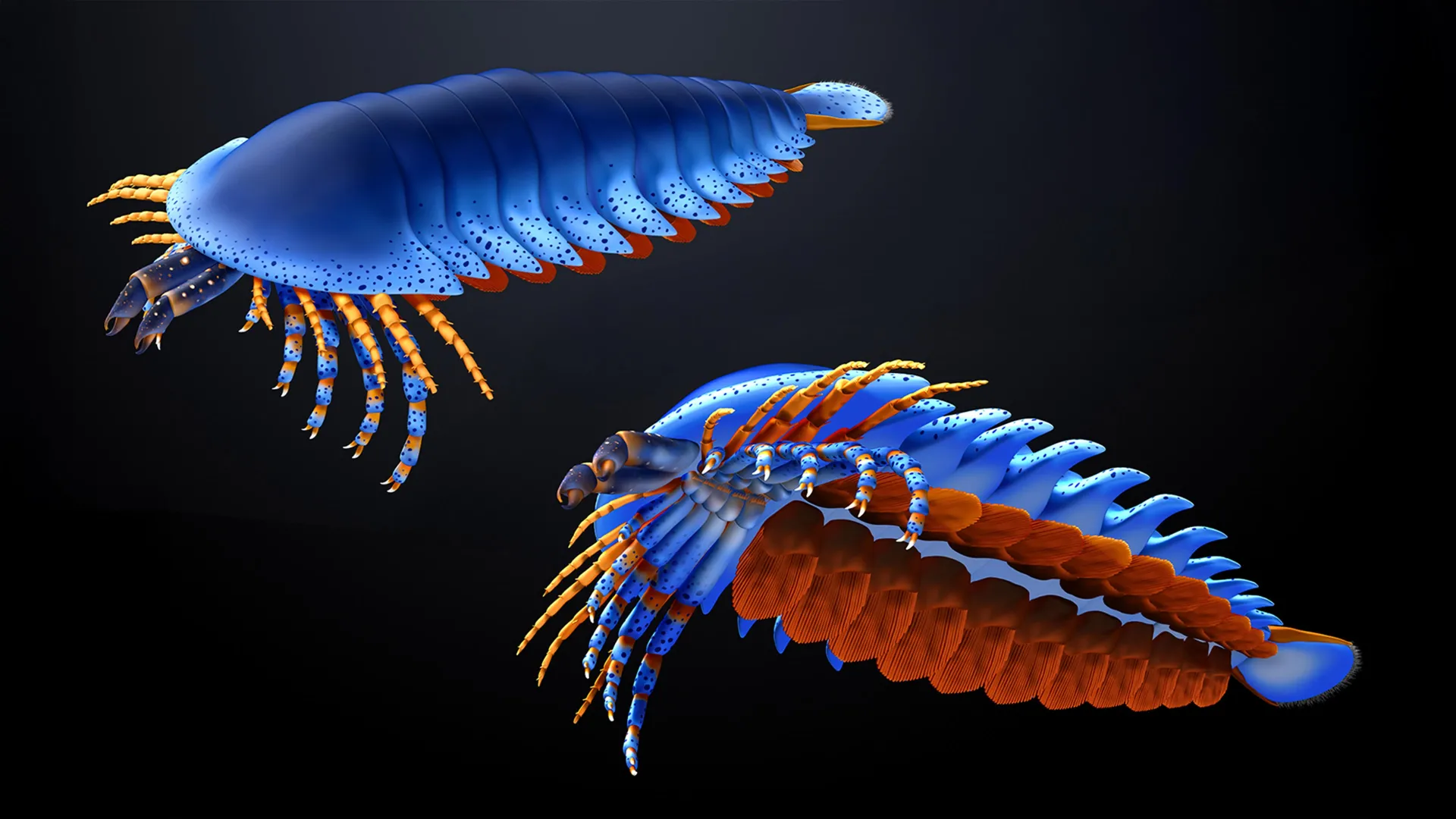
Discovery of the Oldest Chelicerate: Rudy Lerosey-Aubril identified Megachelicerax cousteaui, a 500 million-year-old Cambrian fossil in Utah, as the earliest known chelicerate, extending the group’s history by 20 million years.
-
Revealing Complex Anatomy: The fossil displays significant anatomical features, including a unique chelicera, marking it as the first clear evidence of this appendage from the Cambrian period and highlighting early evolutionary complexity.
-
Bridging Evolutionary Gaps: The specimen links primitive Cambrian arthropods and later chelicerate forms, showcasing an evolutionary transition that reconciles competing hypotheses regarding the development of body plans in this lineage.
-
Cultural and Scientific Significance: Named in honor of Jacques Cousteau, this discovery emphasizes the role of museum collections in advancing scientific knowledge and understanding the origins of modern chelicerates, which impact numerous aspects of human life today.
Unveiling the Ancient Claw
Recently, a captivating fossil discovery emerged, redefining our understanding of spider evolution. Research Scientist Rudy Lerosey-Aubril uncovered a claw-like structure in a 500-million-year-old specimen, revealing its significance only after meticulous examination. This claw is no ordinary find; it represents the oldest known chelicera, a defining feature of spiders and their relatives. This fossil, named Megachelicerax cousteaui, pushes the timeline of chelicerate history back by 20 million years. Thus, scientists now recognize that crucial anatomical traits of these creatures formed much earlier than previously thought.
The fossil itself, a marine predator from Utah’s West Desert, showcases an intricate bone structure with a head shield and body segments. Notably, the chelicera enables grasping, setting chelicerates apart from other arthropods. Researchers assert this discovery marks a turning point, revealing a transitional form that bridges earlier arthropods with modern-day relatives. Indeed, this fossil provides vital clues about how evolutionary successes unfolded over millions of years.
The Implications of a New Understanding
The discovery also emphasizes the value of scientific collections, as it highlights how previous overlooked specimens can yield groundbreaking insights. For decades, Megachelicerax cousteaui sat unnoticed among conventional fossils. However, a renewed examination illuminated its importance, confirming that complexity in anatomical features arose during the Cambrian Explosion. This understanding reshapes our view of early marine life, showing that the oceans burst with a diversity that rivals today’s ecosystems.
Moreover, the influence of chelicerates extends beyond evolutionary history. Today, this group, which includes species from spiders to horseshoe crabs, shapes numerous aspects of human life—from medical applications to ecological balance. By emphasizing the interconnectedness of scientific discovery and marine biodiversity, this fossil serves as a reminder of nature’s hidden narrative, waiting to be uncovered. Thus, as we explore these ancient roots, we also reflect on our modern coexistence with these remarkable creatures.
Discover More Technology Insights
Stay informed on the revolutionary breakthroughs in Quantum Computing research.
Stay inspired by the vast knowledge available on Wikipedia.
TechV1
