

Summary Points
- Researchers found shared genes in axolotls, zebrafish, and mice aiding limb regeneration.
- SP genes, especially SP6 and SP8, drive regenerative capabilities across species.
- CRISPR experiments showed SP8 is crucial for axolotl limb regrowth.
- Future therapies may mimic these genes, enhancing human limb regeneration possibilities.
The Promise of Regeneration
A groundbreaking discovery brings us closer to what many consider the “holy grail” of regenerative medicine: the ability to regrow human limbs. Scientists studying axolotls, zebrafish, and mice have identified shared genetic mechanisms that drive regeneration in these diverse organisms. This study highlights a group of genes known as SP genes, which appear crucial in the regeneration process.
Every year, more than 1 million amputations occur globally due to various medical issues, including diabetes and traumatic injuries. As populations age, this number is likely to rise. Researchers have long sought methods beyond prosthetic limbs to restore natural movement and function. The findings from this research offer a potential path forward, suggesting that gene therapy could one day aid in human limb regrowth.
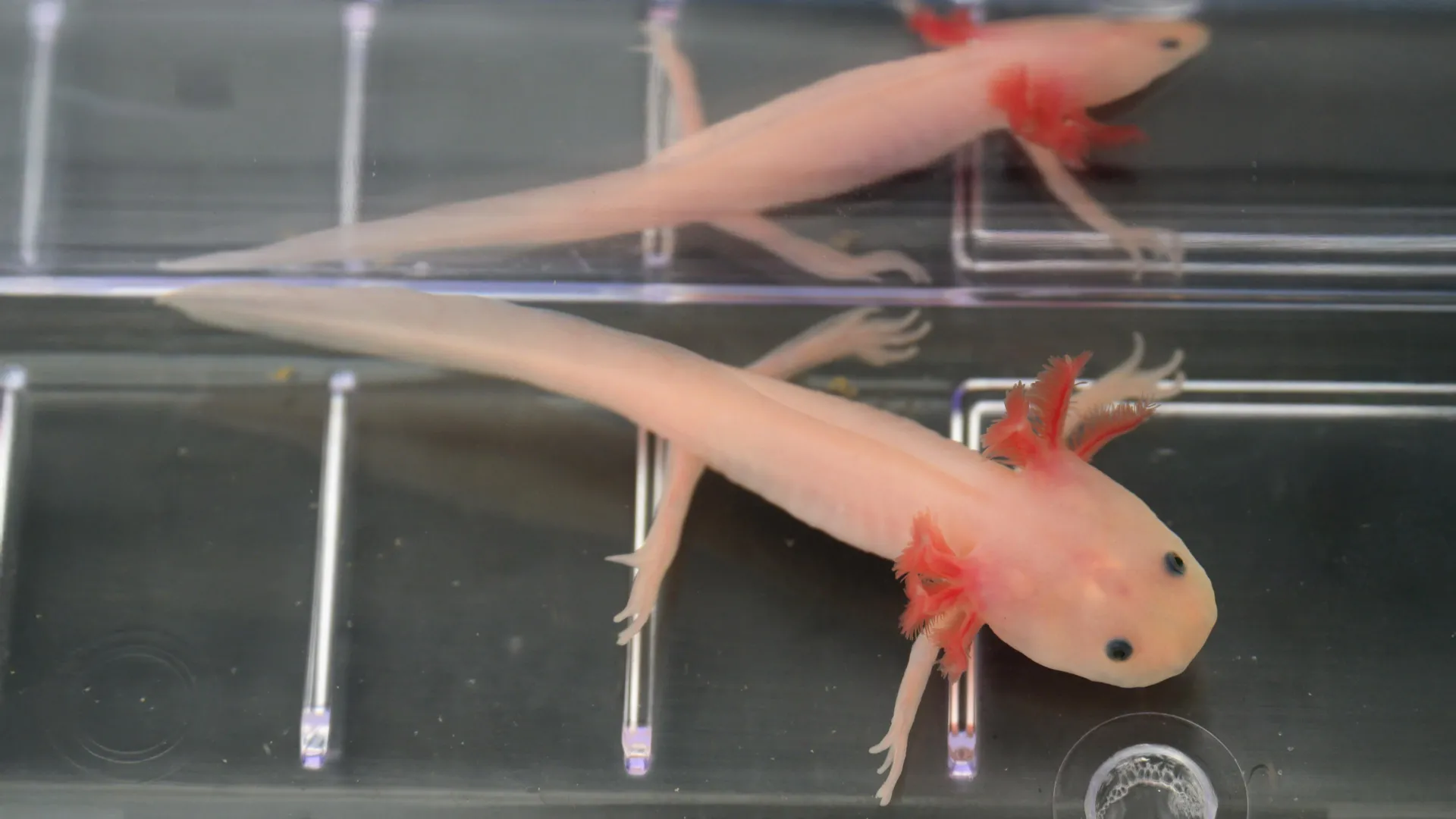
Researchers glean insights from each species. Axolotls can regrow not just limbs but significant body parts, including parts of the heart and spinal cord. Zebrafish excel at regrowing tail fins and can repair crucial organs, such as the heart and brain. Mice serve as mammalian models, having limited but relevant regenerative capabilities. By focusing on these organisms, scientists uncovered universal genetic programs that unify regeneration across species.
A New Avenue in Medicine
The researchers identified the SP8 gene as vital for limb regeneration in axolotls. Through CRISPR technology, they removed this gene, leading to failure in limb bone regeneration. They observed similar issues in mice lacking the SP genes. This pivotal information propelled further experimentation.
One promising approach involved a viral gene therapy designed to deliver a signaling molecule, FGF8, which SP8 normally activates. Early results indicate that this therapy stimulated bone regrowth in mice. While human limbs can’t regenerate like axolotl limbs, these breakthroughs may enable therapies that mimic some biological processes controlled by SP genes.
Much work remains before these findings can translate into clinical applications for humans. Researchers caution that the path to practical therapies is still lengthy. However, this research lays a crucial foundation for future treatments. Scientists are exploring multiple solutions to limb replacement, including bioengineered scaffolds and stem cell therapies. This gene-therapy approach provides an exciting new avenue for exploration.
Collaborative efforts, uniting researchers from different specialties, proved vital. Working across various species revealed powerful insights that solitary research may overlook. The study underscores the importance of cross-disciplinary collaboration. As scientists continue to explore regenerative medicine’s frontiers, the potential to restore lost function and sensation remains within reach.
Stay Ahead with the Latest Tech Trends
Learn how the Internet of Things (IoT) is transforming everyday life.
Explore past and present digital transformations on the Internet Archive.
TechV1
