

Top Highlights
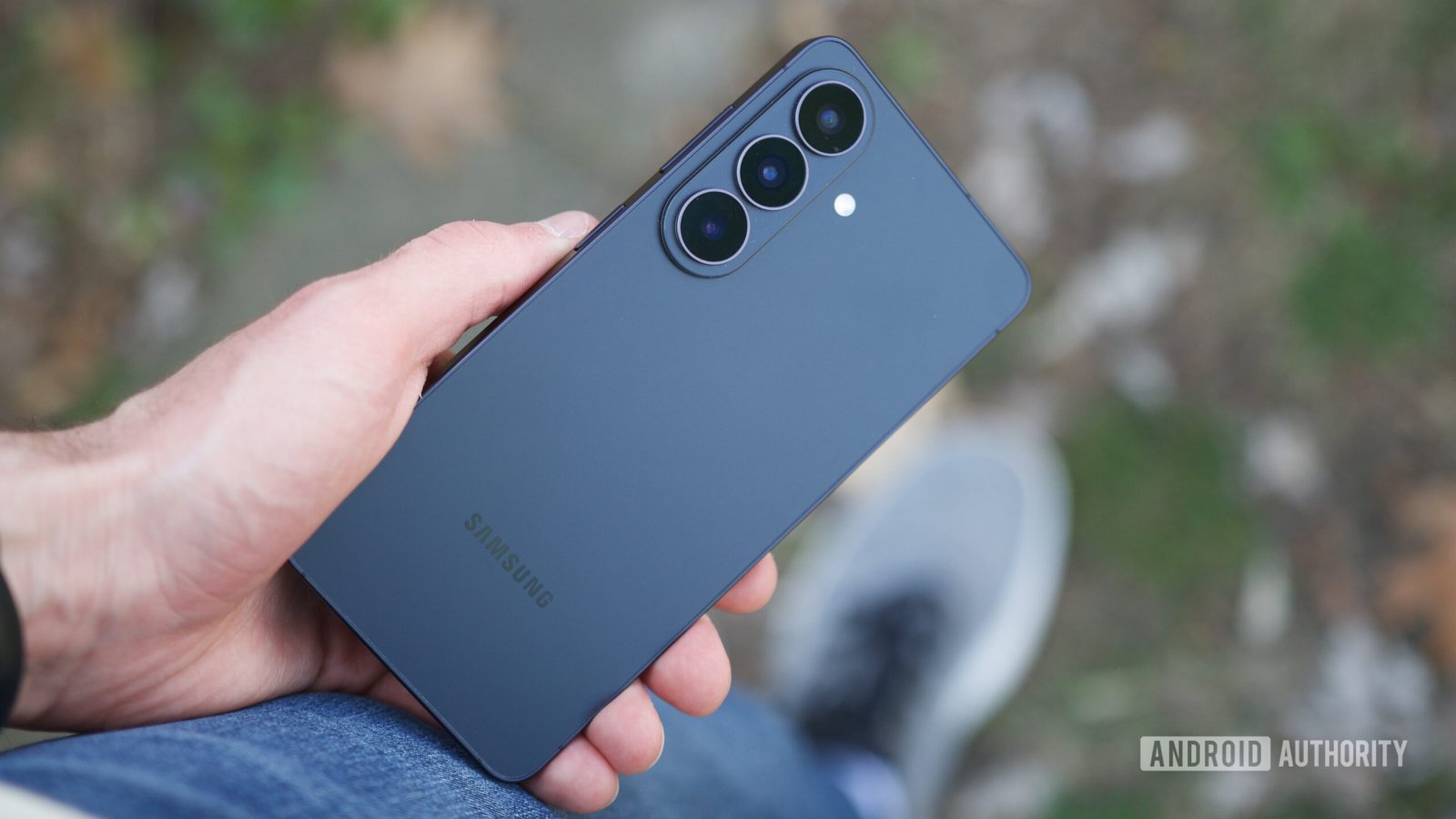
- Samsung’s Galaxy S26, with a 6.3-inch display, is considered small but is still larger than traditional compact phones, highlighting the scarcity of truly small devices in 2026.
- Industry claims suggest bigger screens benefit user needs, but advancements like silicon-carbon batteries enable smaller phones without sacrificing battery life or performance.
- Hardware innovations, such as smaller camera modules and more efficient chips, support the potential for compact yet powerful smartphones.
- The article advocates for major brands to embrace the technological possibilities and reintroduce genuinely small phones, like the iPhone Mini, in the near future.
Why Small Phones Matter in a World of Larger Screens
Many people, including myself, miss truly small phones. Back in the day, phones with screens under 6 inches fit comfortably in pockets and hands. They were easy to carry and use with one hand. Today, most flagship phones have screens over 6.3 inches. This change makes them less pocket-friendly and less convenient for quick use.
The new Galaxy S26 series, for example, has a 6.3-inch display. That’s smaller compared to other current models. Still, it’s not a “small phone” by traditional standards. The devices are larger than older compact phones, which measured around 5 to 5.8 inches. These smaller phones were compact, lightweight, and simple to manage. Many users find that current phones, although bigger, lack that portability and ease of use they once enjoyed.
Despite the trend toward bigger screens, technology now offers tools to bring back truly small phones. Advances in batteries and hardware mean that manufacturers could make smaller devices that still pack a punch. Smaller phones aren’t just nostalgic; they’re practical for everyday use. They allow quick check-ins, easier one-handed operation, and less bulk in your pocket or bag. So, it’s understandable why many still yearn for phones that don’t dominate their hands or pockets.
Technological Breakthroughs Make Small Phones Possible Again
You might wonder why small phones disappeared if technology now makes them possible. Manufacturers say larger screens are the most popular because users want more display space. They claim that phones smaller than 6 inches can’t match the performance, battery life, or camera quality of bigger models.
However, this ignores recent innovations in hardware. Silicon-carbon batteries are a game-changer. These batteries store more energy in a smaller space, which means smaller phones can have large batteries. For example, some recent phones with similar sizes now feature batteries over 7,000mAh — enough to last all day or longer. This development shows that small phones could offer great battery life without sacrificing size.
Hardware improvements go beyond batteries. Camera modules have become more compact. For instance, newer telephoto modules use less space than traditional camera setups. This reduction also frees internal room, allowing for sleeker designs. Additionally, chips today are more efficient; they consume less power while delivering strong performance. The Snapdragon 8 Elite, for example, uses significantly less energy than earlier processors.
All these advancements mean manufacturers can craft small, powerful phones that meet modern demands. If brands harness silicon-carbon batteries and efficient chips, they could launch phones that are genuinely small and highly capable. The technology is ready; now it’s about whether companies are willing to take the risk and innovate beyond the current size standards.
Time for a Return to Small Phones
The industry has started to recognize that “small” doesn’t mean outdated. The Galaxy S26, Pixel 10 Pro, and Xiaomi 17 all feature screens around 6.3 inches, which is smaller than many flagship models. Companies are gaining praise for these slightly smaller options. But I believe it’s time to go further — to truly small phones.
If brands adopt new battery tech and hardware efficiencies, they can offer devices that are pure compact options. For example, a sub-6-inch phone with a large battery and flagship features isn’t just a dream — it’s entirely feasible now. The absence of such models isn’t due to technical limitations but perhaps a hesitation to challenge the trend of “bigger is better.”
International market trends and consumer feedback suggest that many would welcome genuinely small phones. They want devices that do their job with less hassle, not just slightly smaller versions of large phones. An iPhone Mini revival could set the stage, prompting other brands to follow suit. The technology is waiting to be unlocked for those ready to embrace it.
By leaning into these advancements and listening to user demands, manufacturers can redefine what a “smartphone” truly is. A smaller device doesn’t have to be a compromise; it can be the best of both worlds — portability, power, and comfort. The next small phone could be the one that balances tech innovation with everyday simplicity. It’s just a matter of time before we see that change happen.
Stay Ahead with the Latest Tech Trends
Dive deeper into the world of Cryptocurrency and its impact on global finance.
Explore past and present digital transformations on the Internet Archive.
CellphonesV1
