

Quick Takeaways
- New A.I. systems excel at writing code, transforming software development in Silicon Valley.
- Researchers aim for A.I. capable of self-improvement without human intervention.
- Recursive Superintelligence raised $650 million, valued at over $4 billion already.
- OpenAI and others are pursuing automated A.I. researchers, revolutionizing future technology.
The Promise of Recursive Self-Improvement
Silicon Valley now stands at the brink of a revolution. Notable researchers have joined forces in a $4 billion effort to build self-improving AI. Companies like Anthropic and OpenAI have set the stage with new AI systems that excel at writing code. As these technologies evolve, they promise to reshape how engineers develop software applications. If artificial intelligence can not only write but also improve its own code, the potential for innovation becomes limitless.
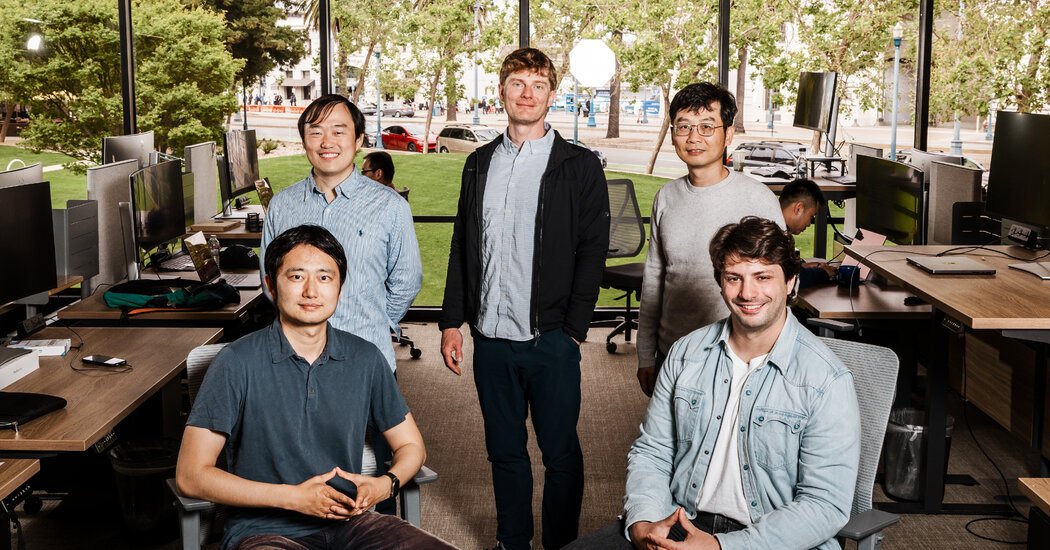
This effort, led by Dr. Richard Socher and his startup, Recursive Superintelligence, represents a significant leap toward autonomy in AI development. With backing from major venture capital firms and seasoned experts from leading tech companies, the initiative aims to realize a concept known as recursive self-improvement. This notion hinges on the idea that AI systems could iteratively enhance their capabilities with minimal human oversight. Dr. Socher emphasizes that “the ingredients are there.” Yet, even as enthusiasm grows, skepticism endures. Many researchers stress that current technologies still require human intervention to fuel new ideas and breakthroughs.
Challenges Ahead
The road ahead is fraught with challenges. While the vision of an automated AI researcher is enticing, the reality remains complex. Companies like OpenAI aspire to create systems capable of performing the tasks of less-experienced researchers. However, realizing this vision will take time and innovation. Experts like Dr. Socher acknowledge that they will need years to create the advanced technologies they envision, capable of tackling problems across various fields, such as drug discovery.
Even amid the excitement, cautionary voices warn against underestimating the work that remains. Achieving a truly self-improving AI requires overcoming technical hurdles and addressing ethical concerns. As development accelerates, society must carefully navigate the implications of these advancements. Embracing AI’s potential while recognizing its limitations will be crucial. Balancing innovation with responsibility will determine how these technologies impact the future.
Stay Ahead with the Latest Tech Trends
Learn how the Internet of Things (IoT) is transforming everyday life.
Stay inspired by the vast knowledge available on Wikipedia.
TechV1
