

Top Highlights
- Metallocenes have unique “sandwich” structures, crucial in organometallic chemistry since the 1950s.
- Researchers captured a rare doubly ring-slipped intermediate in metallocene formation.
- This breakthrough enhances understanding of metallocene assembly and transformation processes.
- Insights may facilitate the design of advanced responsive materials for various applications.
Unveiling New Frontiers in Organometallic Chemistry
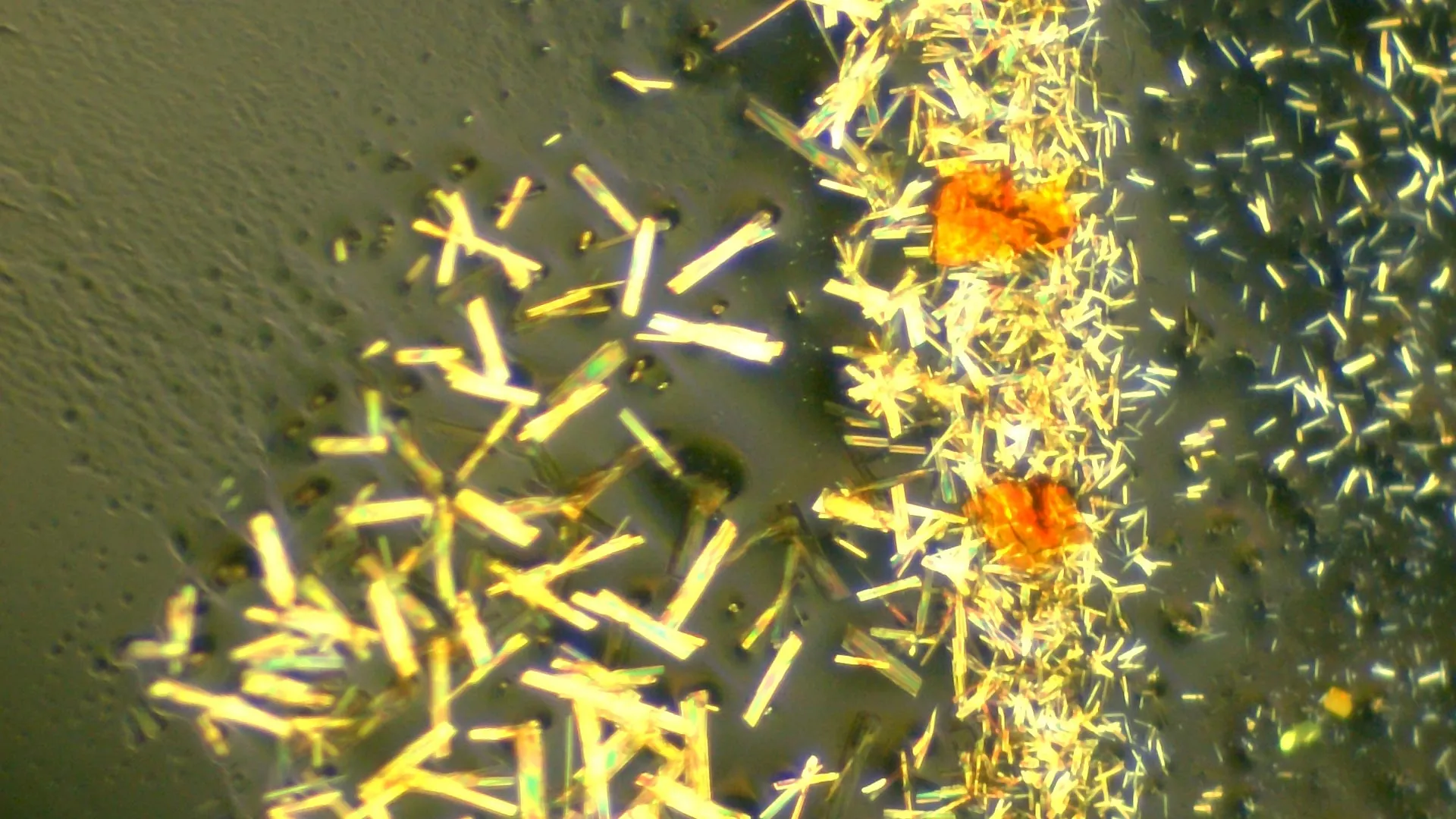
Scientists have long recognized the significance of metallocenes in organometallic chemistry. Their unique “sandwich” structure, featuring a metal atom trapped between two carbon rings, has made them essential in various applications. Ferrocene, one of the most famous metallocenes, helped secure a Nobel Prize for its discoverers in 1973. Yet, despite decades of research, the intricacies of how these molecules form remain obscure. Now, a team at the Okinawa Institute of Science and Technology has made a breakthrough. They have captured and fully characterized a rare intermediate state known as a doubly ring-slipped structure. This discovery sheds light on the formation and transformation processes of these complex molecules.
Metallocenes have proven invaluable in fields like catalysis, sensors, energy technologies, and drug delivery systems. However, their formation often involves fleeting intermediates that researchers struggle to observe. The new findings, published in the Journal of the American Chemical Society, change that dynamic. By using advanced techniques like single-crystal X-ray diffraction and NMR spectroscopy, researchers identified not just the doubly ring-slipped structure, but also an unstable single ring-slipped intermediate. This two-step insight opens avenues for designing responsive materials, which could revolutionize a range of scientific applications.
Implications for Future Research and Applications
The implications of this research extend beyond academic curiosity. As the understanding of metallocenes improves, so does the potential for practical applications. The ability to manipulate the structural properties of these compounds will likely lead to the development of materials with adjustable characteristics. Researchers envision metallocene-derived materials that could adapt to different environments, enhancing their functionality in real-world situations.
This newfound clarity around metallocene formation will empower scientists to innovate in multiple disciplines. From enhancing drug delivery systems with tunable properties to improving catalytic efficiency in chemical reactions, the prospects are immense. The potential impact on materials science and medicine underscores the importance of continued research in this area.
With this discovery, scientists not only advance the field of chemistry but also set the stage for breakthroughs in practical applications. As we look to the future, the journey through these sandwich molecules promises to deliver innovative solutions to complex challenges across various sectors. The importance of understanding such molecular behavior cannot be overstated; it may well unlock the next generation of materials and technologies.
Discover More Technology Insights
Dive deeper into the world of Cryptocurrency and its impact on global finance.
Explore past and present digital transformations on the Internet Archive.
TechV1
