

Summary Points
Certainly! Here are the key points and highlights from the article:
TLDR / Key Points (3rd person):
Robert Triggs reflects on the nostalgia and technical insights surrounding Windows Phone 8.1, noting recent community efforts to revive interest through updates and unofficial app support. Despite its limitations in modern use, he appreciates its smooth performance, efficient hardware utilization, and innovative UI. Triggs contemplates how Windows Phone might have evolved if it had continued, emphasizing missed opportunities, app support issues, and the potential impact on the mobile ecosystem.
Highlights (4 concise statements):
- Die-hard fans have recently upgraded or tinkered with Windows Phone 8.1, rekindling nostalgia despite its outdated infrastructure.
- Windows Phone was praised for its optimizations, innovative UI with live tiles, and seamless integration with Windows, even on minimal hardware.
- The platform suffered from fragmented updates, limited app support, and missed opportunities for future-proofing, leading to its decline.
- If Windows Phone had persisted, it might have evolved with unique features, but different strategic choices could have steered mobile history differently.
Rediscovering Windows Phone in 2026
Using a Windows Phone in 2026 brought a wave of nostalgia. Although the platform has long been out of mainstream use, it still holds a special place in the hearts of many tech enthusiasts. Recently, passionate fans have been working hard to keep it alive. They’ve developed updates for app marketplaces and even found ways to add features like Telegram support. These efforts show there’s still some life left in the platform. For me, trying out Windows Phone again revealed just how much I miss its simplicity and unique design.
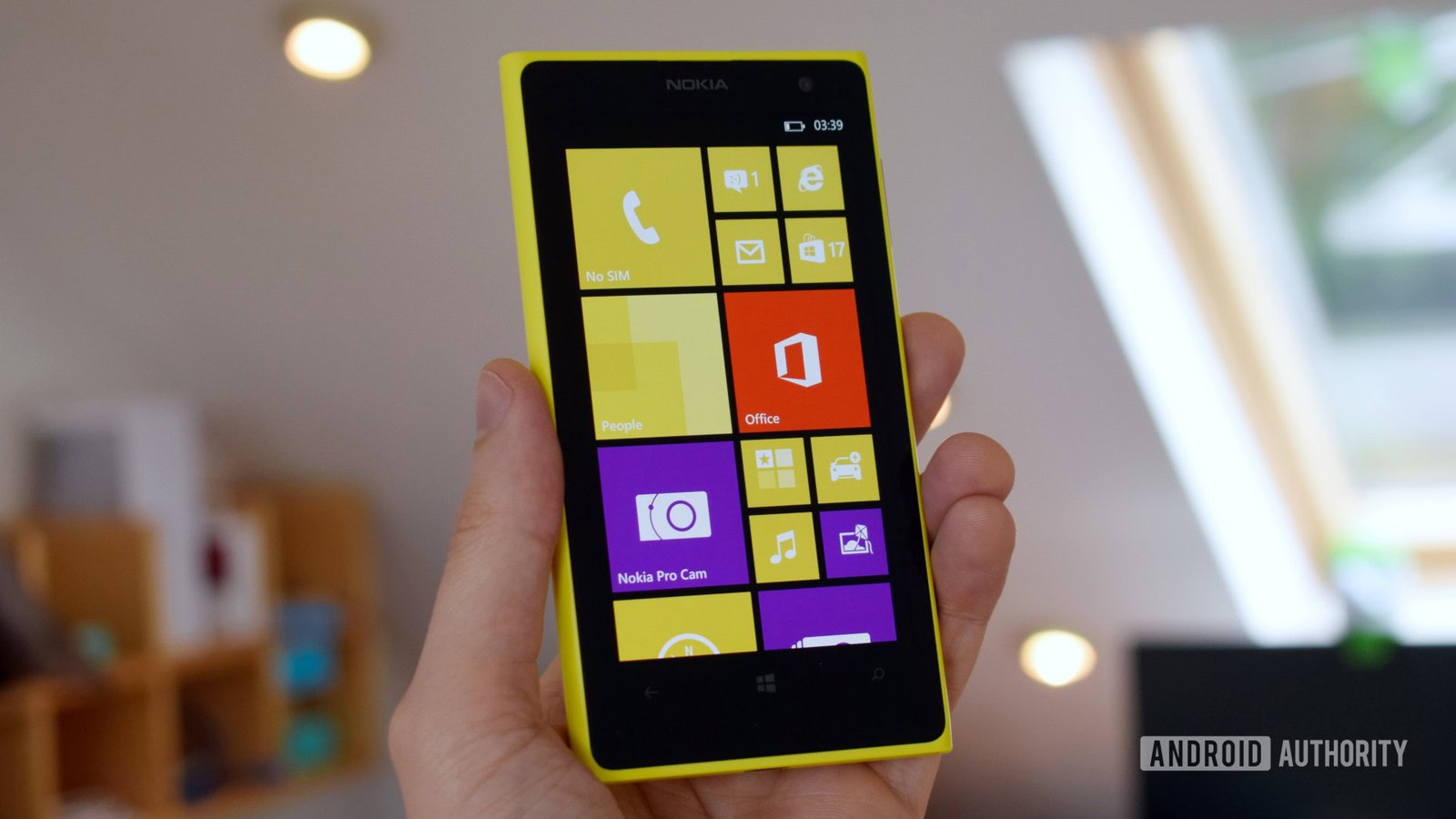
Even with its age, the Lumia 1020 still functions. It booted up with minimal effort, and the camera still impresses with 41MP shots. However, it’s not perfect—the battery life is noticeably worse, and modern networks aren’t compatible anymore. Despite this, the experience reminded me of how well Windows Phone was optimized to run smoothly on modest hardware. It’s clear that the platform’s design prioritized efficiency, which made it feel fast and responsive. Today, using it highlights what made the OS special and why so many still remember it fondly.
What I Loved About Windows Phone
Windows Phone wasn’t just about looks; it was about performance. The interface, with its live tiles, displayed glanceable information at a glance. This unique “Metro UI” set it apart from iOS and Android, making navigation intuitive. The platform’s simplicity meant it ran well on mid-range hardware, such as the Lumia 1020, which featured a Snapdragon S4 Plus—outdated by today’s standards but still effective at the time.
Microsoft’s tight integration with Windows enhanced productivity. Features like synced contacts, Office apps, and OneDrive made working on the go seamless. Its resource efficiency meant it didn’t require top-tier specs, making it accessible for many users. Although hardware options were limited, the optimized software delivered a user experience that was both smooth and reliable. This focus on integration and ease of use was what truly made Windows Phone stand out.
What Could Have Been
Looking back, I believe Windows Phone had the potential to evolve into a dominant platform. Its strengths were clear—lightweight, efficient, and easy to navigate. If Microsoft had committed more to app development and hardware innovation, it could have competed more effectively against Android and iOS. Unfortunately, fragmentation from updates and a lack of app support slowed its growth. Microsoft’s efforts near the end tried to attract developers, but it was too late.
Had Windows Phone survived, it likely would have learned from its competitors. Both Android and iOS have adopted some of each other’s best features, and Windows Phone would have benefited from that trend. Its UI could have been refined further, blending innovation with ease of use. Greater hardware options, including future-proof features like 5G, might have made it more appealing today. The platform’s absence leaves a gap, reminding us how different the mobile world could have been with a stronger Windows Phone presence.
Discover More Technology Insights
Learn how the Internet of Things (IoT) is transforming everyday life.
Access comprehensive resources on technology by visiting Wikipedia.
CellphonesV1
