

Summary Points
- 2.2 billion people lack access to safe drinking water worldwide.
- Traditional desalination is costly, energy-intensive, and produces harmful brine waste.
- A new solar-powered system avoids brine waste and chemical treatments.
- The process recovers valuable minerals like lithium while producing fresh water.
Addressing the Global Water Crisis
The world faces a pressing water crisis. According to the United Nations, 2.2 billion people lack access to safely managed drinking water. As global demand rises, many regions, from California to parts of the Middle East, have turned to desalination plants. These facilities convert seawater into fresh water. However, traditional desalination methods, such as reverse osmosis and thermal distillation, come with significant drawbacks. They are often costly and require a substantial amount of energy. These processes also generate concentrated saltwater known as brine, which can harm marine ecosystems upon discharge.
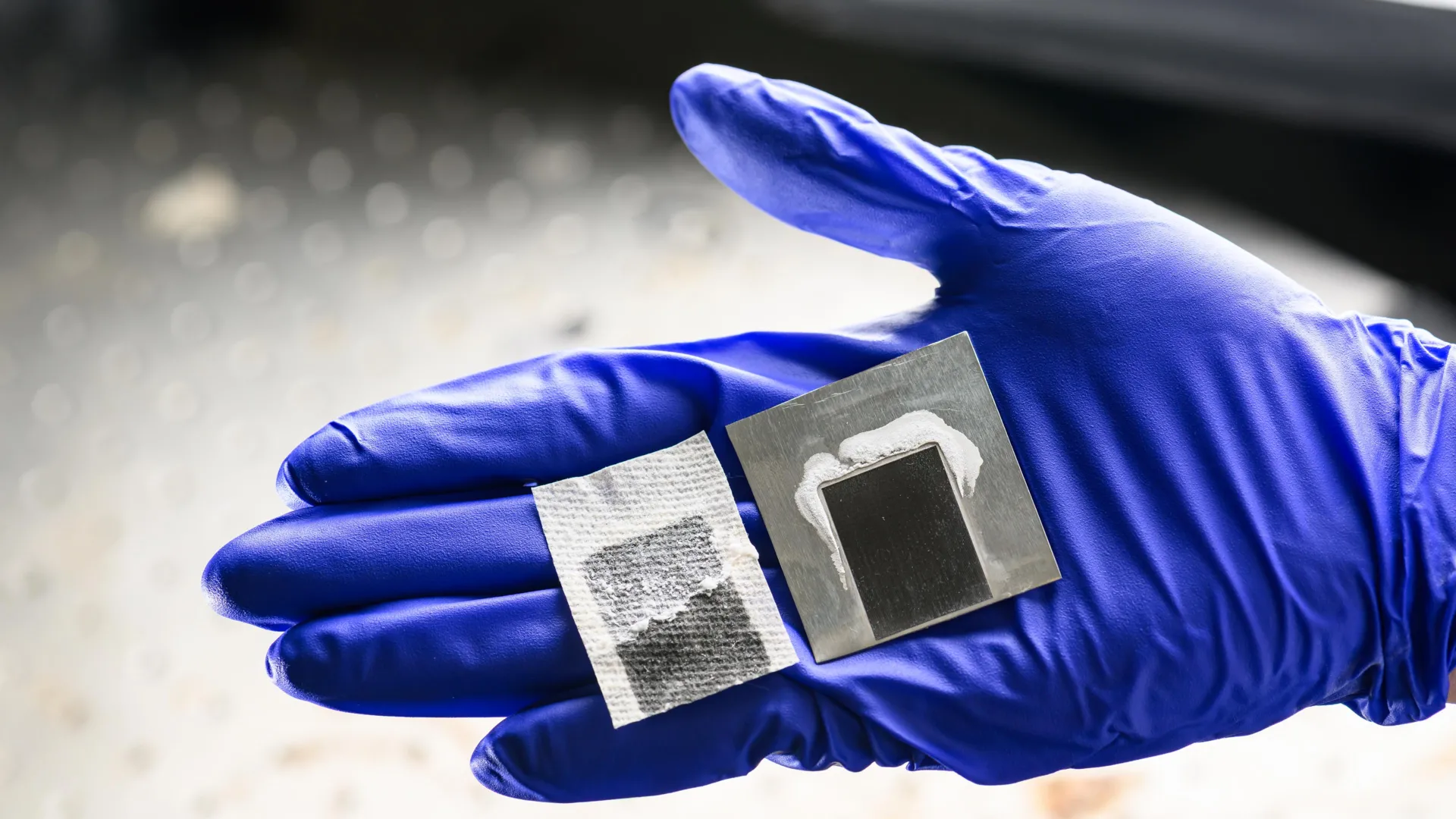
Researchers at the University of Rochester recently unveiled an innovative solar-powered desalination system that could change the game. This breakthrough technology produces fresh water efficiently without chemical pretreatment. It also eliminates the creation of toxic brine waste. By harnessing specially engineered solar panels treated with femtosecond lasers, the system efficiently absorbs sunlight while simultaneously drawing in seawater. As sunlight heats the water, it evaporates, transforming into fresh water. Meanwhile, salts and other minerals move away from the evaporation zone, avoiding interference with the continuous operation of the system.
A Sustainable Solution for Water and Mineral Recovery
The process incorporates clever design elements that prevent clogging from mineral buildup. The researchers implemented microscopic grooves on the panel’s surface to guide salts away from the active area. This design mimics the coffee ring effect, where particles concentrate at the outer edge as the liquid evaporates. As the team tested the technology using seawater samples from various oceans, they saw remarkable results. This system continually produced fresh water while pushing salts to a separate, passive region.
Most importantly, this desalination method does not create waste; instead, it recovers dissolved salts as solid materials. This transformation opens the door to valuable resource extraction. Beyond producing table salt, the system could also harvest minerals such as lithium, crucial for electric vehicle batteries and consumer electronics. Existing mining practices for lithium often create environmental challenges. By extracting lithium from seawater, this technology offers a cleaner, more efficient alternative.
While the current prototypes demonstrate the system’s potential, researchers believe it can be scaled up. Successfully expanding this technology could greatly enhance access to clean drinking water. It also promises a more sustainable approach to sourcing critical minerals. This breakthrough may provide answers to urgent water and mineral challenges, creating a more hopeful future for many communities around the globe.
Continue Your Tech Journey
Learn how the Internet of Things (IoT) is transforming everyday life.
Discover archived knowledge and digital history on the Internet Archive.
TechV1
