
Close Menu
    Facebook X (Twitter) Instagram
    Sunday, June 7
    Top Stories:
    • ByteDance’s AI Research Leader Departs Amid Monetization Push
    • Top 5 Worst Foods to Avoid for High Cholesterol
    • Ozempic and Weight-Loss Drugs May Slash Breast Cancer Risk by 30%
    Facebook X (Twitter) Instagram Pinterest Vimeo
    IO Tribune
    • Home
    • AI
    • Tech
      • Gadgets
      • Fashion Tech
    • Crypto
    • Smart Cities
      • IOT
    • Science
      • Space
      • Quantum
    • OPED
    IO Tribune
    Home » Solar System Might Have Lost Two Planets
    Quantum

    Solar System Might Have Lost Two Planets

    Staff ReporterBy Staff ReporterJune 7, 2026No Comments2 Mins Read
    Share Facebook Twitter Pinterest LinkedIn Tumblr Reddit Telegram Email
    Share
    Facebook Twitter LinkedIn Pinterest Email

    Quick Takeaways

    1. The new research challenges the Nice model’s explanation of early Solar System instability.
    2. Simulations show Uranus’s moons likely experienced collisions and chaotic orbital shifts.
    3. Findings imply the Solar System’s current order may be a rare or collision-heavy outcome.
    4. Future studies needed to explore the impact of early planetary encounters on system evolution.

    The Hidden Past of Our Solar System

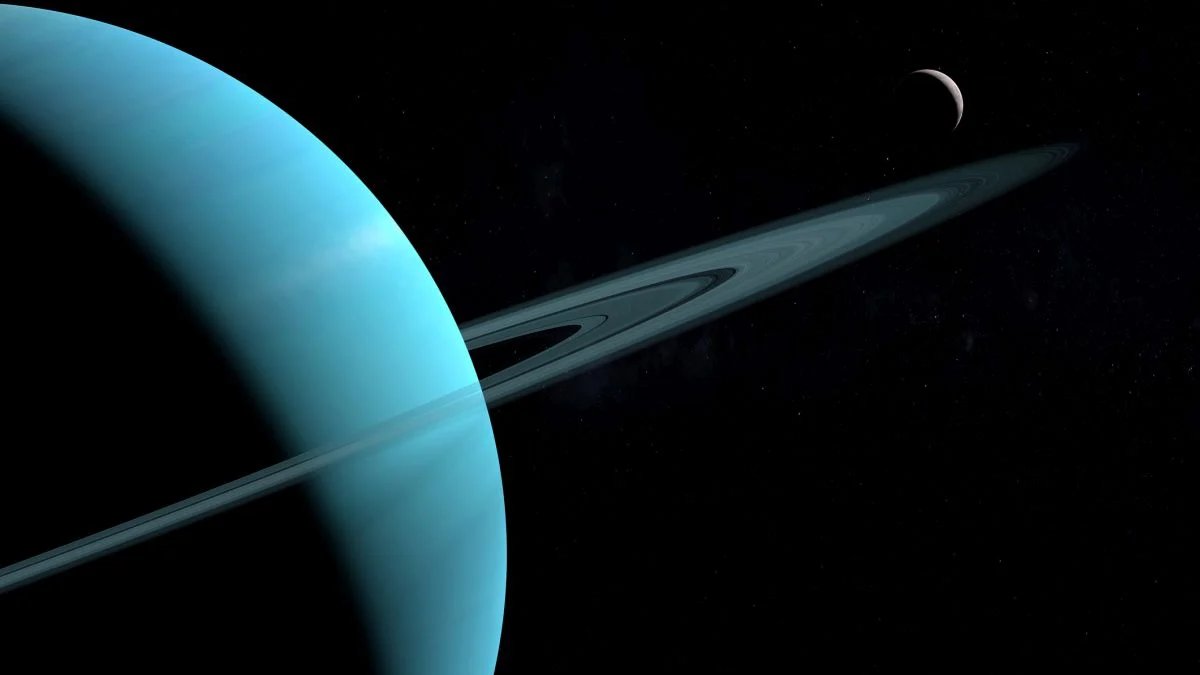
    The Solar System is often seen as a stable, predictable place. The planets orbit the Sun in neat rows, making patterns we observe every night. But recent studies suggest it might have had a chaotic beginning. According to the popular Nice model, our Solar System may have started with four ice giants instead of just two, Uranus and Neptune. These extra planets could have been ejected billions of years ago. Now, new simulations cast doubt on this idea. They show that if these extra planets existed, they would have caused intense disturbances. Uranus’s moons, in particular, would likely have experienced collisions or ejections. Yet, today, Uranus’s moons appear relatively stable and undisturbed. This mismatch hints that our current understanding of how the Solar System evolved may be incomplete. It raises possibilities that either the history was more violent than we thought or that the models need adjusting.

    Implications for Our Understanding of Solar History

    The research suggests three main ideas. First, Uranus’s moons could have been heavily disrupted during early chaos, with collisions or orbital shifts. Second, the Nice model might need revision, as the simulations show it doesn’t fit well with moon stability. Third, the Solar System’s evolution could have been more unlikely and complicated than previously believed, with minimal deep encounters affecting Uranus’s moons. The findings imply our early Solar System was messier and more violent than the peaceful view we often have today. This new perspective encourages scientists to explore other scenarios and refine existing models. It shows how ongoing research constantly updates our understanding of the universe’s history.

    Continue Your Tech Journey

    Stay informed on the revolutionary breakthroughs in Quantum Computing research.

    Access comprehensive resources on technology by visiting Wikipedia.

    QuantumV1

    HPC MSFT Content Quantum VT1
    Share. Facebook Twitter Pinterest LinkedIn Tumblr Email
    Previous ArticleVodafone and Geely Expand Vehicle Innovation Partnership
    Next Article Fine-Tuning SLMs for Emotion Detection
    Avatar photo
    Staff Reporter
    • Website

    John Marcelli is a staff writer for IO Tribune, with a passion for exploring and writing about the ever-evolving world of technology. From emerging trends to in-depth reviews of the latest gadgets, John stays at the forefront of innovation, delivering engaging content that informs and inspires readers. When he's not writing, he enjoys experimenting with new tech tools and diving into the digital landscape.

    Related Posts

    Crypto

    Ripple ETFs Shine Amid XRP’s 19-Month Low

    June 7, 2026
    Space

    Crafting the Multiverse: The Visual Magic of ‘Spider-Noir’

    June 7, 2026
    AI

    Fine-Tuning SLMs for Emotion Detection

    June 7, 2026
    Add A Comment

    Comments are closed.

    Must Read

    Ripple ETFs Shine Amid XRP’s 19-Month Low

    June 7, 2026

    Crafting the Multiverse: The Visual Magic of ‘Spider-Noir’

    June 7, 2026

    Behind the Scenes of Gaming: Unveiling the Difference Between Player Perception and Reality

    June 7, 2026

    Fine-Tuning SLMs for Emotion Detection

    June 7, 2026

    Solar System Might Have Lost Two Planets

    June 7, 2026
    Categories
    • AI
    • Crypto
    • Fashion Tech
    • Gadgets
    • IOT
    • OPED
    • Quantum
    • Science
    • Smart Cities
    • Space
    • Tech
    • Technology
    Most Popular

    Xbox PC App: Unifying Your Game Libraries Soon!

    June 23, 2025

    Openvibe: Your News and Social Hub in One App!

    August 8, 2025

    Zurich Tops the IMD Smart City Index Again

    April 1, 2026
    Our Picks

    New Horizons: NASA Kennedy Center Director Set to Retire

    May 3, 2026

    CZ Slams Safe Wallet’s Bybit Hack Analysis

    February 28, 2025

    Single or Multi-Agent: When to Scale Up?

    May 4, 2026
    Categories
    • AI
    • Crypto
    • Fashion Tech
    • Gadgets
    • IOT
    • OPED
    • Quantum
    • Science
    • Smart Cities
    • Space
    • Tech
    • Technology
    • Privacy Policy
    • Disclaimer
    • Terms and Conditions
    • About Us
    • Contact us
    Copyright © 2025 Iotribune.comAll Rights Reserved.

    Type above and press Enter to search. Press Esc to cancel.